

At eight years old, Pawan, who lives with his mother in the village of Dhanwalt, in Ramnagar, India, should have been focused on school, friends and play. Instead, his world was slowly fading from view.
Pawan began struggling to read the blackboard, follow along in class and even recognize familiar faces. As his sight worsened, he withdrew from school and lost interest in playing with his friends.
His mother, who works long days to support him, could see how much he was losing, but the cost of treatment felt out of reach. Even so, she never gave up hope for her son’s future.
That began to change when Community Health Volunteers from KLSM Rotary Eye Hospital visited Pawan’s village and screened his eyes. He was referred to the vision centre, where a comprehensive exam confirmed a cataract in his right eye. From there, the team arranged care at KLSM Rotary Eye Hospital in Udhampur, where Pawan received cataract surgery at no cost. Before long, he was seeing clearly again.
Soon, he was more confident, happier and became interested in school again. He returned to learning, playing and dreaming about his future. Due to support from donors, Pawan and his mother were given something priceless: relief, hope and the chance for a brighter future.
For a child like Pawan, clear sight can change everything. Recent research shared in the IAPB Vision Atlas found that children with poor vision learn half as much as those with clear sight.
In 2025, Operation Eyesight screened 393,113 children through community and school eye health programs.
A monthly gift can help more children like Pawan stay engaged at school and look ahead with confidence: $20 a month can provide 12 pairs of eyeglasses a year, and $75 a month can provide 12 cataract surgeries. It is a simple, reliable way to bring life-changing eye health care within reach. Give the gift of sight to a child today.
Based on an interview with Caroline Ikumu, Country Director, Kenya
In Kenya, change often starts with women helping women. This is particularly true in Maasai communities where many families live in wide, dry landscapes and move with their livestock across vast distances. For those in need, distance, transport costs and the demands of daily life can make eye care hard to reach.
That is why Operation Eyesight focuses on both treatment and trust. Care needs to feel close, familiar and possible. “We want to ensure that no one is left behind,” says Caroline Ikumu. “Our programs are embedded in existing government structures, helping make the work sustainable.”
For Caroline, some of the greatest change has come through community health promoters. In many villages, women trained through Operation Eyesight’s programs have become trusted leaders. “It gives the women so much status,” she says.
One woman, once blind from cataract, had surgery and then helped other women in her village get to the hospital. “When they can see, they feel like it is magic,” Caroline says.
Caroline also remembers the gratitude of Maasai mothers whose children regained sight. One mother offered a leso, a traditional cloth. Another shared beadwork. These were not small gestures, but deeply meaningful expressions of dignity, trust and joy. “You cannot refuse, they are giving with a pure heart,” Caroline says.
This is what equitable care can look like in real life: women supporting women, trust growing within the community and local services becoming stronger over time. Just as importantly, county leaders are increasingly taking ownership of this work. In some places, local officials now attend community declarations, provide transport support and help carry eye health forward through county plans and budgets.
That kind of partnership helps services last beyond a single project, ensuring long term resilience and continued community led ownership locally.
Caroline relishes this larger change and what it brings to peoples’ lives. "We restore not only sight, but also hope for the future," she says.
Help restore sight and build stronger communities. Your gift can help train community health promoters, connect families with eye care and strengthen local health systems so that no one is left behind. Donate today to help more women, children and families access the eye care they need and the hope they deserve.
Driven by a wealth of community-based data, we are contributing to a global body of health research and informing national eye health policies.
In 2024, we launched two research initiatives to identify learnings and to share our findings. In partnership with the Pragyaan Sustainable Health Outcomes (PRASHO) Foundation we started an evaluation of the survey tools that we use and an assessment of our Avoidable Blindness-Free methodology and its effectiveness. We look forward to sharing our findings with you!
Award-winning presentations at VISION 2020: The Right to Sight – India conference
Our team contributed four presentations to the VISION 2020 The Right to Sight – India conference, which brought together organizations, hospitals, research institutes and others to gain a deeper understanding of the challenges and opportunities across the eye health field. We submitted four presentations.
Senior Programme Manager Tapobrat Bhuyan and Programme Manager Emmanuel Benia Tanti presented. Programme Manager Aditya Sharma (left) brought home the award for Best Paper for Oral Presentation. Operation Eyesight was also honoured with an award as a founding member for its contributions to VISION 2020.
Recognized nationally and globally Our poster focusing on our donor-centric approach won second spot for Best Poster at The Right to Sight – India conference.
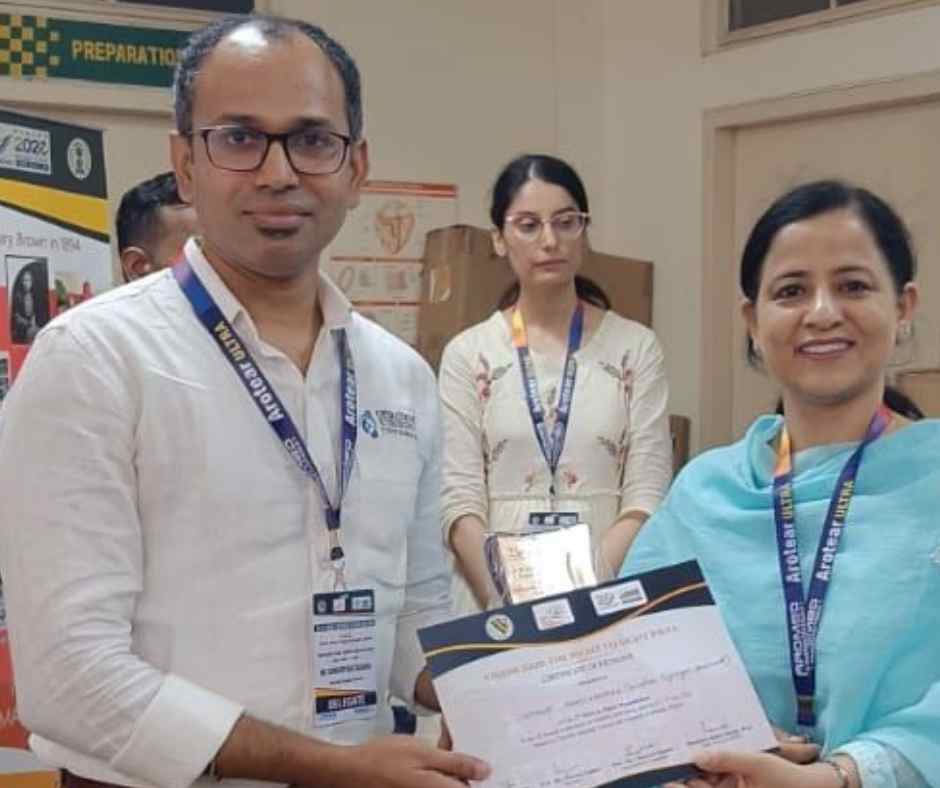
Above, our Head of Resource Mobilization Subhadip Bhattacharya (left) accepts the award. The poster was also selected to be featured at the 2024 IN SIGHT LIVE event organized by IAPB in Mexico City.
Did you know? We share our evidence-based learnings at international, national and state conferences and meetings to inform policies that support universal eye health care for all, particularly in remote and rural areas, which are underserved.
Learn more about our research and advocacy work here.
Heeralal, 45, was a resident of a village near the Community Heath Centre (CHC) Niwas in Singrauli district in India. Passionate about health care, he joined the government as a multipurpose health worker (MPW) to serve people in remote and underserved areas.
In 2010, Heeralal became a para medical ophthalmic assistant (PMOA) after the Government of Madhya Pradesh called for MPWs to undergo PMOA training. He conducted regular eye exams at CHC Niwas but was disheartened by having only two or three patients a day. He took part in school screenings and cataract camps as awareness grew.
In 2022, Heeralal saw a turning point when we launched our Integrated People-Centred Eye Care project in Singrauli. CHCs were upgraded to vision centres, equipped with slit lamps and essential ophthalmic tools. PMOAs received refresher training for comprehensive eye examinations to build eye care capacity. A series of targeted interventions rolled out. We trained community health officers, accredited social health activists (ASHAs) and community health volunteers (CHVs). Screening camps were organized with a mobile vision van to boost awareness. With support from ASHAs and CHVs, Heeralal soon saw 12 to 15 patients daily.
Today, Heeralal feels more inspired than ever by the transformation in rural healthcare. His motivation grows with every person whose sight is restored.
Did you know? Integrating eye care into universal health care is one of the five recommendations of the World Health Organization 2019 World Report on Vision.
Learn more about our work in India here.
Learn why we're working to integrate eye health care into primary health care here.
Seventy-year-old Debeswari, from Golaghat District, Assam, India once led an active life, walking to her nearby village to visit. When cataracts clouded her vision, her world shrank to the four walls of her home.
Once cheerful and independent, she became totally dependent on her family. Financial struggles and fear of surgery kept her from seeking treatment. She felt isolated, helpless and like a burden to her loved ones.
One day, an Operation Eyesight-trained community health volunteer named Daiboki visited Debeswari’s home. Together, they worked through her eyesight issues and her fears. Later, a team from our partner, Chandraprabha Eye Hospital, visited Debeswari and explained cataract surgery. Reassured, she accepted treatment and was transported to hospital that very day.
Now, Debeswari again walks independently to her nearby village – a freedom she hadn’t enjoyed in years. In having her vision restored, she has also recovered her dignity and joy.
Did you know?
Globally, 100 million people have cataracts, the leading cause of blindness. In India, cataract causes 66 per cent of blindness, 81 per cent of severe vision loss, 70 per cent of moderate vision loss and 24 per cent of mild vision loss according to the IAPB Vision Atlas. Cataract surgery is one of the most cost-effective treatments at approximately $75 CAD (surgery and associated costs such as travel).
Learn how you can support cataract surgeries here.
Sriramappa, from Karnataka, India, was living with vision loss from cataracts. This left him dependent on his family for his daily needs, and he could no longer support them by grazing his cows and goats. When his wife passed away from an illness, and he lived in darkness, mentally and physically, for three years.
His hope returned when a community health worker visited his home. Sriramappa took part in eye screening and was diagnosed with cataracts. Referred to our partner, Netradeep Eye Hospital (Globe Eye Foundation), Sririmappa accessed sight-restoring surgery free of charge.
Sriramappa expressed his gratitude to our donors. He is now enjoying life’s simple pleasures, especially roaming the forest with his animals, which helps to support his family.
Did you know?
There is a strong correlation between vision loss and age. People who are 50 years of age and older experience 73 per cent of all vision loss according to the IAPB Vision Atlas (2025). This puts people at risk of poverty, dependence and reduced health and well-being. At times, beliefs that vision loss is inevitable or that older people are not worthy of treatment can be barriers to overcome.
Fortunately, 90 per cent of all vision loss is avoidable. This means it can be prevented or treated. Of all the treatments, cataract surgery is one of the most cost-effective solutions. It costs approximately $75 CAD for one cataract surgery and associated cost, such as travel.
Learn how you can support sight-saving work here.
On October 9, we marked World Sight Day 2025 with the call to Love Your Eyes, joining the global campaign initiated by IAPB, alongside hundreds of other organizations around the world.
Across 10 countries and three continents, our teams and partners worked tirelessly to raise awareness, advocate for eye health and provide screenings to thousands of people.
Our global impact with our partners saw us:
Below are highlights of our World Sight Day achievements from around the world.
Ethiopia: A school eye health initiative resulted in screenings of 1,200 students at Lideta Primary and Middle School in Bahir Dar City. The event linked eye health with WASH (water, sanitation and hygiene) education and provided free prescription eyeglasses to students in need.
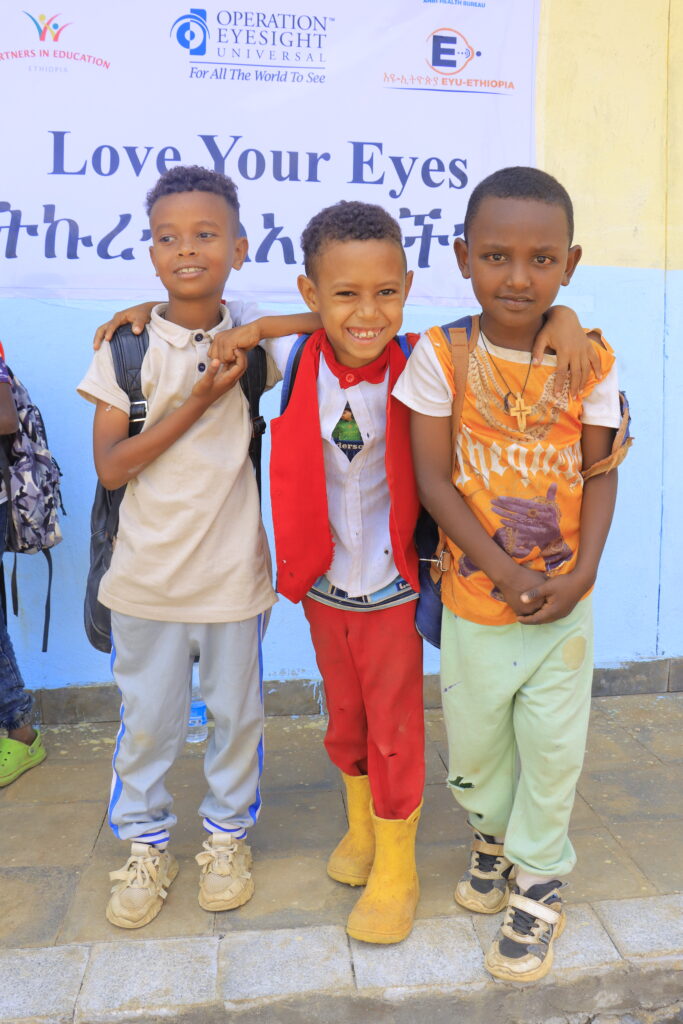
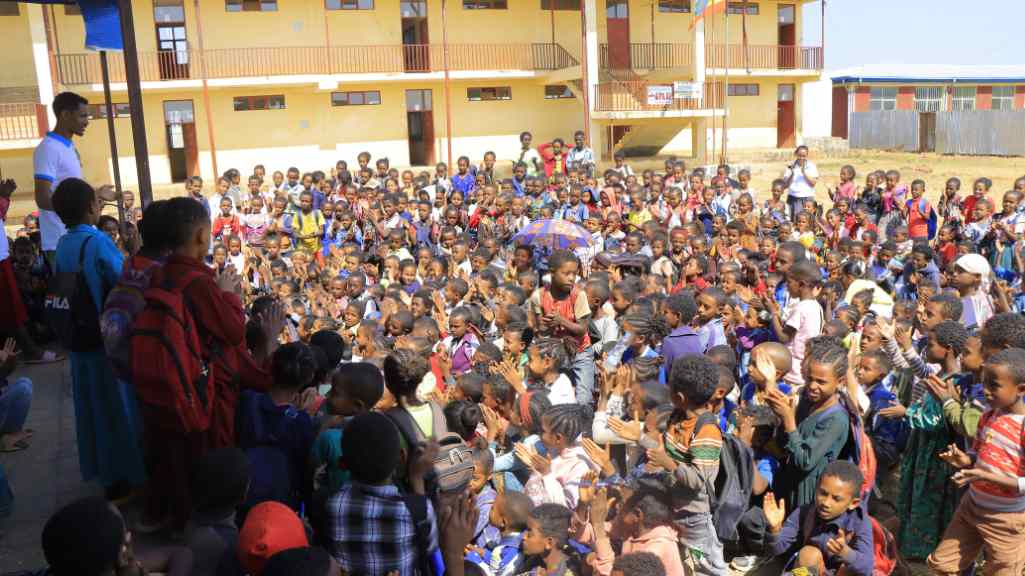
Community members in Ethiopia shared learnings that highlighted the importance of raising awareness of eye health in schools for both teachers and students.
I used to think some students were lazy when they struggled to read. Now I realize many have vision problems. This opened my eyes – literally and figuratively.”
- teacher in Ethiopia after a school eye health screening for World Sight Day 2025
A grade six student said, “I heard about trachoma only a month ago after joining our health club. Before this, most of us didn’t even know such eye problems existed.” The World Health Organization (WHO) lists trachoma as the world’s leading infectious cause of blindness and one of 21 neglected tropical diseases (NTDs) that affect over one billion of the world’s lowest income people. As of April 2025, the WHO Weekly epidemiological record reported that Ethiopia accounted for 64 per cent of the global burden of trachoma, with 66 million people at risk. It can be prevented with access to clean water and hygiene education and treated with antibiotics. (Learn more about our trachoma treatment and prevention projects here.)
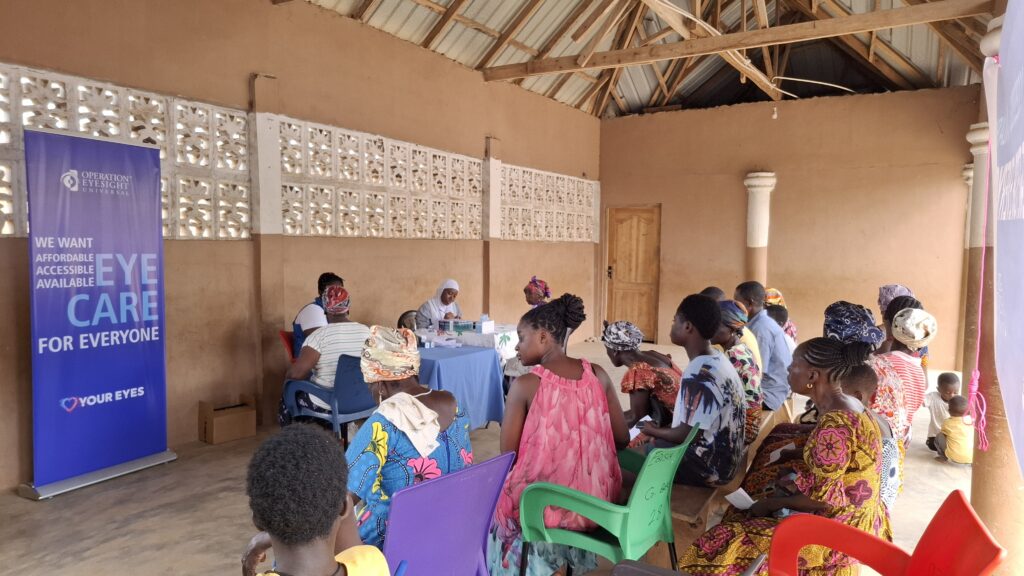
Ghana: Our Ghana team supported Ghana Health Service in a press event to share the importance of eye health and the significance of World Sight Day. Alongside partners Watborg Eye Services, Gbawe Municipal Hospital and Swedru Government Hospital, community eye screenings and eye health awareness activities took place. In all, 876 people had their eyes screened.
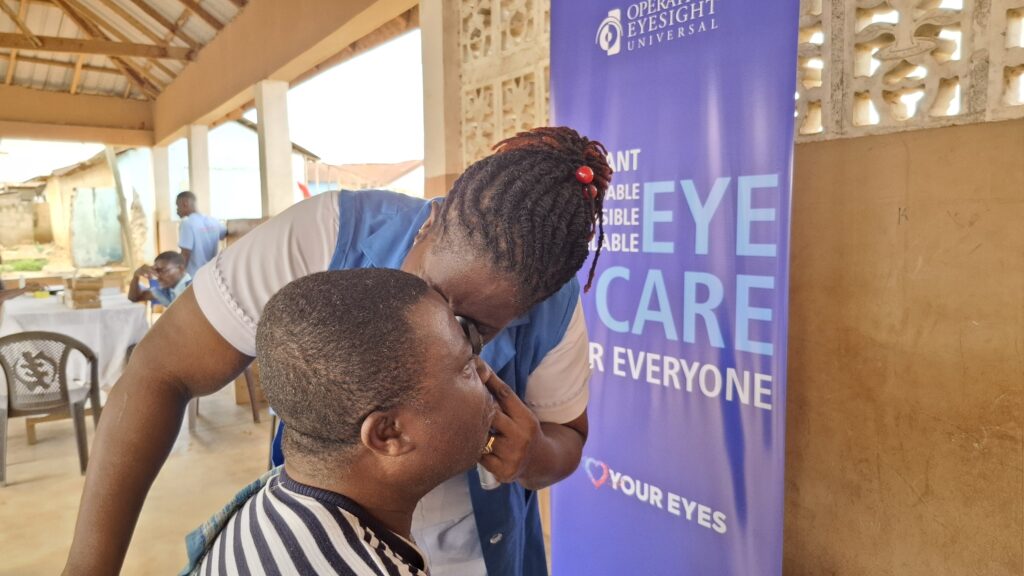
Kenya: Our Kenya team conducted advocacy for eye health by attending 12 meetings and working with partners to educate decision-makers at the national, regional and community levels about the need for eye health care and public education. This included working with the National Ministry of Health Eye Health Section to conduct eye screenings for Nairobi County Assembly members, to educate and advocate for the need to prioritize eye health in resource allocation.
Our Kenya team also ran an eye health awareness campaign at the Kajiado County Assembly, where Members of the County Assembly and staff received eye screening and treatment for various eye conditions. This was conducted to educate decision-makers on the need to include eye health in policy formulation, budget planning, and public. As a result, the County Assembly reaffirmed its commitment to promoting the health and well-being of citizens through informed policies and strategic partnerships.
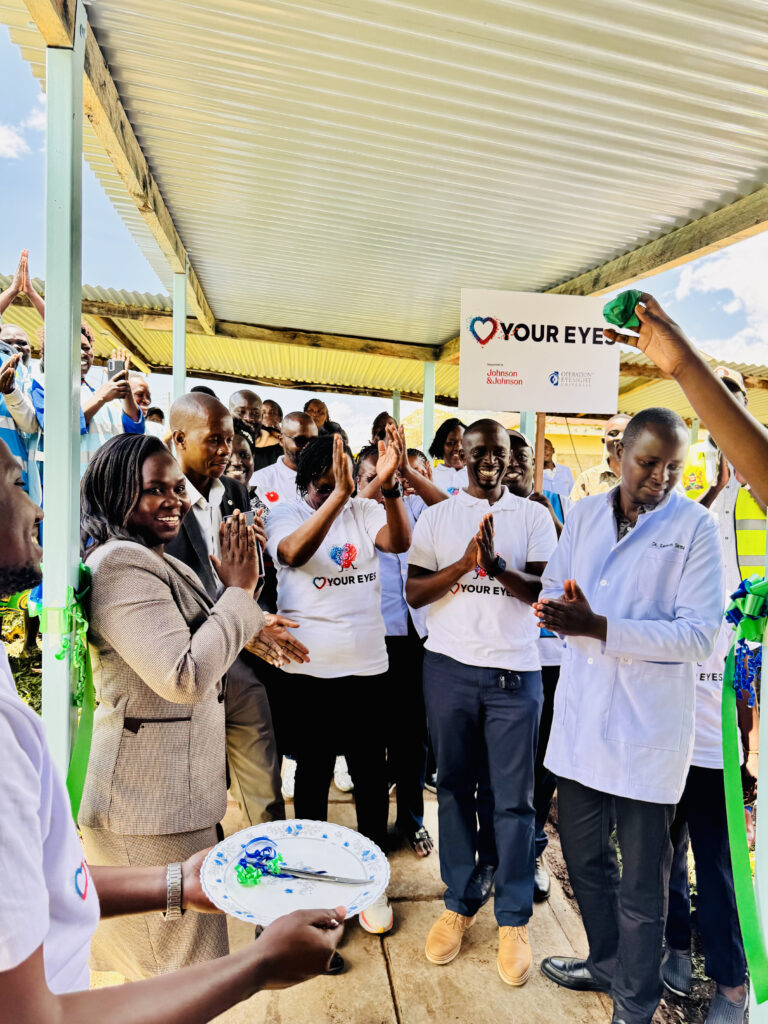
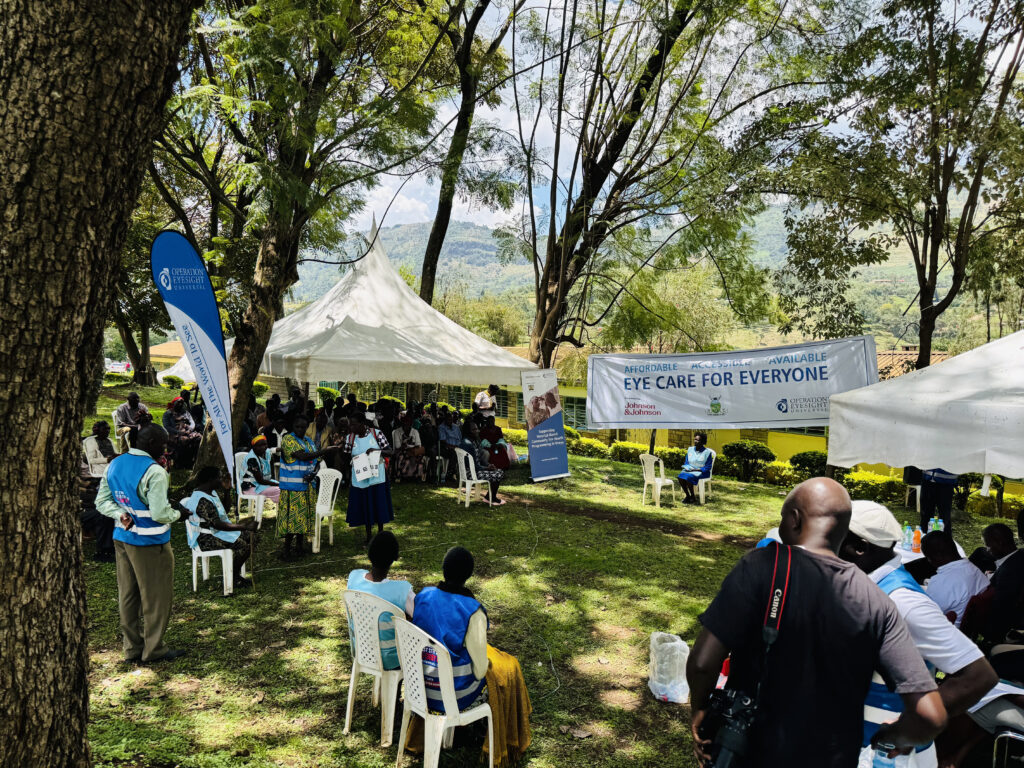
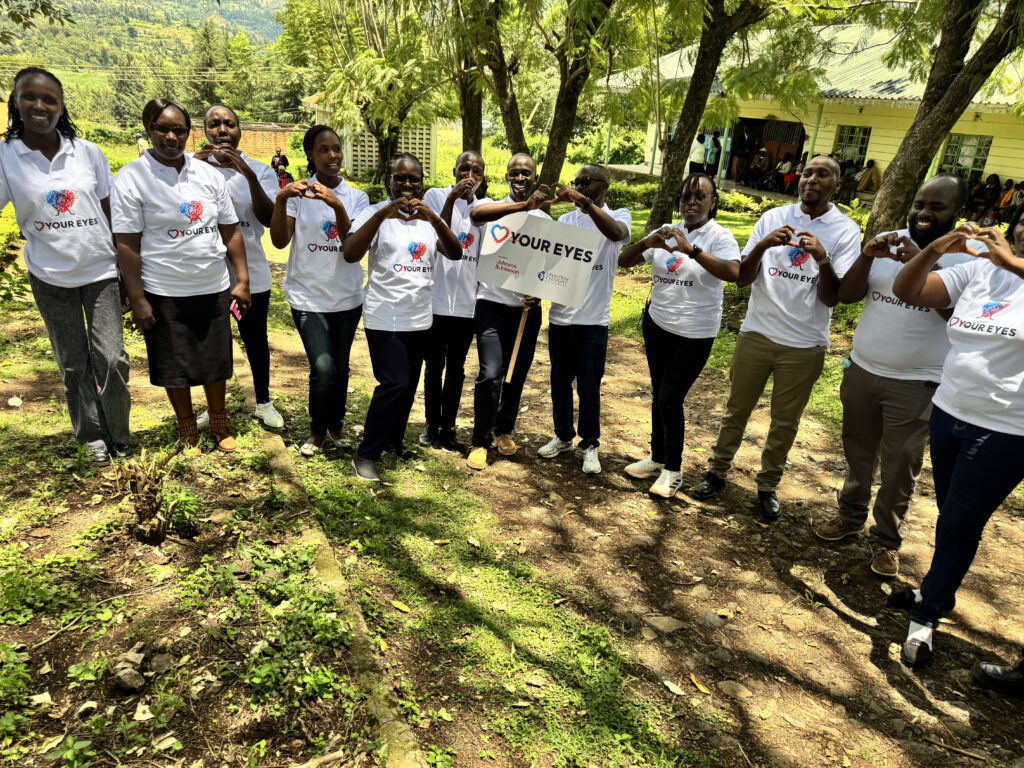
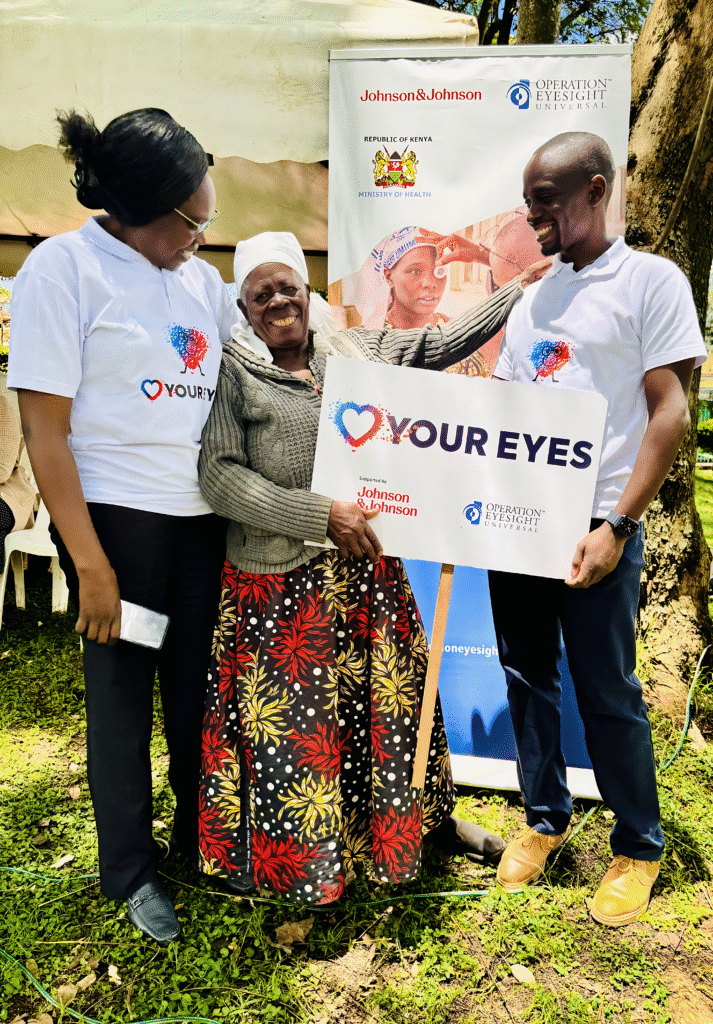
In Nandi County, in partnership with the County Government of Nandi and through the support of Johnson & Johnson, we officially launched a new eye clinic at Maraba Sub-County Hospital in Tinderet Sub County. The launch was presided over by Deputy County Commissioner Esther Oyugi and attended by senior county officials and community representatives. This marked a major milestone in improving access to primary eye care services. The new facility will provide screening, treatment and referral services, significantly enhancing Nandi County’s capacity to deliver comprehensive eye care and contributing to the elimination of avoidable blindness in the region.
Malawi: Our team in Malawi worked with partners to screen 16,701 people. This included screening students in nine schools and training 42 frontline workers.
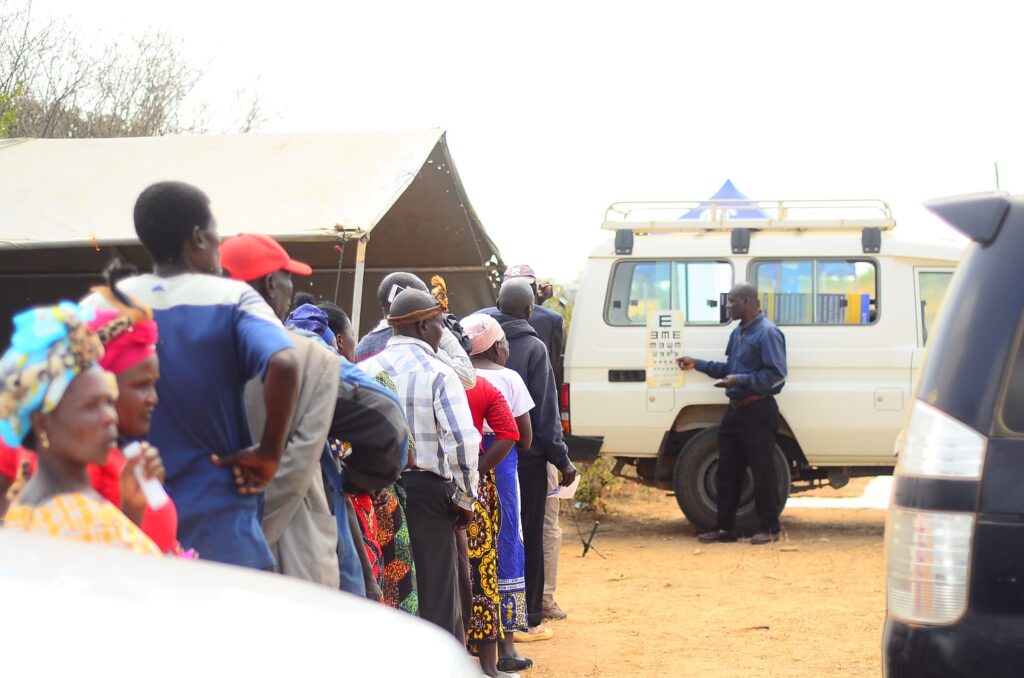
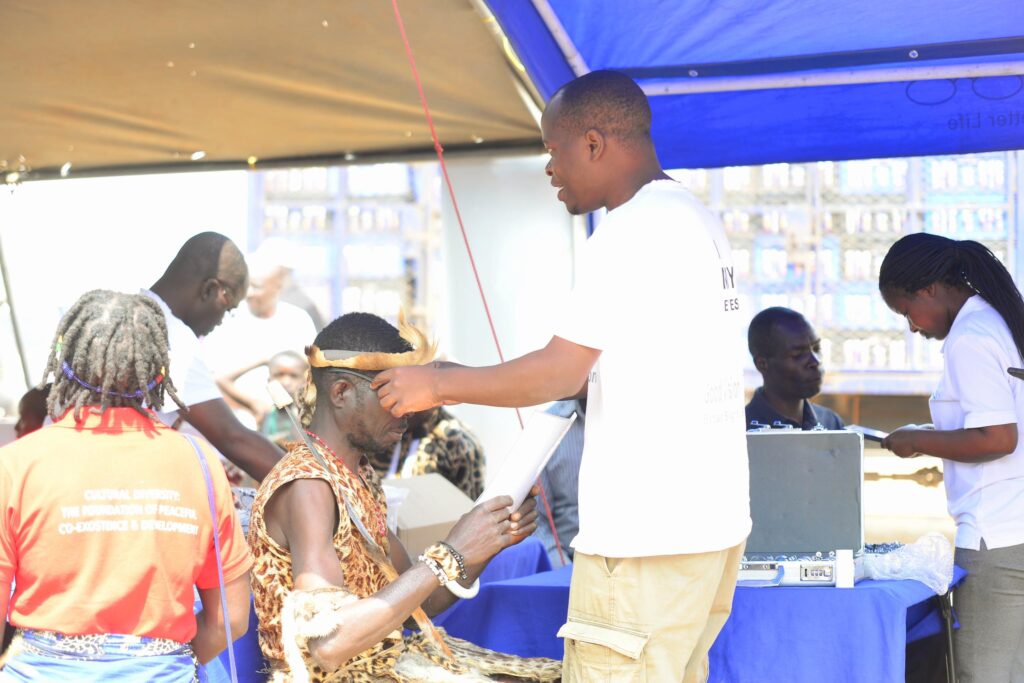
Zambia: Our Zambia team worked with partners to screen 20,087 people. Screenings were held at 20 schools, reaching 12,728 students. Of these, 886 students received prescription eyeglasses. In all, 79 people were booked for cataract surgeries.
We also advocated for eye health through meetings with the Parliamentary Sub-Committee on Health and hosted a radio call-in show to educate the public about eye health care and where they can seek help.
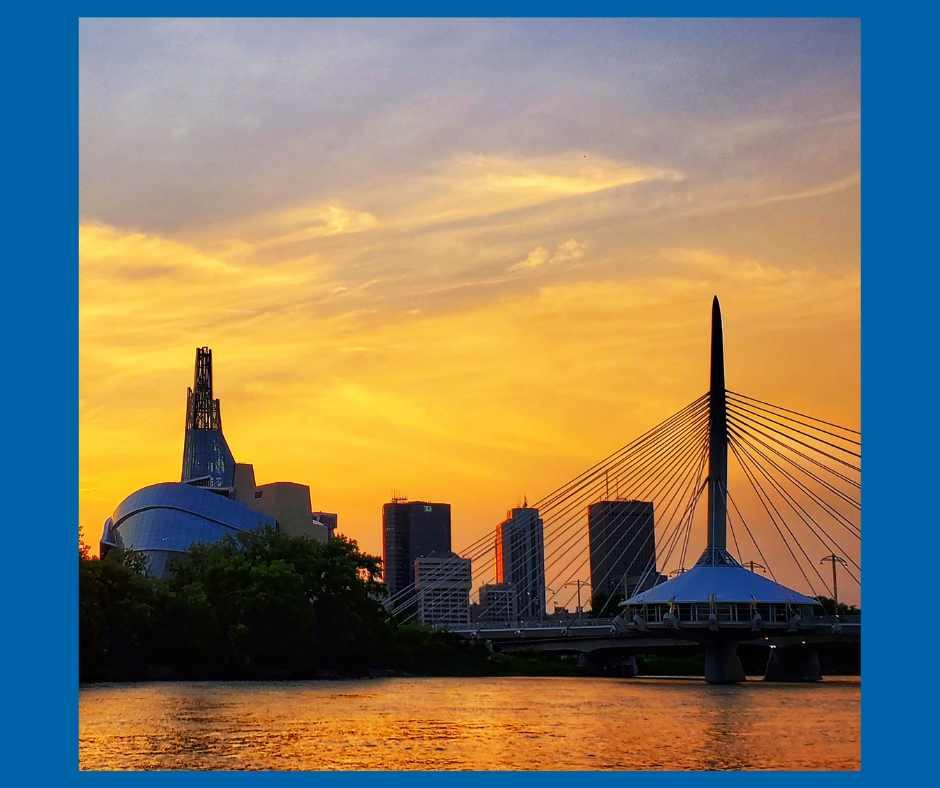
Canada: In Canada, we focused on advocacy for integrating eye health into universal health care. Events included a webinar, lighting events at the Calgary Tower, the Esplanade Riel Bridge in Winnipeg, Market Square in Guelph and the CN Tower in Toronto as well as news stories.

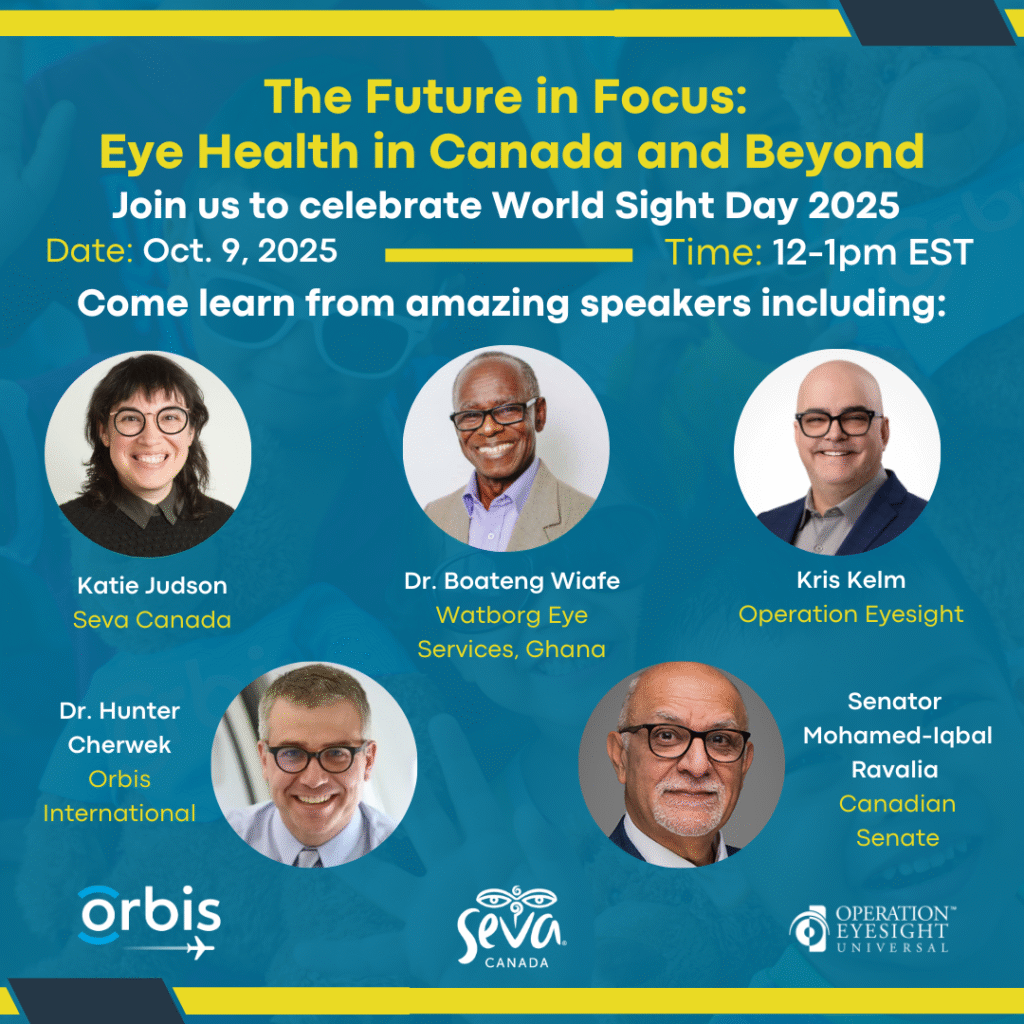
Kris Kelm, Global Director – International Programs and Chair of the Canadian Eye Health Coalition, featured in a dynamic webinar titled “The Future in Focus: Eye Health in Canada and Beyond”, with experts discussing the urgent need to prioritize and strategize for the growing demands of eye care across the life cycle. Speakers and topics included:
The importance of eye health care in Canada was highlighted in TV and radio news stories in Calgary and Ontario, in English and in French.
Bangladesh: Our partners in Bangladesh screened a total of 1,719 people, including 1,627 children, through screenings at 11 schools. Overall, 143 students and 40 community members received free prescription eyeglasses.
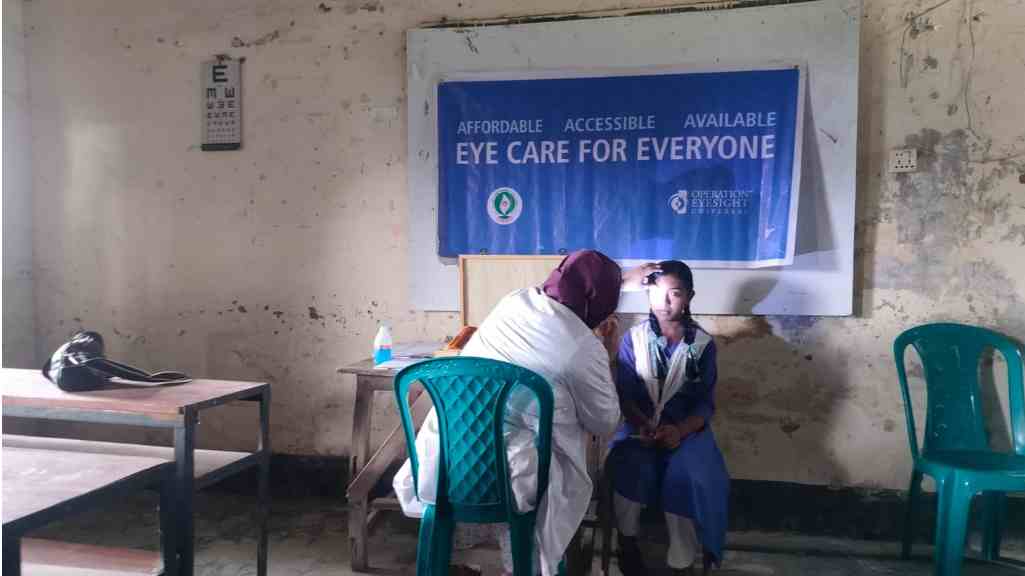
India: Our team and partners in India screened 17,715 people, including 12,709 children. Screenings were held across 39 schools with 519 students receiving free prescription eyeglasses.
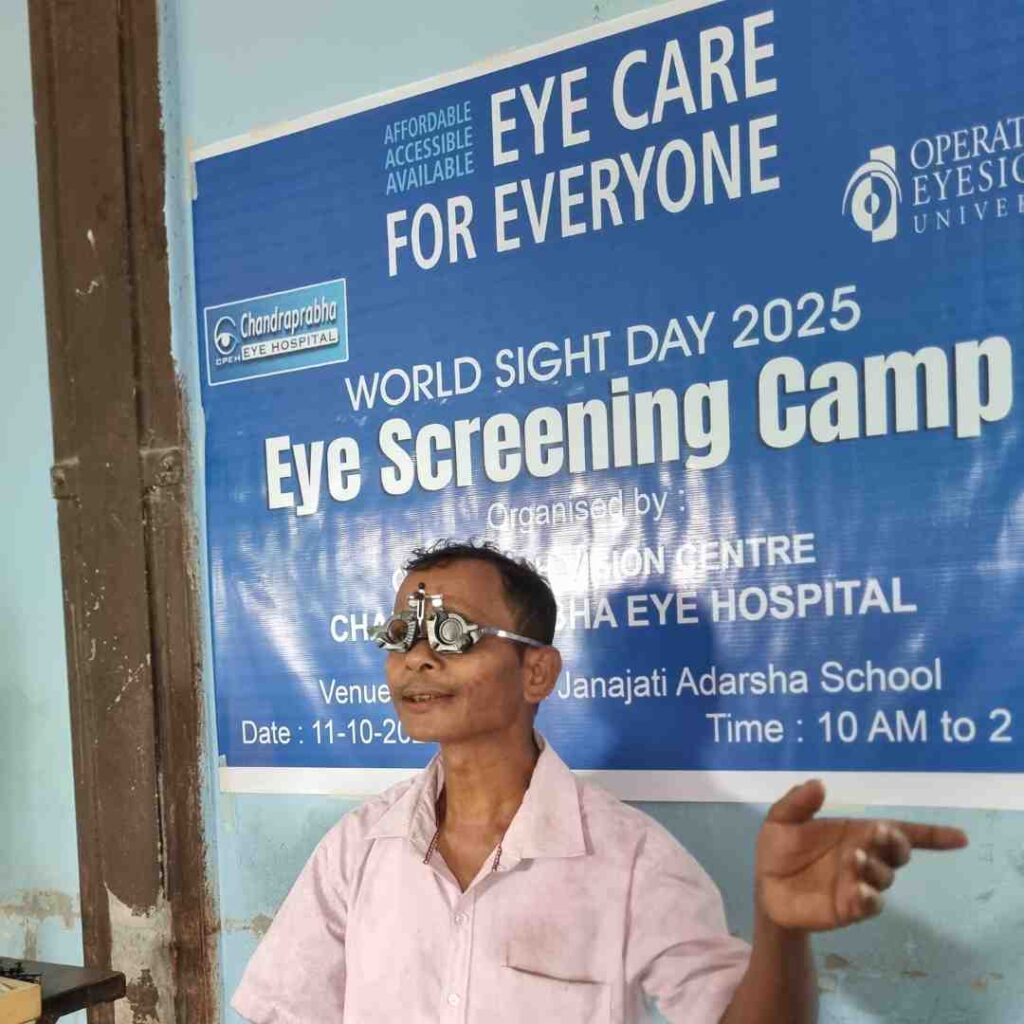
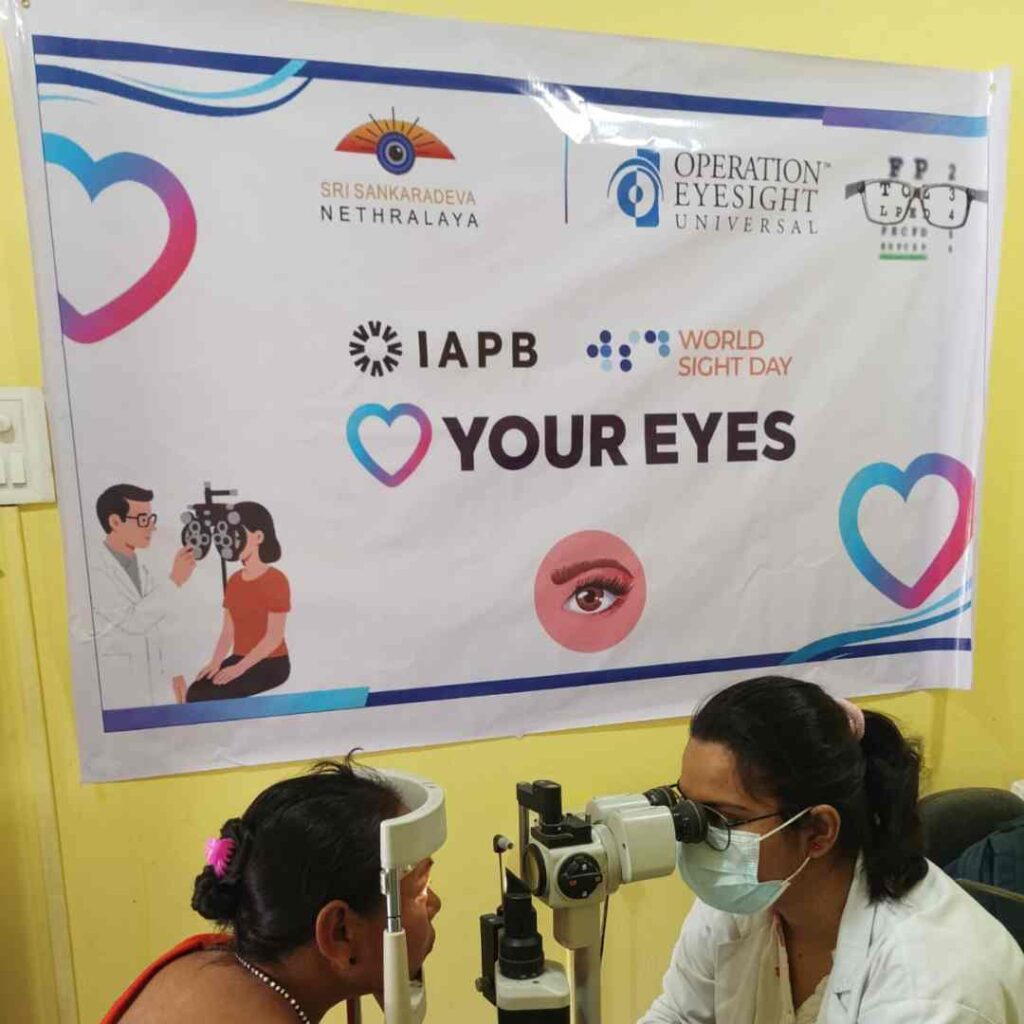
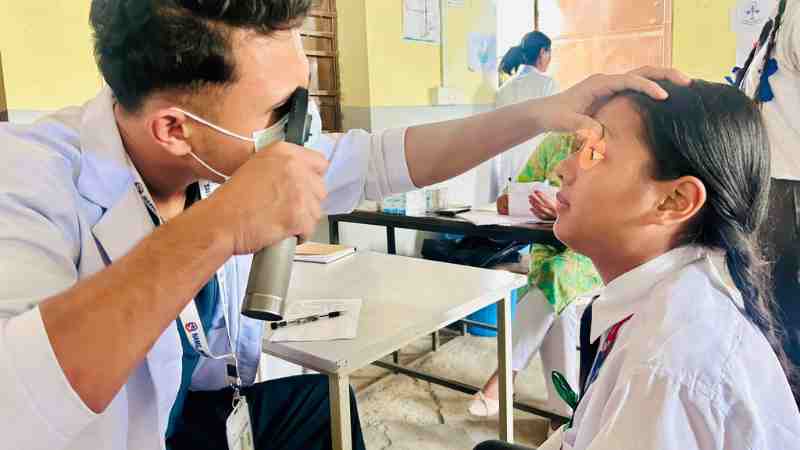
Nepal: In Nepal, our partners screened 710 people, including 440 children. One school screening took place, and 95 students received free prescription eyeglasses.
While World Sight Day is a time to focus the world’s attention on the importance of eye health care, every day is World Sight Day at Operation Eyesight. Our teams are always on the ground in 10 countries work daily alongside communities, governments, hospitals and like-minded organizations to bring quality eye health care to all – regardless of ability to pay, gender, age or where people live.
We have seen how addressing avoidable vision loss transforms lives – by improving access to education, employment, independence and opportunity – For All The World To See!
Thank you for your support, on World Sight Day and every day!
This World Sight Day, our colours are lighting up skylines in communities across Canada, from Calgary to Winnipeg and from Guelph to Toronto. We’ll be sharing photos on our website and social media, so everyone can see them.
If you live in Calgary, where we have been based for more than six decades, look up, way up, at the Calgary Tower after dark on October 9. To help raise awareness of the importance of eye health, the Calgary Tower will shine in Operation Eyesight’s blue and orange.


If you live in Toronto, you can see the CN Tower shining in blue and orange (and yellow, for another eye-related organization that is also marketing World Sight Day). Wherever you live in Canada, urban, rural or remote, you can view the CN Tower lighting through the Tower’s webcam here. Catch the light show at the top of every hour and at every half hour.
Guelph's Market Square lit up in blue and orange overnight on October 8 to 9.
The Winnipeg Esplanade Riel Bridge and city sign will be lit up on October 11 for World Sight Day as well as World Blindness Awareness month (October).
As of 2019, in Canada, 1.2 million people experience vision loss, which is 3.2 per cent of the population, and another estimated eight million people – 19 per cent – have eye conditions that could lead to blindness.
Avoidable vision loss can be prevented or treated when detected and addressed early. This is best done through regular eye exams; however, just 51 per cent of people in Canada are aware of how often to get an exam. Vision loss impacts people of all ages and touches all aspects of life including:
World Sight Day is in focus in Canada this year with the passing of the National Strategy for Eye Care Act in November 2024.
Kris Kelm, our Global Director – International Programs and Chair of the Canadian Eye Health Coalition, says, “Canada has made eye health a national priority with the passage of the National Strategy for Eye Care Act. We’re hard at work with like-minded organizations and communities, including Indigenous communities, to help shape the framework for an eye health care system that will serve all Canadians, from Inuvik to Iqaluit, and from Victoria to St. John’s – and every urban, rural and remote community in between. We are proud to bring more than 60 years of experience – earned building eye health care systems with partners in Africa and South Asia – to the table, and we feel that there is a lot for our Canadian policy to learn from international experience.”
Our President & CEO Kashinath Bhoosnurmath says, “Together, we can build an eye health care system in Canada that improves quality of life for us all, personally and for our family, friends, colleagues and neighbours. Together, we can eliminate avoidable vision loss in Canada to expand our collective opportunities – and be a shining inspiration for others.”
On September 23, 2025, the UN Friends of Vision, collaborating with the International Agency for the Prevention of Blindness (IAPB) which facilitates World Sight Day worldwide, presented the very first The Value of Vision: The Investment Case for Eye Health to the United Nations General Assembly in New York. The case will help inform international frameworks and lay a path for countries to build eye health care systems.
We will be sharing our activities on social media and our website. Learn more or donate in honour of World Sight Day at operationeyesight.com/worldsightday.
Happy World Sight Day! And thank you to our staff, donors and partners around the world for your steadfast dedication to our mission to prevent blindness and restore sight – For All The World To See!
Drive 10 hours north of Malawi’s capital city of Lilongwe and you’ll find yourself in Chitipa District, a hilly, agricultural region sandwiched into the tripoint border with Zambia and Tanzania. Until recently, the local hospital was over capacity and many people seeking eye health care were being referred to neighbouring hospitals, all between 100 to 350 kilometres away.
Now, thanks to the new Operation Eyesight Vision Centre at the Chitipa District Hospital, help is closer at hand. Working with our partner the Malawi Ministry of Health, we celebrated the official inauguration of the new vision centre on March 14.
The vision centre offers comprehensive eye exams and a variety of treatments, including cataract surgeries. The optical shop will also be able to manufacture and dispense eyeglasses to patients on the spot. The project was made possible through funding from the Estate of John and Gwendolen Margaret Crowe, from Vancouver, Canada.

Blessings Banda, our Program Manager in Malawi, says locals are relieved to have nearby treatment options. “Opening the vision centre will reduce travel and improve the quality of eye care services for patients,” he says. “This project excites me as the new centre is large enough to provide services to those in need.”
Kennedy Phiri, our Country Director for Zambia and Malawi, adds that the new vision centre will serve more than 256,000 people living in the district.
“Operation Eyesight is committed to supporting the government of Malawi to improve the delivery of quality eye care and reach out to communities in need,” Kennedy says. “This milestone today demonstrates that commitment and the great partnership that we have with the government.”
Learn more about our work in Malawi here. Donate today to bring critical eye health services to more communities.
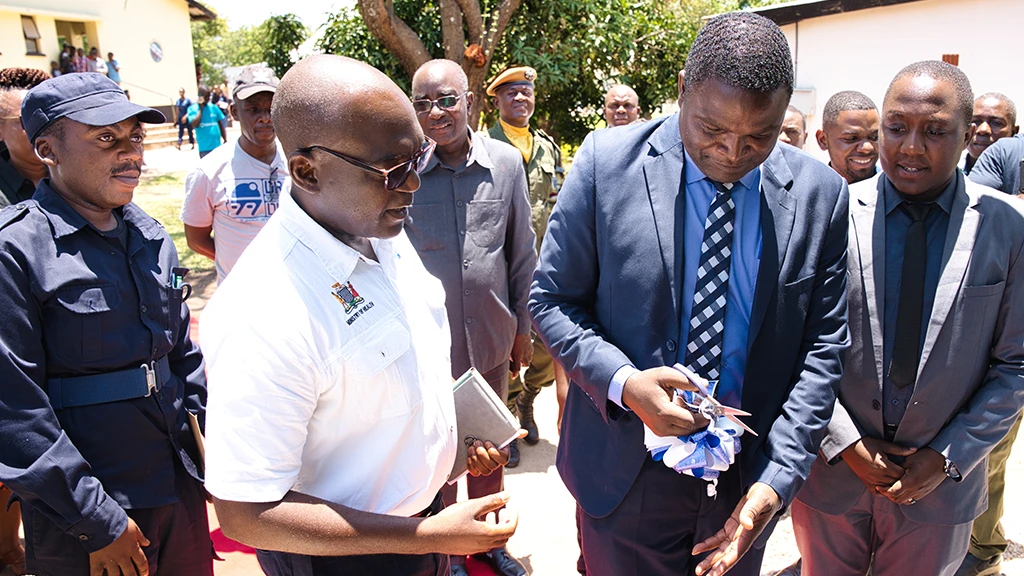
Eye health care is more accessible than ever for people in Zambia’s Chikankata District, thanks to the new eye clinic at the Kafue Gorge Hospital.
The clinic was inaugurated in December with music, dance and speeches. We supported the construction of the building and provided ophthalmic equipment and furnishings, all made possible by the generosity of donors like you.

Zambia Country Director Phiri Kennedy says, “This is a proud moment for Operation Eyesight. We will continue to support the government through this and many other interventions, to take services closer to the people and prevent avoidable vision loss. We urge the community in Kafue Gorge to fully utilize this service to prevent people from losing sight unnecessarily.”
The clinic now offers a variety of services, from comprehensive eye exams to surgical services and referrals.
The OneSight EssilorLuxottica Foundation, our longstanding partner, is supporting the project by equipping the optical shop to dispense eyeglasses.
Beyond the 16,000 people directly served by the clinic, there are another 15 health centres that refer patients to Kafue Gorge Hospital, meaning our investment in this new eye clinic will benefit thousands more people – and their families – in the surrounding districts.