How does Operation Eyesight help address the United Nations’ Millennium Development Goals through implementation of the SAFE strategy? (Read Part 1).
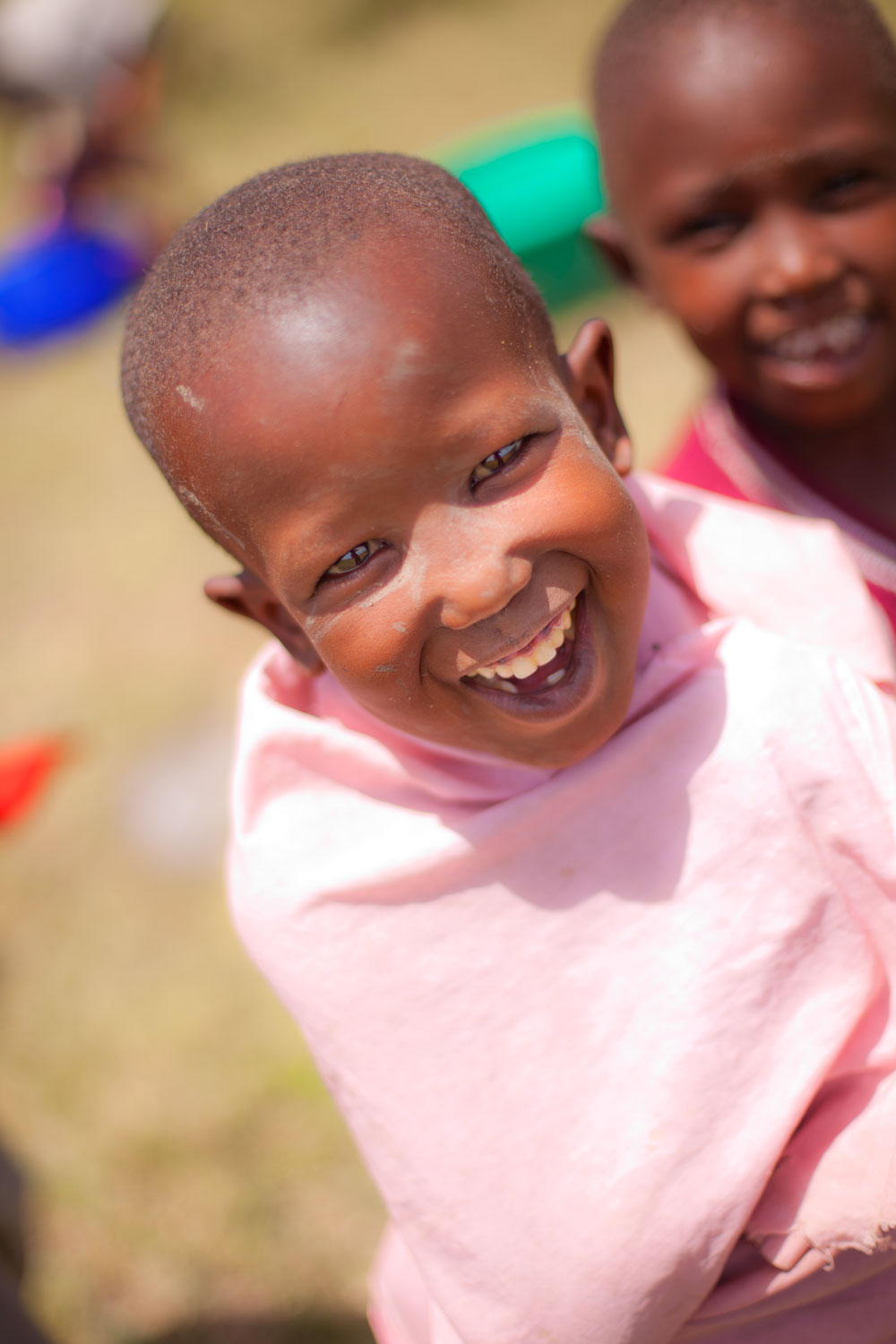
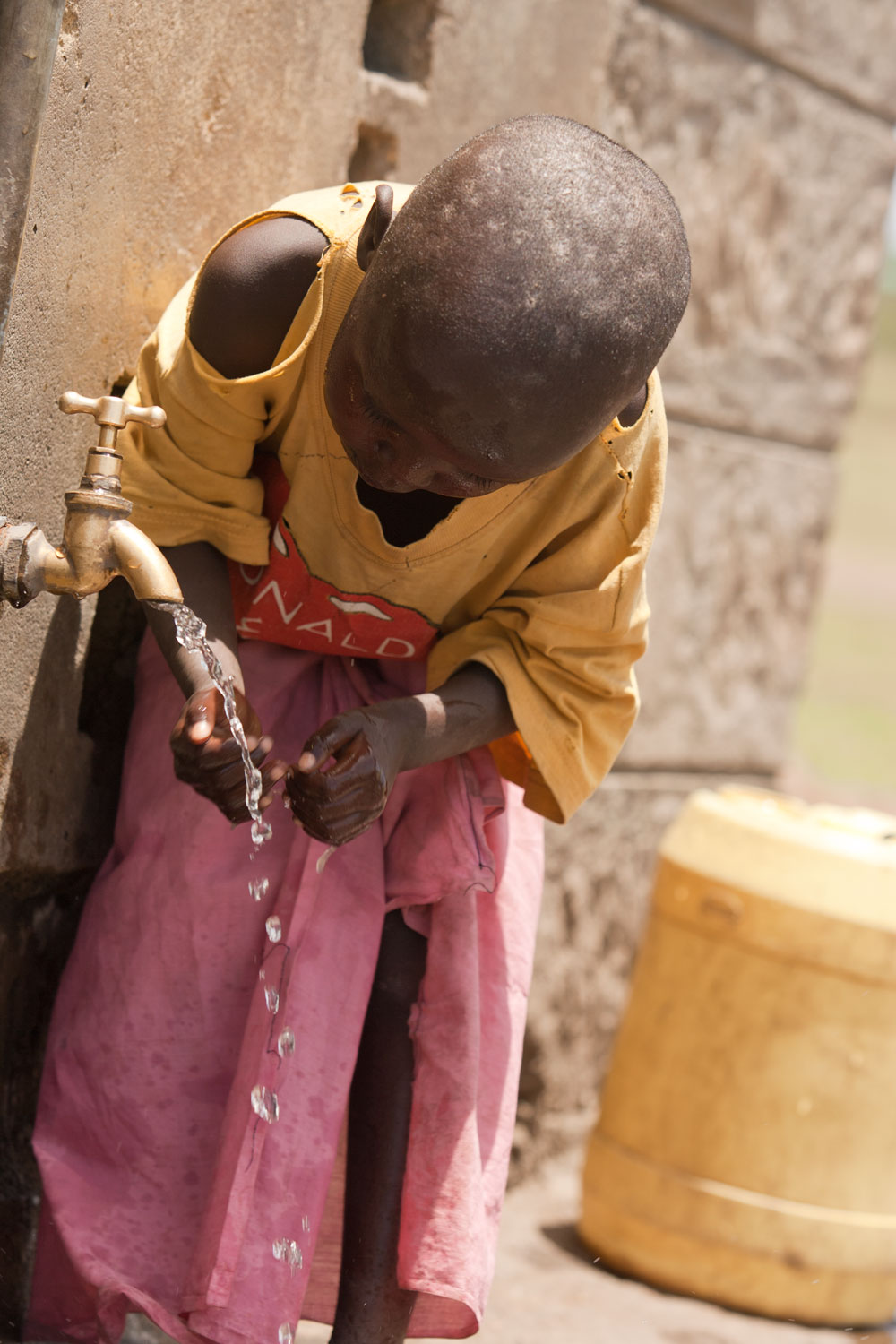
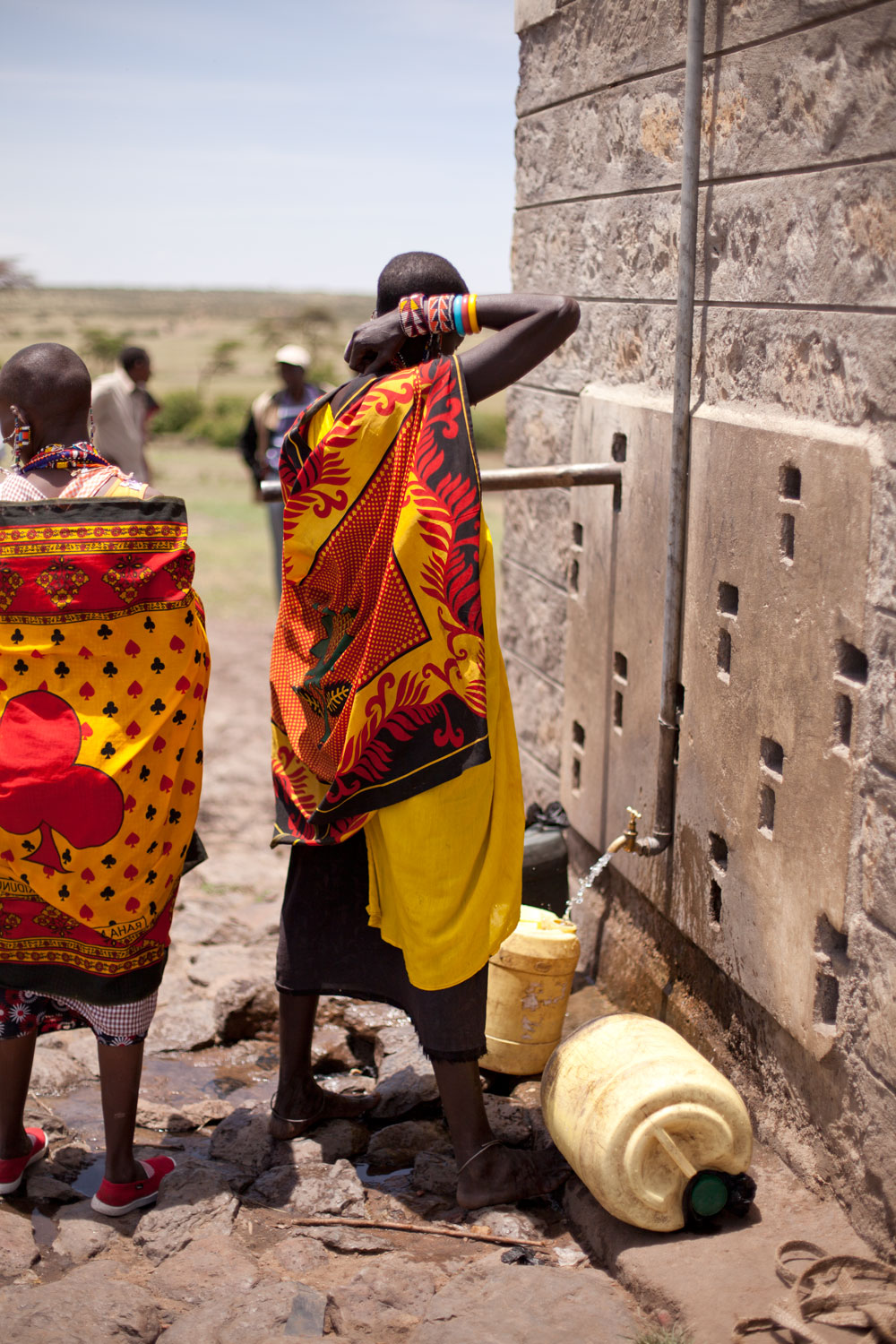
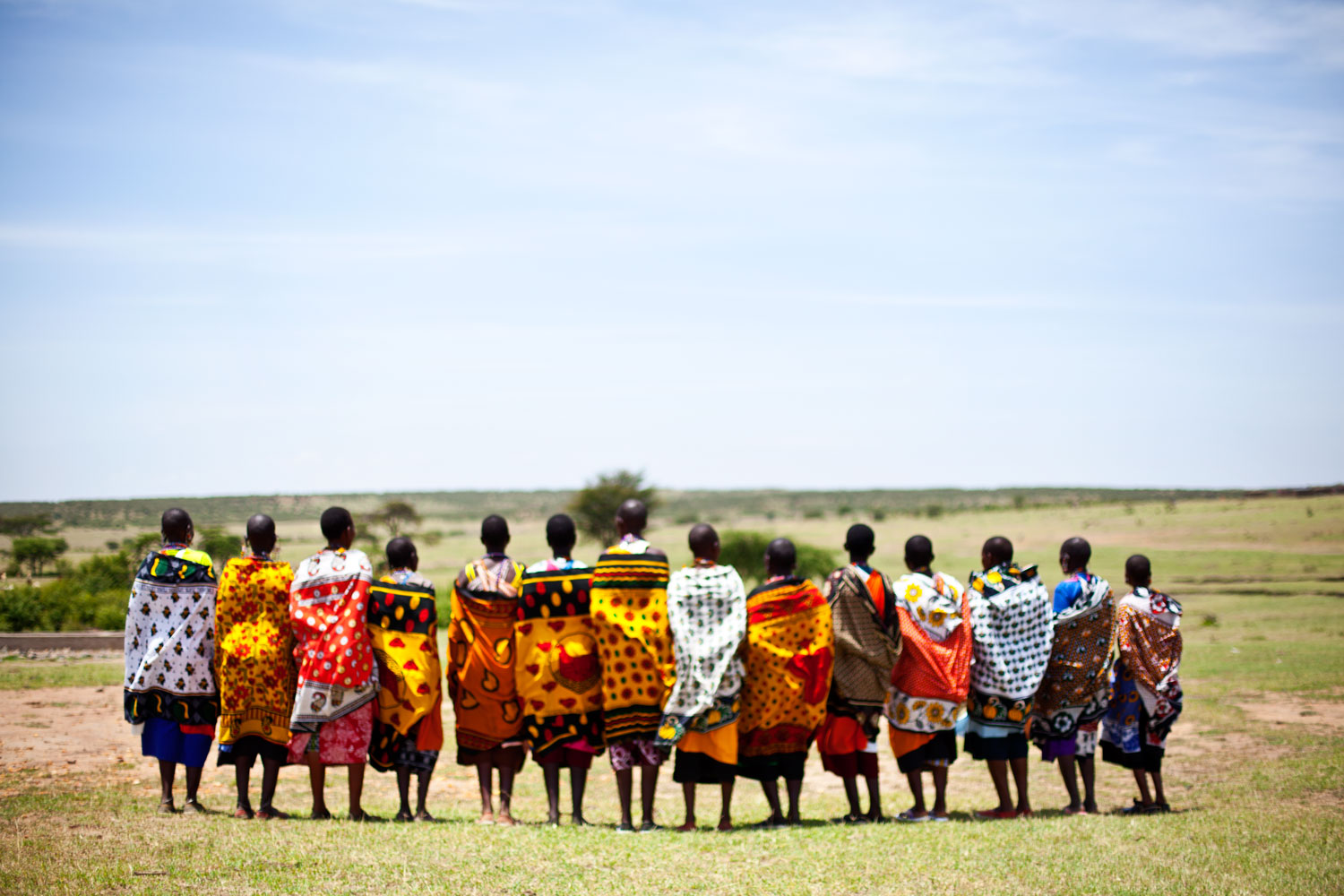
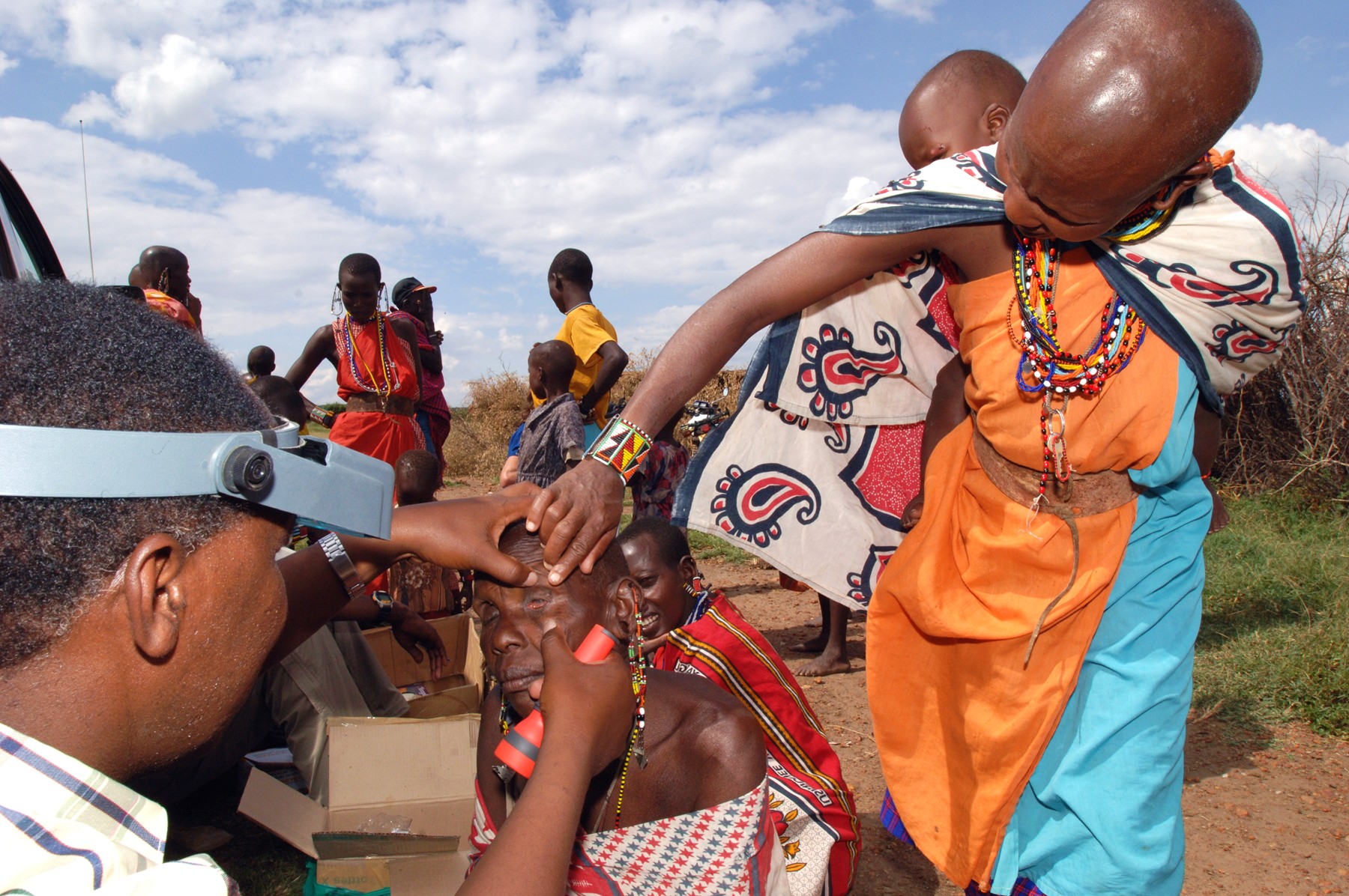
The photo essay below explains how the SAFE strategy and the MDGs seek to address similar issues. (Photos taken by Ric Rowan in Narok, Kenya. Photo caption information adapted from the International Trachoma Initiative.)
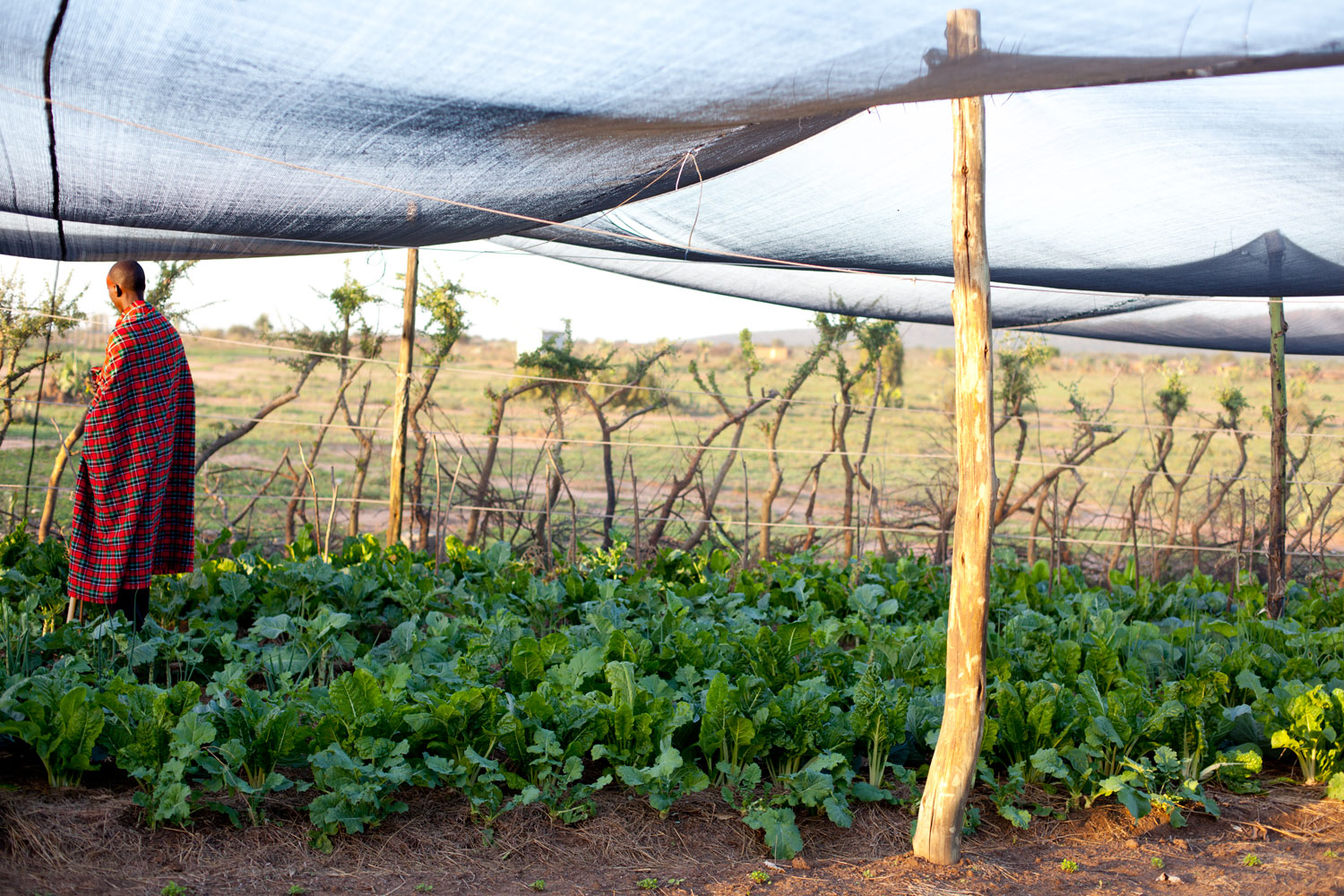
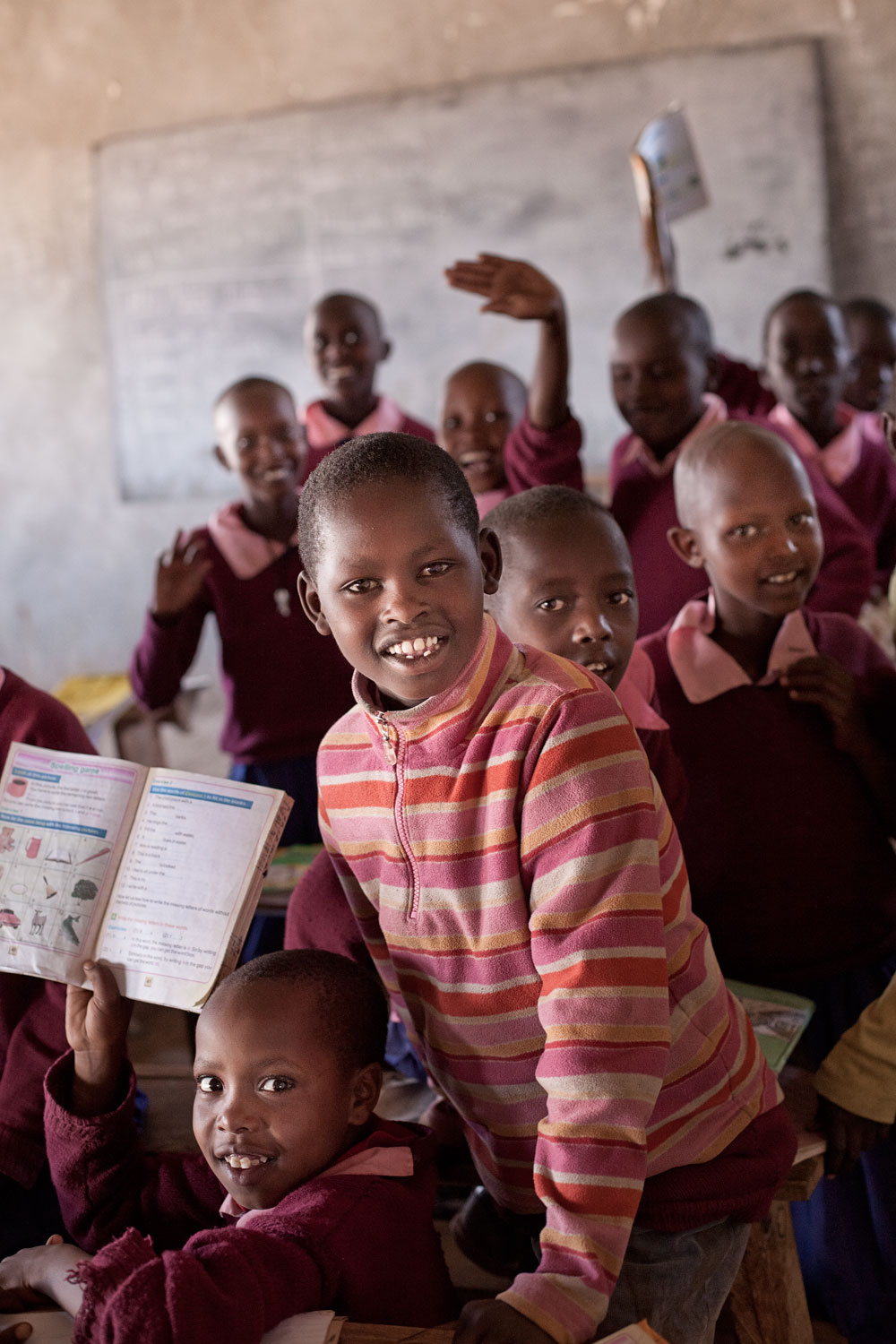
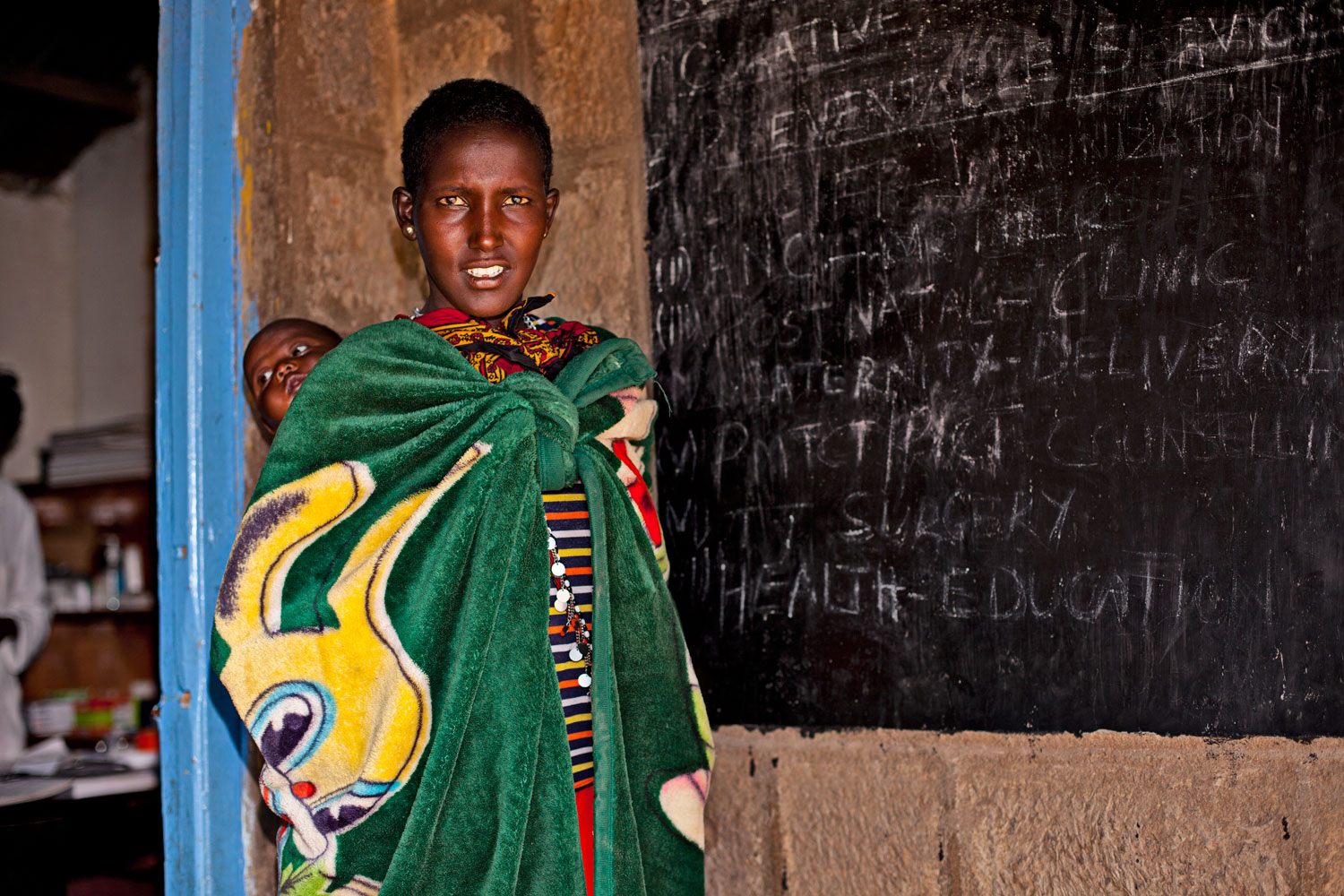
Thank you to our donors for supporting us as we implement the SAFE strategy and work to address the MDGs! To learn more about our trachoma projects, visit our Programs and Projects pages.
In 2000, world leaders adopted the United Nations Millennium Declaration, which included eight international development goals known as the Millennium Development Goals (MDGs).
Since then, United Nations member states and international organizations across the globe have been working to achieve the MDGs – which address common issues such as poverty, disease, quality of life and environmental sustainability – before the deadline of December 31, 2015.
As a member of the eye health community, Operation Eyesight helps address the MDGs through implementation of the SAFE strategy, a strategy that has proven effective in preventing the spread of the blinding eye disease trachoma.
Trachoma is the world's leading cause of preventable blindness. Caused by bacterial infection, it spreads easily through contact with eye discharge from infected people on hands, towels and clothing, and also through direct transmission by flies. Children are most susceptible to trachoma, and because of their role as primary caregivers, women are three times more likely than men to be blinded by the disease.
The SAFE strategy is a comprehensive treatment and prevention program that includes Surgery to treat the late stage of the disease, Antibiotics to eliminate infection, Face washing and hygiene education, and Environmental change including wells and latrines.
Properly implemented, the SAFE strategy permanently eliminates trachoma. Because of the emphasis on clean water and sanitation, it also dramatically improves the general health and prosperity of whole communities.
Come back next week to learn how the SAFE strategy and the MDGs both work to address similar issues, and why our donors’ support is so important in the war against trachoma!
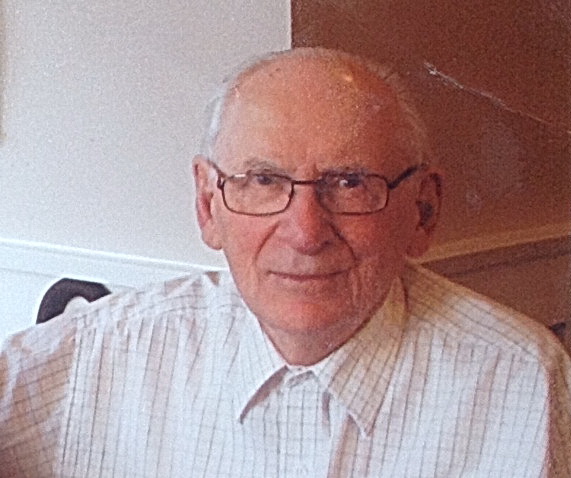
John Hacault certainly had a great big heart.
A longtime donor to Operation Eyesight, John passed away in Vancouver in 2013. Thanks to his generous legacy gift, our partner hospitals are able to reach out and give the gift of sight to people in need.
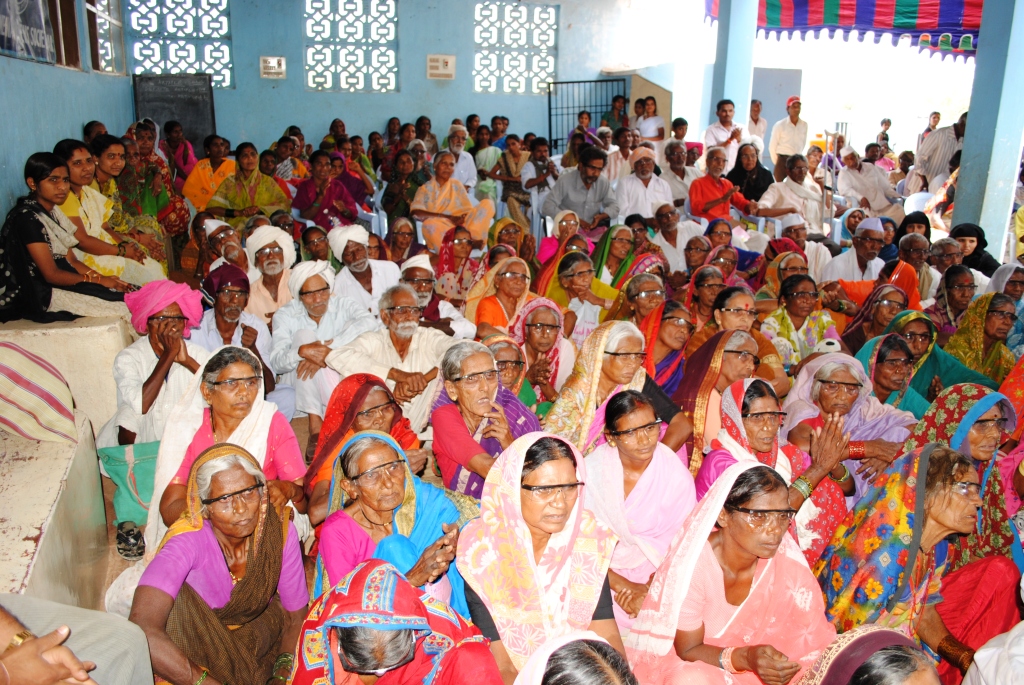
One such partner is Dr. Salins Eye Hospital, located in Bidar, India. Many of the region’s 61 million people lack basic health care, which is why the recent establishment of two vision centres is so important. Located at central village junctions, they are the point of first referral for serious eye problems and a big part of Operation Eyesight’s strategy to eliminate avoidable blindness.
“The legacy gift given to Operation Eyesight by the late John Hacault has been a gift of sight to quite a lot of people in Bidar,” says Kashinath Bhoosnurmath, Operation Eyesight’s Senior Director of International Programs. “He has made a significant difference in the lives of these people.”
John’s legacy has also helped another Operation Eyesight partner – Siliguri Greater Lions Eye Hospital, located in West Bengal State at the base of the Himalaya Mountains. Many people from the neighbouring countries of Bhutan, Bangladesh and Nepal cross the border to reach the hospital.
“We are grateful to Mr. Hacault, and I am also impressed by his foresight,” adds Kashinath. “Our vision centre is catering to a critical need of the people here. His legacy is making a very real difference!”
We all want to leave a legacy like John Hacault – and you can! You don’t have to be wealthy to make a meaningful impact. Call us toll-free at 1-800-585-8265 or email us at info@operationeyesight.com to receive a free Legacy Gift Information Package.
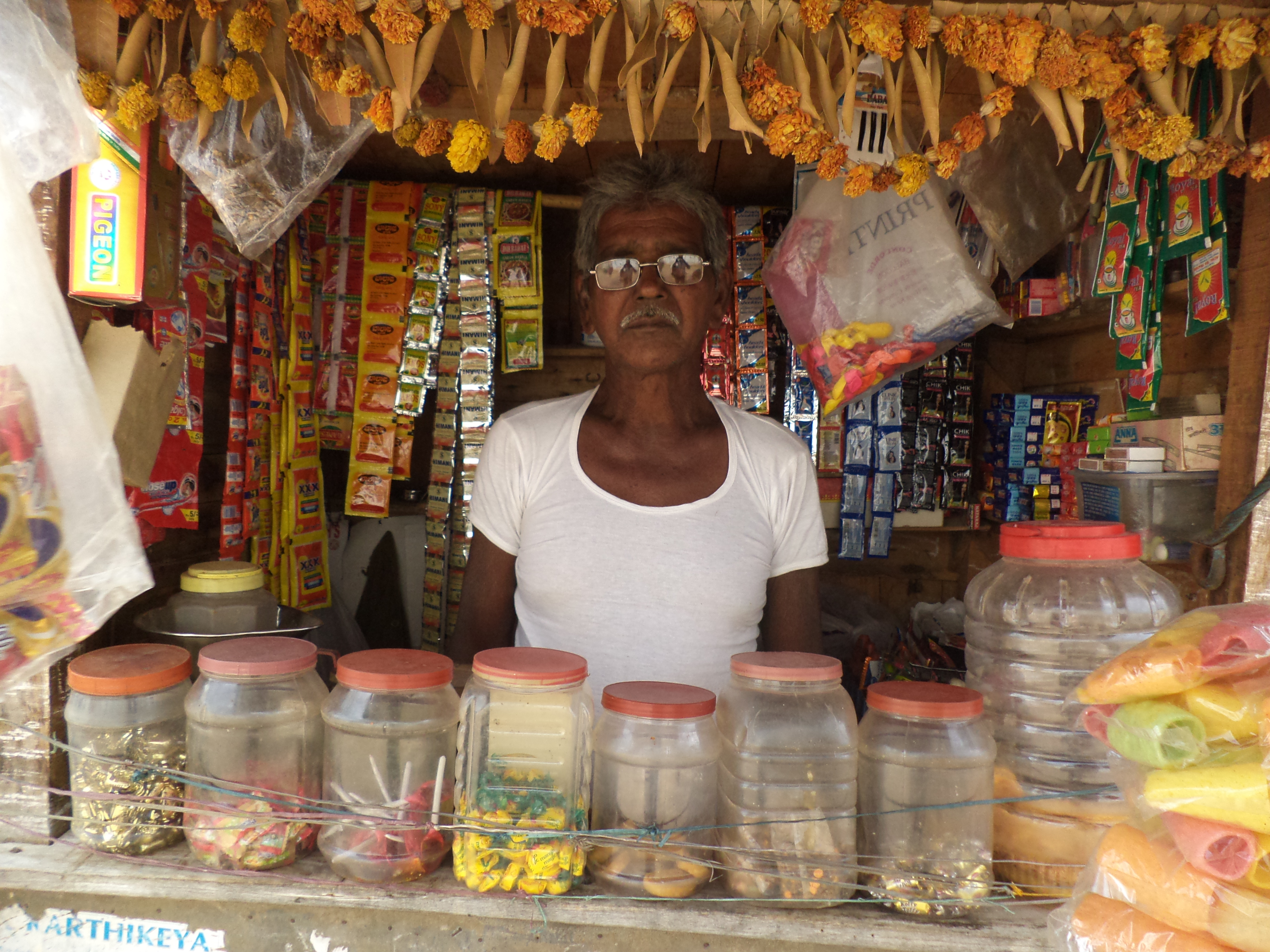
Jungali, 60, and his wife Laxmamma, 56, live in a village in the state of Telangana, India. Their three children have all married and settled elsewhere, leaving the two of them to fend for themselves.
The couple struggled to make ends meet. To make matters worse, Jungali began to lose his eyesight and was unable to work. Laxmamma got a job as a daily wage labourer to provide for herself and her husband as best she could.
Within a span of 10 months, Jungali had lost his vision completely. He went into a deep depression, feeling it was a shame to be confined to his home and be dependent on his wife. He prayed for an early death to be relieved of his suffering.
Thankfully, Jungali soon had his eyesight, and his dignity, restored. Sunitha, a community health worker from St. Gregorios Balagram Eye Hospital went in search of Jungali. You see, two years prior the hospital had conducted a door-to-door survey as part of a community eye health program. During the survey, they discovered that Jungali had poor vision and would require treatment.
Sunitha brought him to a screening program organized by the hospital’s medical team. They confirmed that Jungali was suffering from bilateral cataracts.
Though he didn’t have any money, Jungali was transported to the hospital, where he underwent cataract surgery on both eyes within a span of three months. All of this was made possible by Operation Eyesight’s generous donors.
After his first surgery, Jungali started a small candy store near the school in his village. He is now earning enough money to cover household expenses. Now that he can see better with both eyes, he wants to expand his shop and increase his earnings.
When Sunita recently visited Jungali for a follow-up examination, she found that he was happy and doing well. As Jungali says, “My thanks cannot be expressed in a few words.”
On behalf of Jungali and the many others who have had their sight restored, we would like to thank our donors for their incredible support. Because of you, people like Jungali once again have hope for a better future!
Access to safe water and sanitation facilities in Kenya has traditionally been a challenge, particularly in rural areas. In Ichangipusi village in Narok South District, the primary source of water used to be a laga (a seasonal riverbed).
Villagers would journey more than three hours to collect water from unprotected, shallow wells dug in the riverbed. Children, mostly girls, would bring containers with them to school so they could fetch water on their long seven-kilometre trek back home.
This labourious process to collect water came to an end in 2010, when Operation Eyesight developed a borehole in Ichangipusi village to help in the fight against trachoma, a painful but preventable eye disease that causes blindness.
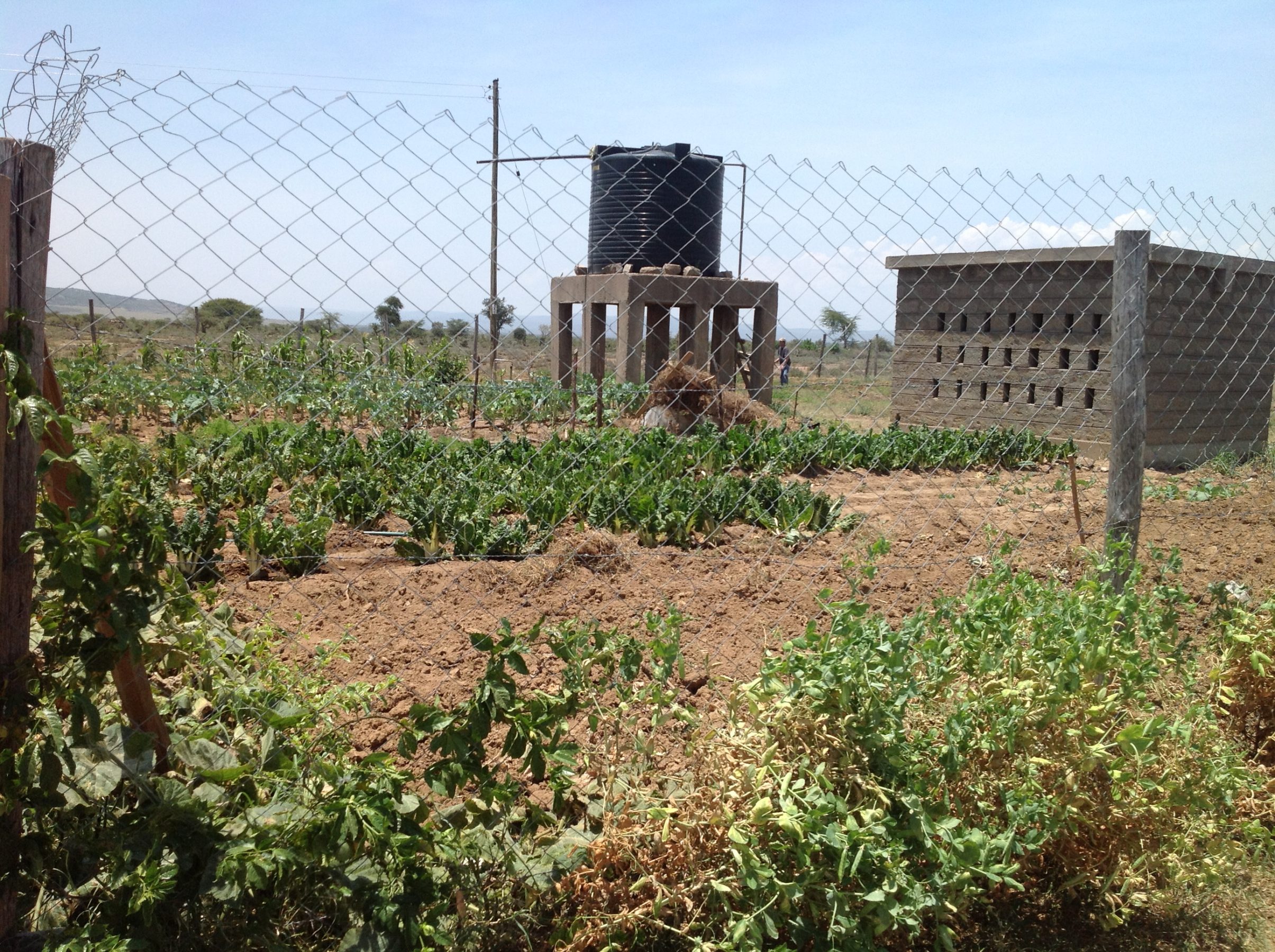
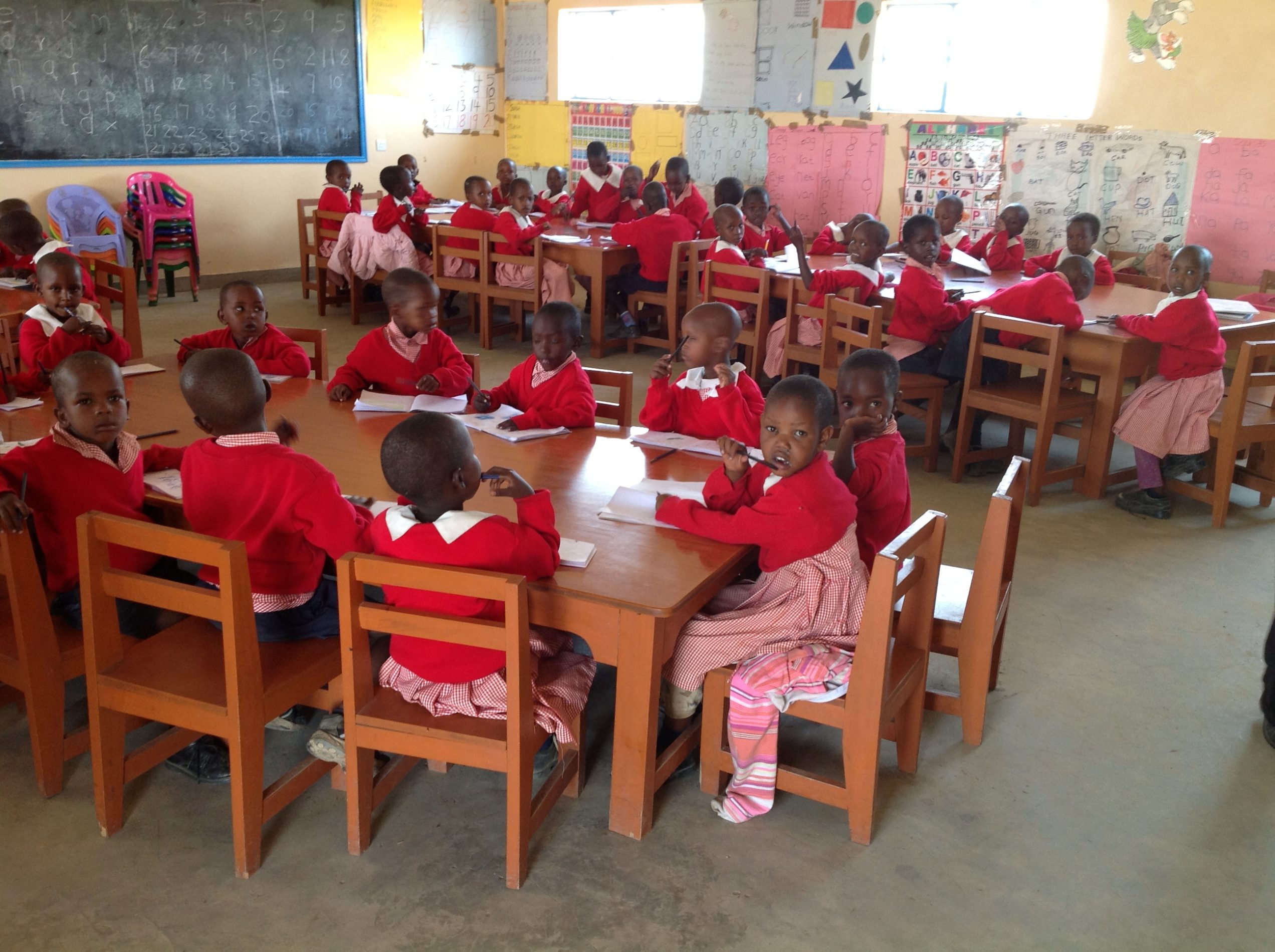
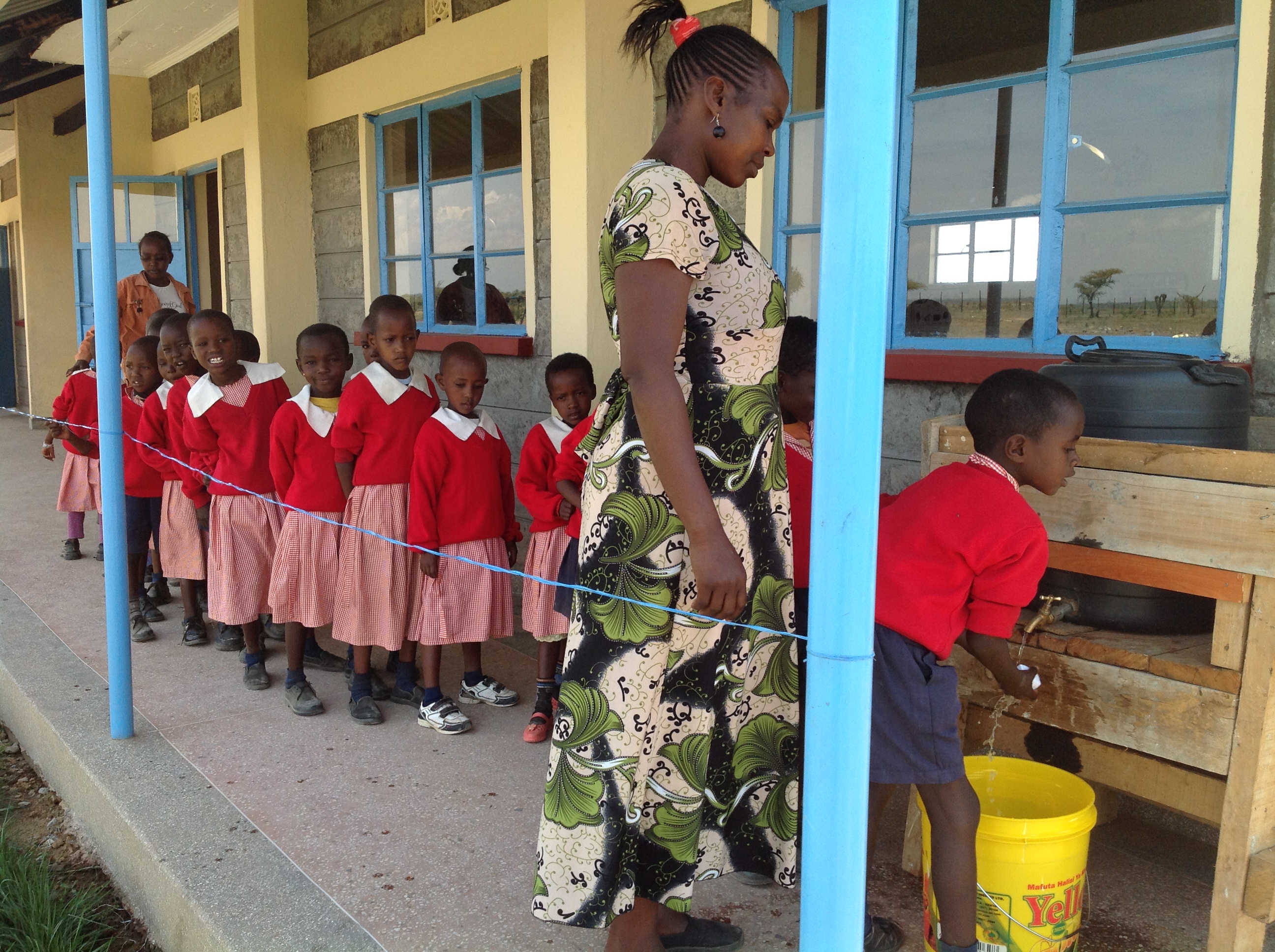
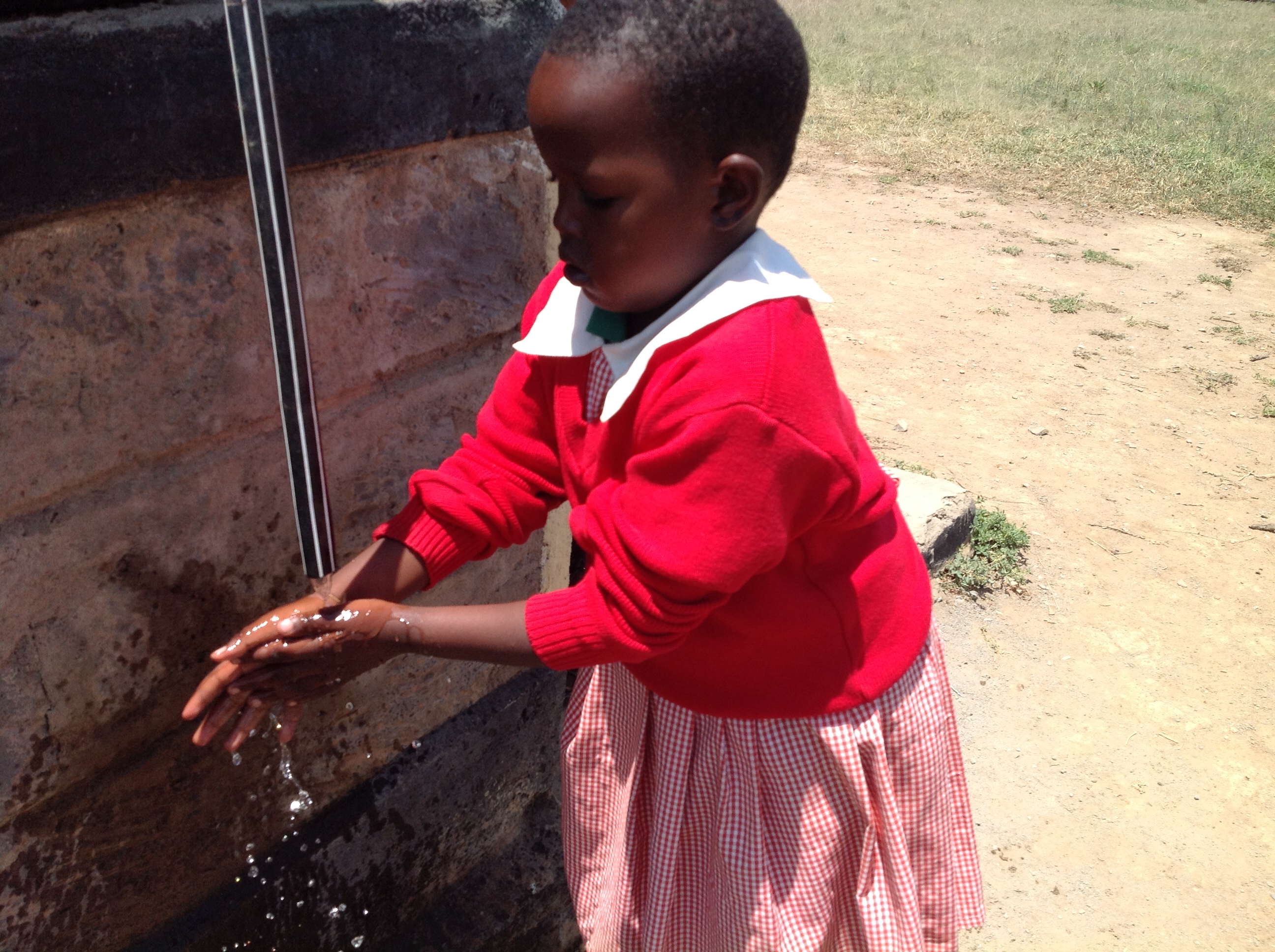
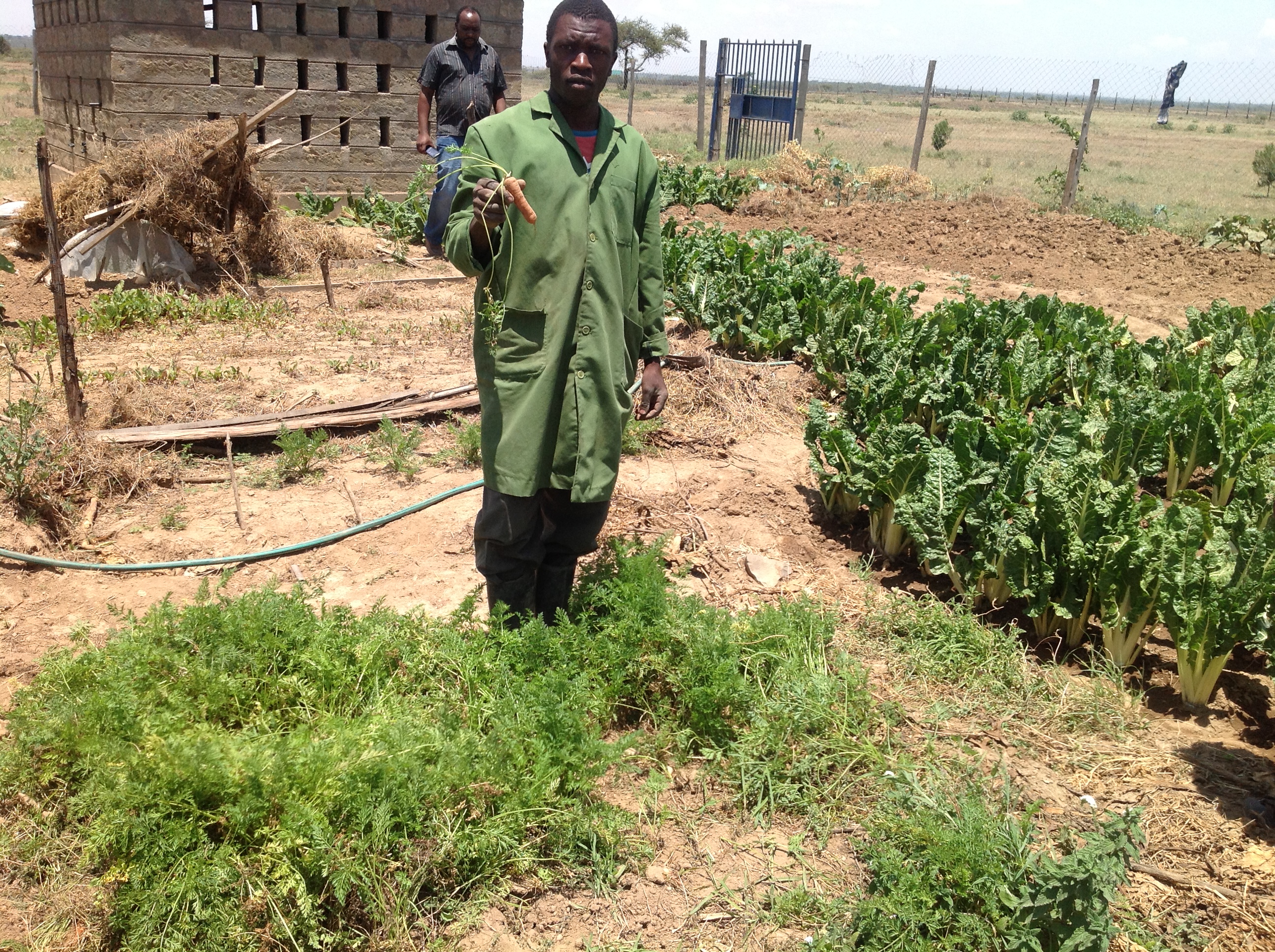
It is incredible to see the impact that one borehole can have on an entire village! Our donors truly are making a difference in the lives of others. Thank you! To learn more about Operation Eyesight’s trachoma projects in Narok, visit our website.
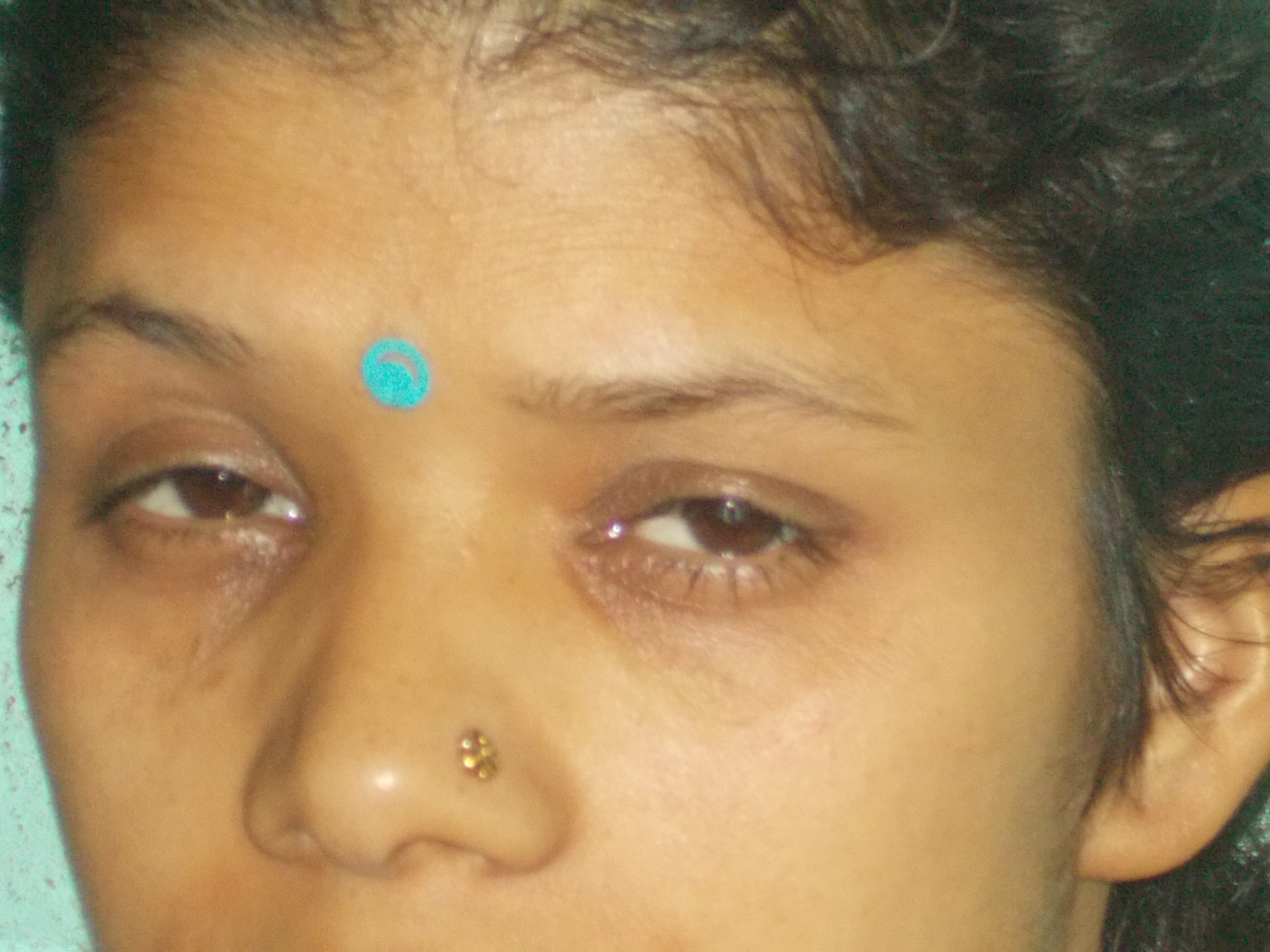
Four years ago, an Indian woman named Arti, then 22 years old, was living a blissful life. She and her husband spent their days farming and looking after their beautiful daughter (who would eventually become a big sister). Life was good – until, one day, things took a dramatic turn for the worse.
During a visit to her parents’ home in a neighbouring village, Arti developed an eye infection. The infection worsened as the days went on. She had no choice but to visit a traditional healer as there was no other eye care services available in her parents’ village. On the healer’s recommendation, she purchased some eye drops and continued to use them for three months.
Arti’s vision started to deteriorate. While she didn’t know it at the time, the prolonged use of steroid eye drops had caused cataracts to develop in both of her eyes. Over the next three years, her vision steadily diminished, eventually leaving her completely blind.
Unable to look after herself or to care for her two young children, Arti was forced to move in with her parents. To make matters worse, her husband left her a year later. Arti’s blissful life had turned into one of despair.
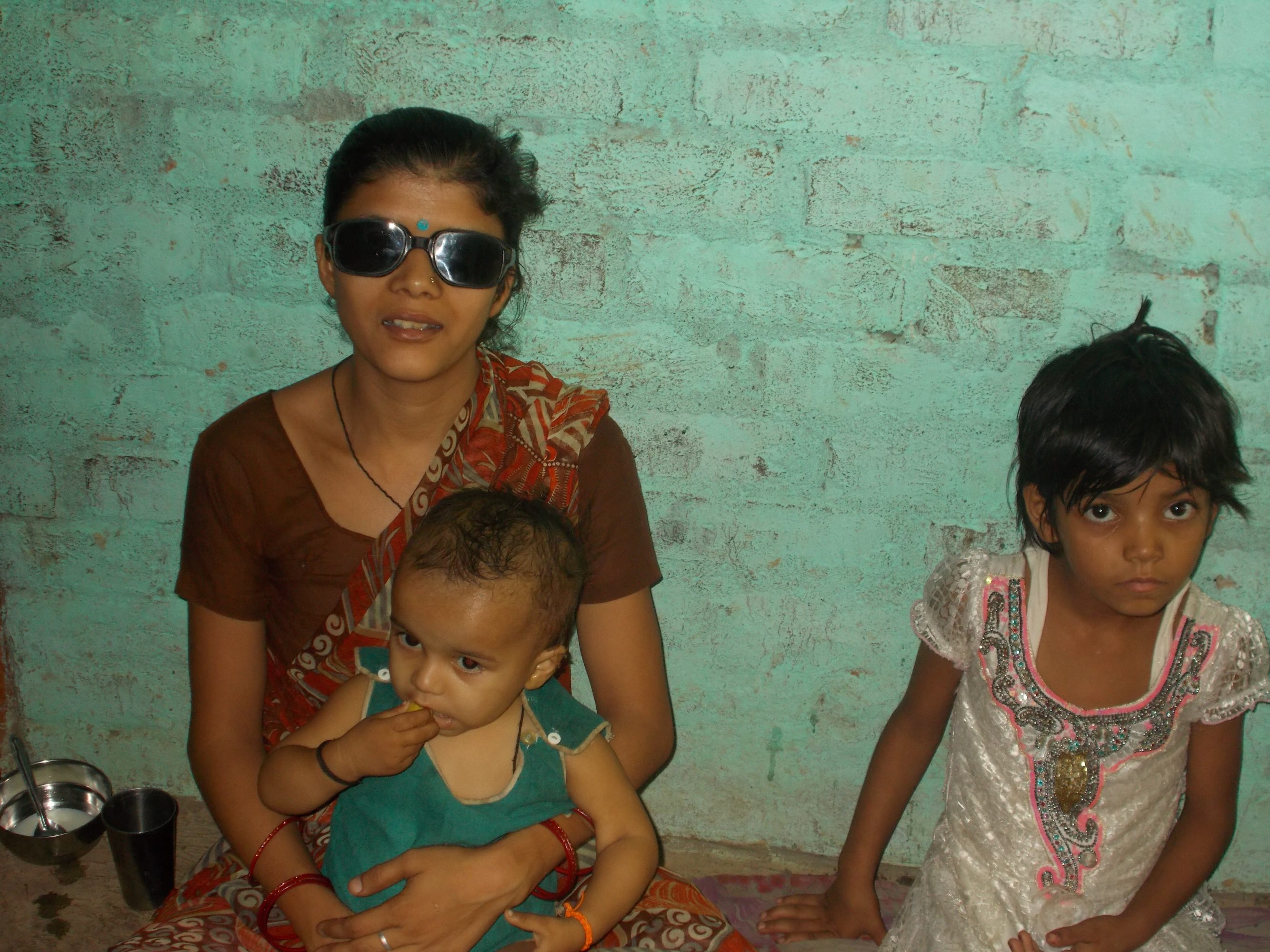
Then, one day, a community health worker named Annapurna visited their home. Annapurna was conducting a door-to-door survey as part of a Hospital-Based Community Eye Health Program led by Operation Eyesight’s partner, Dr. J.L. Rohatgi Eye Hospital. Annapurna diagnosed Arti’s condition and transported her to the hospital for cataract surgery.
The surgery, made possible by Operation Eyesight’s donors, was a life-changing experience for Arti. Now 26 years old, she has regained her eyesight and is able to take care of her children again. She hopes to find a job so she can become economically independent and send her children to school.
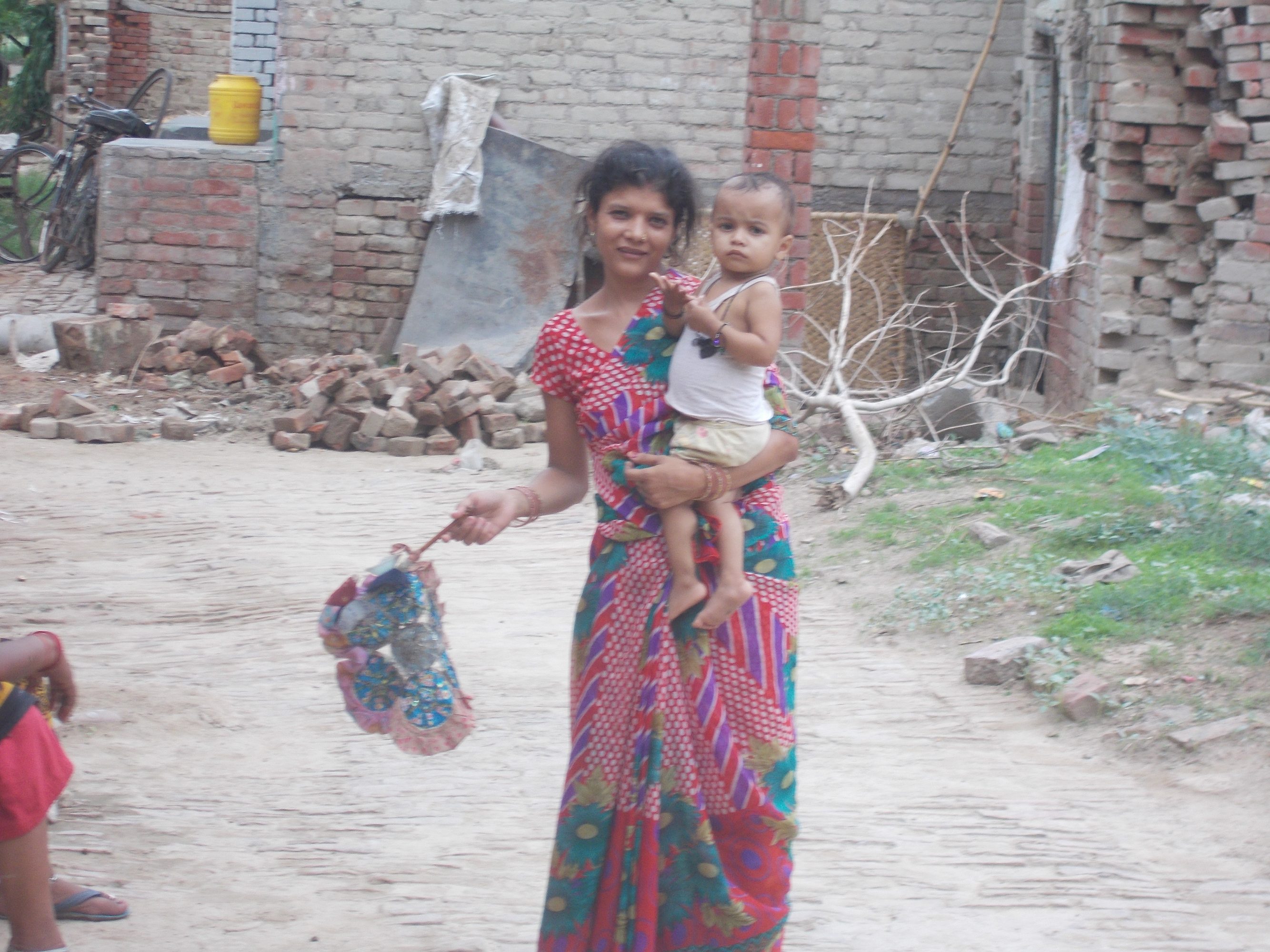
Arti and her children now have brighter futures ahead of them. Not one, but three lives, have forever been changed, thanks to the generosity of Operation Eyesight’s incredible donors!
This Christmas, you can contribute to community-based eye care projects in India. Your gift will bring medical care to more people like Arti. Visit our Gift Guide to learn more.
 On behalf of all of us at Operation Eyesight, I’d like to extend our heartfelt thanks to you for your support over the past year. Merry Christmas to you and yours, and warmest wishes for the new year!
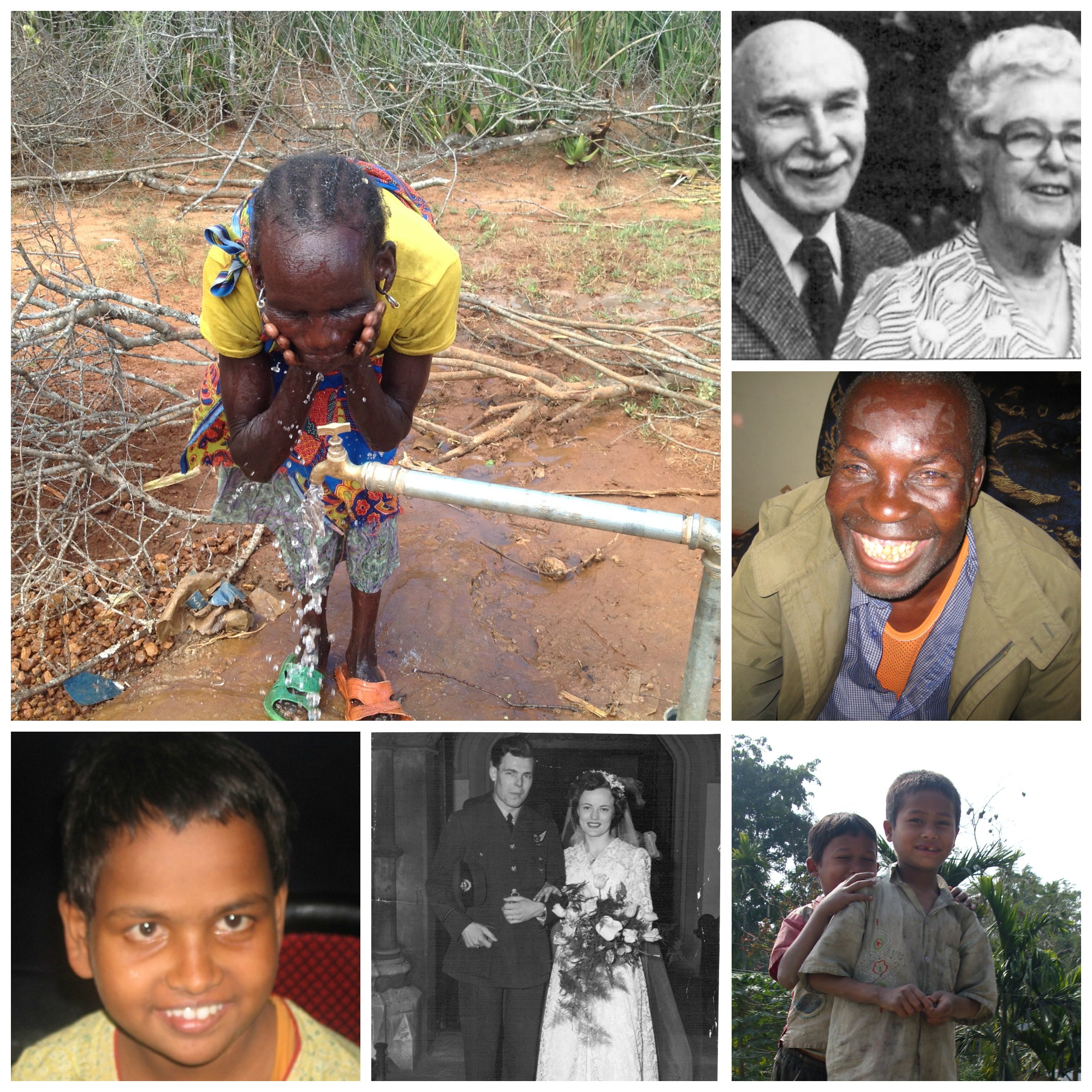 We love hearing your good-news stories and sharing them with others! Send your story to info@operationeyesight.com today. Your words may inspire others!
With only three weeks left until Christmas, you may be worried about how you’re going to fit all your gift shopping in. And you know the mall parking lot is going to be full and the checkout lines are going to be unbearably long.
Thankfully, there’s another less-stressful, less time-consuming option: Operation Eyesight’s Gift Guide.
We love hearing your good-news stories and sharing them with others! Send your story to info@operationeyesight.com today. Your words may inspire others!
With only three weeks left until Christmas, you may be worried about how you’re going to fit all your gift shopping in. And you know the mall parking lot is going to be full and the checkout lines are going to be unbearably long.
Thankfully, there’s another less-stressful, less time-consuming option: Operation Eyesight’s Gift Guide.
 Stay warm and dry at home, but still get the perfect gifts for everyone on your shopping list, including those hard-to-buy for people. You know, the ones who seem to have everything!