

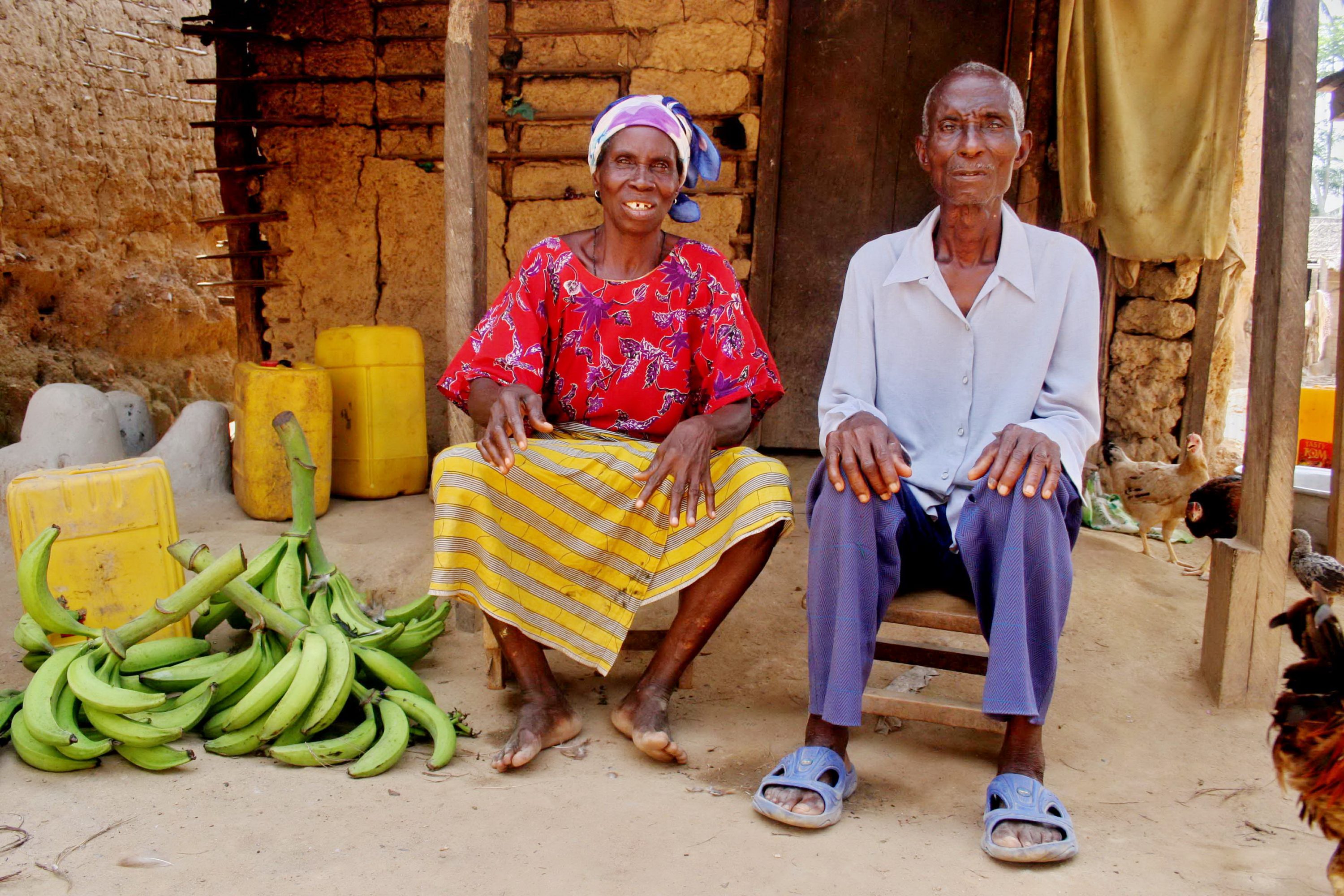
In Kenya and Zambia, Operation Eyesight is implementing the World Health Organization-endorsed SAFE strategy to treat and ultimately eliminate the blinding eye disease, trachoma. SAFE includes Surgery to treat trichiasis (the painful late stage of the disease), Antibiotics to eliminate infection, Face washing and hygiene education, and Environmental change including wells and latrines. As the photos below depict, there are many benefits to SAFE implementation.
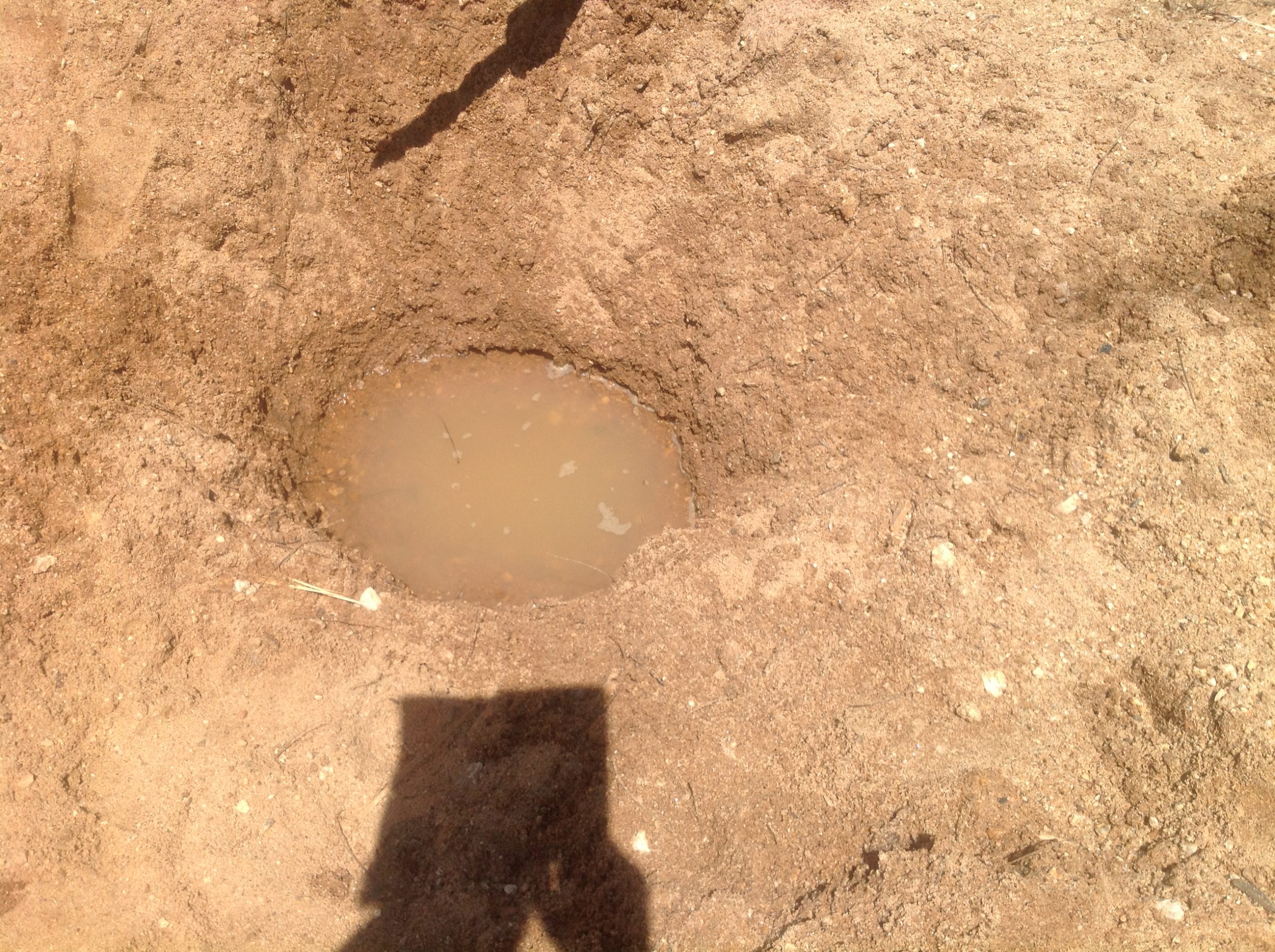
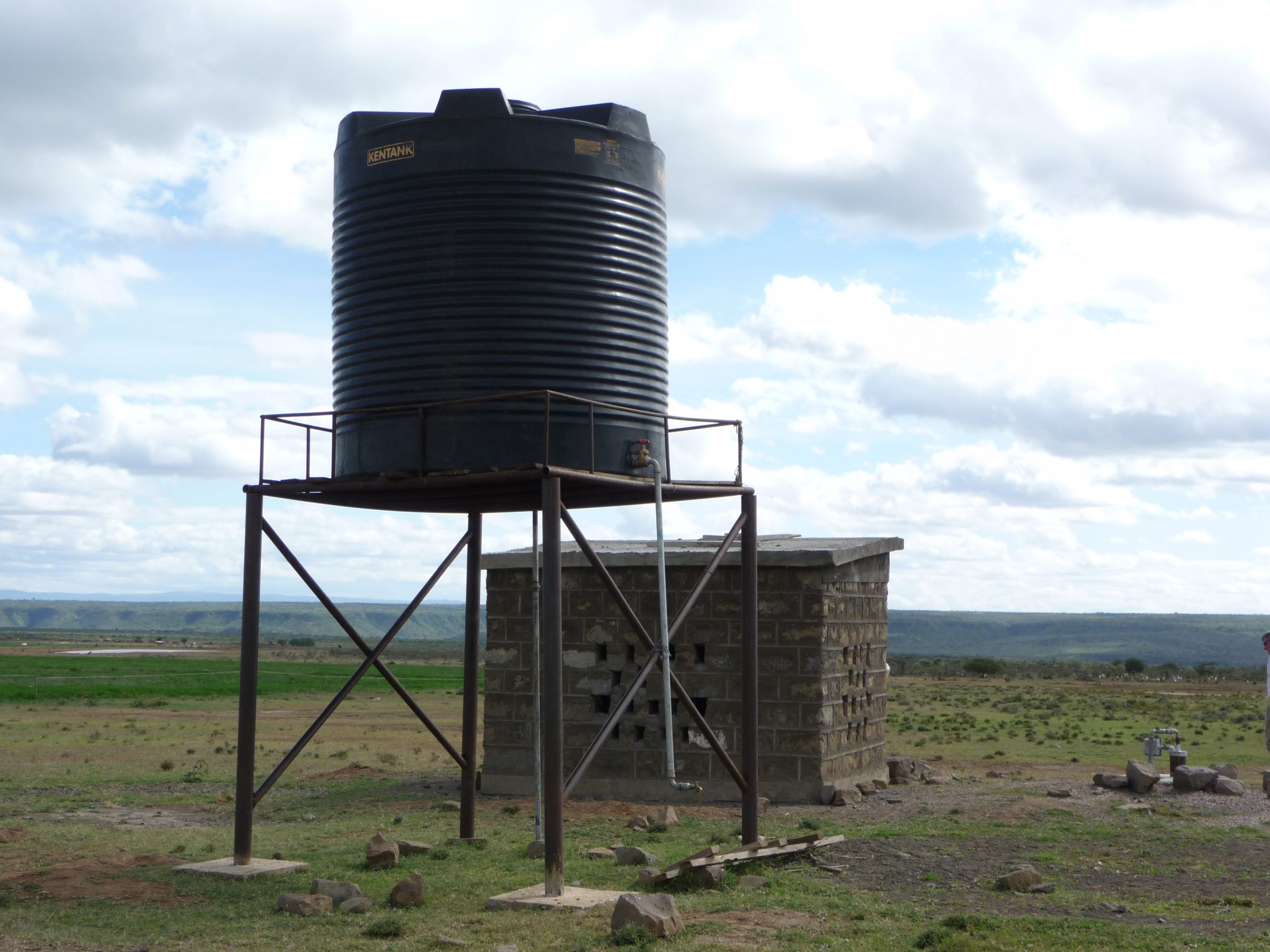
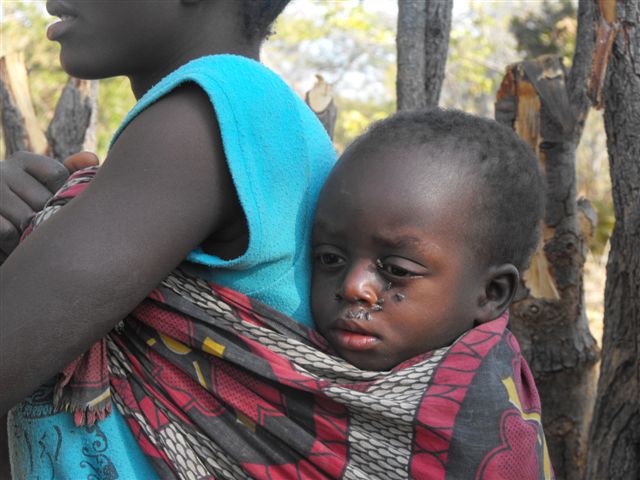

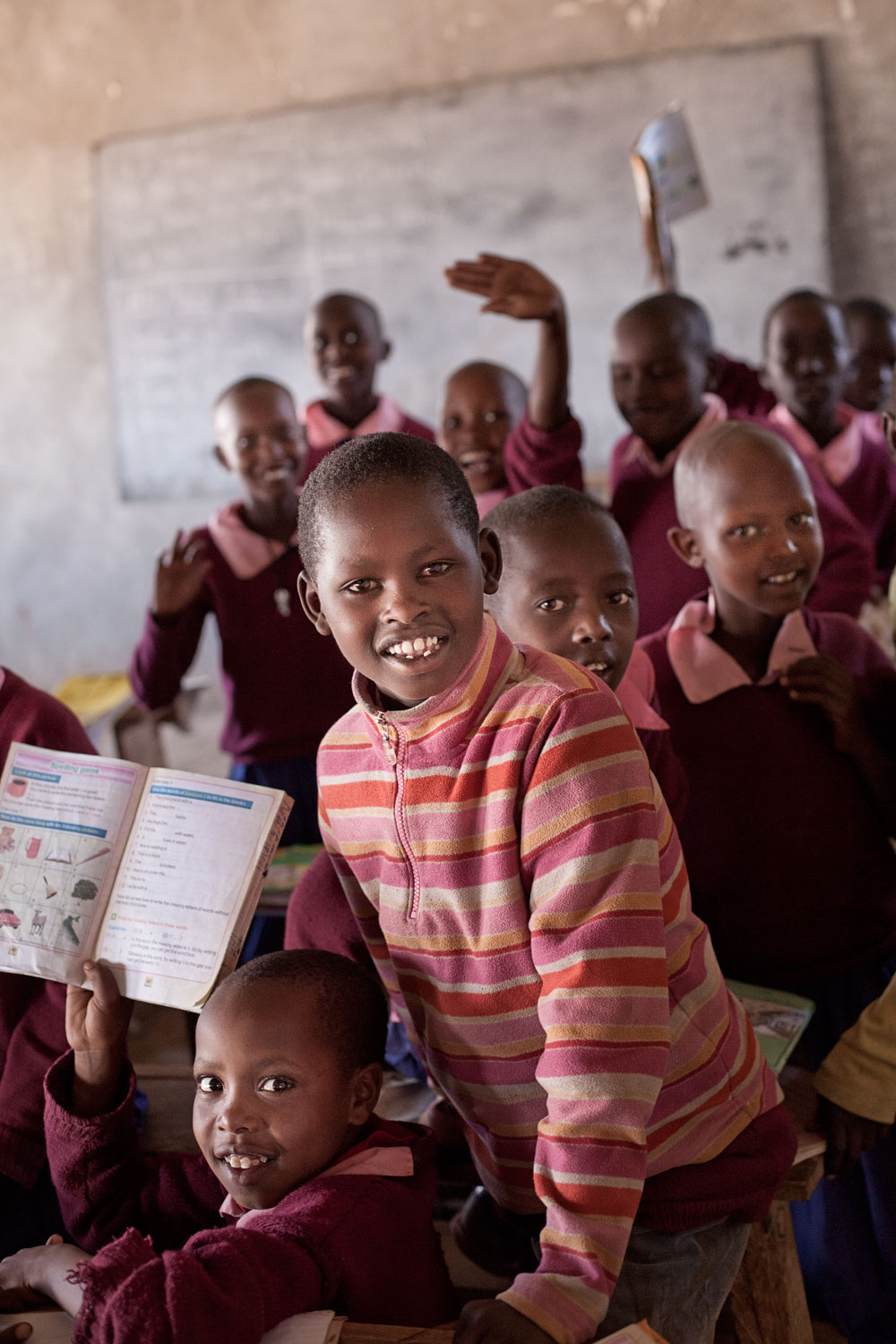


Thousands of people have benefitted from, and will continue to benefit from, Operation Eyesight’s trachoma projects and implementation of the SAFE strategy. Children can attend school, fathers can earn an income and mothers can care for their families again. Communities thrive as a whole. And it is all because of our generous donors. Thank you!
You can read more about our trachoma projects on our website.
Janeffer Chepchumba has been teaching at Uhuru Primary School in Nakuru County, Kenya for seven years. In 2013, she added a new topic to her students’ curriculum: eye health.
Last fall, the Seeing is Believing Child Eye Health Project, one of our partnerships with Standard Chartered Bank, began training teachers of sighted children in Nakuru County. Janeffer was selected to attend the training, which focused on vision screening, general eye health, and eye health education and promotion.
Since her training, Janeffer has screened 152 children and referred 76 of them to the eye unit at Nakuru Provincial Hospital for various eye conditions. Many of the children were suffering from severe allergies. Janeffer advised their parents to take them to the eye unit to be diagnosed and treated.
“Initially, most parents were unaware and didn’t bother much when their child scratched their itchy eyes,” explains Janeffer. “Now they’re aware of the issue. Children who previously suffered from teary, red eyes are now happy their eyes are healed.”
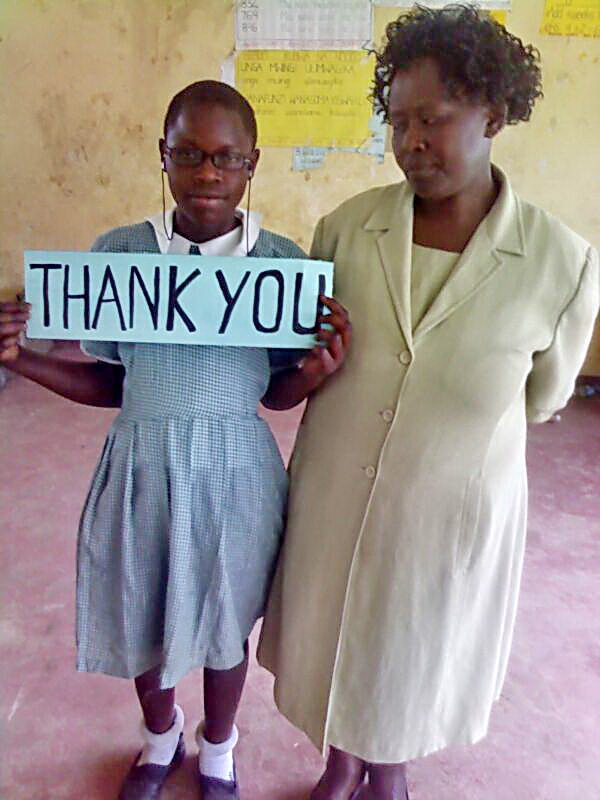
Other students were diagnosed with uncorrected refractive error. Simply put, they needed eyeglasses. Thanks to the generous support from our donors, the students received brand new, custom-fitted prescription eyeglasses.
Grade six student Monica Adongo is one grateful beneficiary. On Janeffer’s recommendation, her mother took her to see an ophthalmologist.
“I am very happy that I can see everything well,” says Monica. “I can read what is written on the board and I don’t need to copy my friends’ work anymore. I am grateful that my teacher recommended I go to the eye unit.”
Janeffer also began a hand and face washing program at her school, after learning that proper sanitation can help prevent the spread of bacteria and eye disease. She found two jerrycans in the school kitchen and had them washed and filled with water. The children are now getting used to the practice of using the water to regularly clean their hands and faces.
Additionally, Janeffer makes eye health presentations to the students. She speaks during morning assemblies and goes from one classroom to other, educating children on proper eye care. She also speaks with the students’ parents whenever she has the opportunity.
“The training I received has made me more sensitive to the eye needs of our children,” says Janeffer. “I have been able to create awareness among my students and some parents on the importance of proper eye health.”
Janeffer plans to educate her fellow teachers on the subject, too, so they can all work together to promote eye health and plan activities for the students.
You can support teachers like Janeffer as they strive to promote eye health in their schools in developing countries. This June, please consider making a tribute gift in honour of your favourite teacher. It’s a great way to say “thank you,” and at the same time help students see a bright future!
On behalf of all of us at Operation Eyesight, I’d like to wish our Canadian supporters a happy Canada Day! As you sing our national anthem and watch the fireworks tonight, I hope you take the time to appreciate how fortunate we are to live in a country where we have convenient access to quality eye care and clean water for drinking and washing. Thanks to your generous donations, we are working to provide these items to people in India and Africa as well. Thank you for your support over the past year, and best wishes for a wonderful summer!
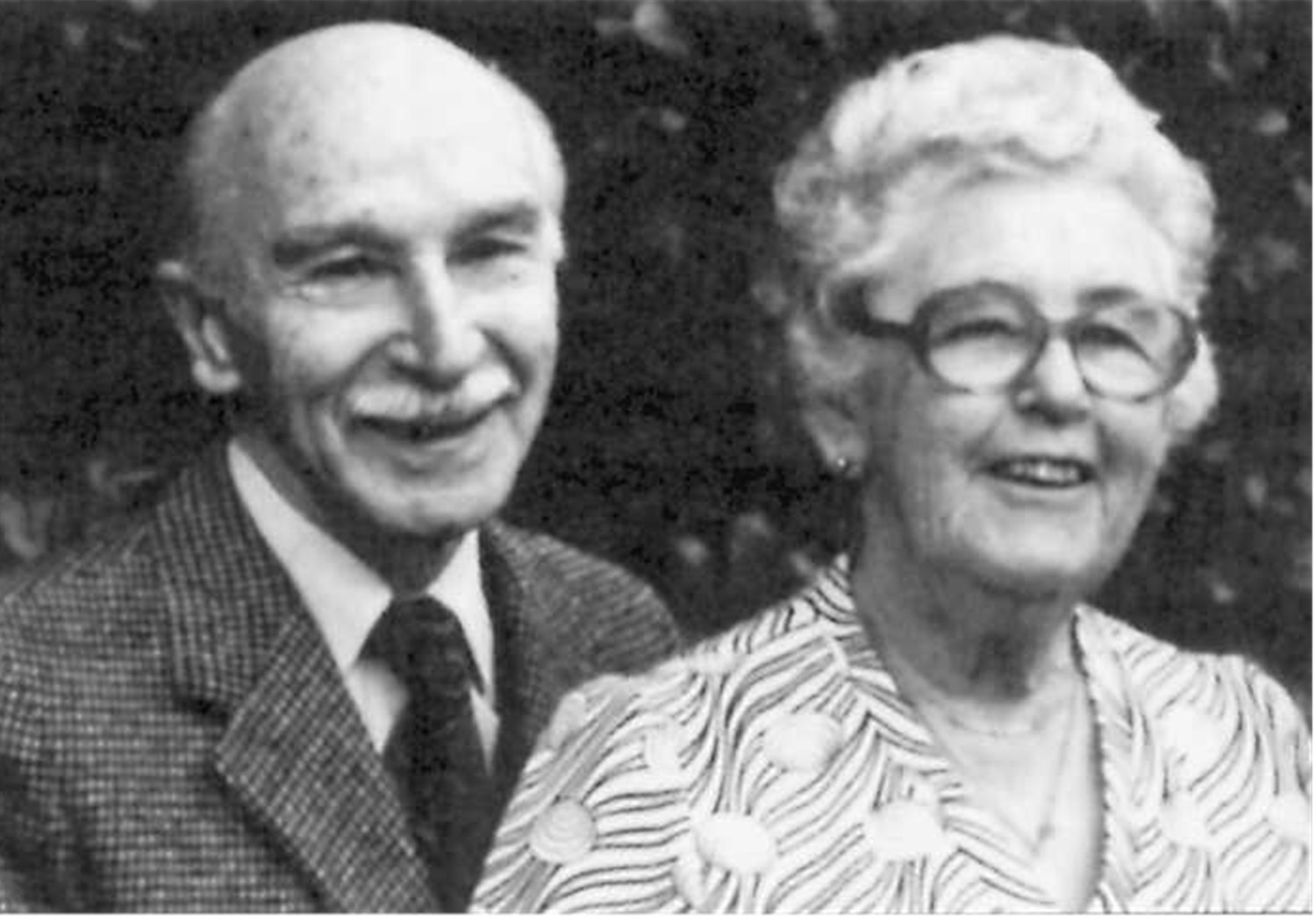
After working in India for over 50 years, we have some great stories to share. For instance, our 10-millionth eye treatment was performed in 1987 on 12-year-old Satish Kumar for an infected gland in his upper eyelid. But did you know that Operation Eyesight’s origin in India is also a romantic one?
In many ways, our story begins on the honeymoon of Dr. Ben and Evlyn Gullison, Canadians who travelled to Sompeta, India in 1932 as medical missionaries. They discovered 200,000 people who were blind and had no medical care whatsoever. The Gullisons founded Arogyavaram Hospital to serve the region’s health needs.
However, Dr. Ben was not an eye doctor, so in 1949 he convinced ophthalmologist Dr. John Coapullai to join their staff. But many people were too poor to afford even basic eye care. Dr. Ben returned to Canada seeking funding for his hospital. There he met Calgary businessman Art Jenkyns, who became inspired by Dr. Ben's vision and founded Operation Eyesight.
At first, the tiny charity worked to meet Arogyavaram’s needs, such as a new roof in 1966 after the old one became infested with termites! But from those small beginnings and thanks to dedicated donors and volunteers, the organization grew to support four additional hospitals in India by 1969, assuming the full operating costs of Arogyavaram by 1970.
During these years, we focused on mass cataract surgeries to combat one of the main causes of blindness. Since then, we’ve come to realize that a world without avoidable blindness can only be achieved when everyone has access to sustainable, quality eye care, regardless of their ability to pay.
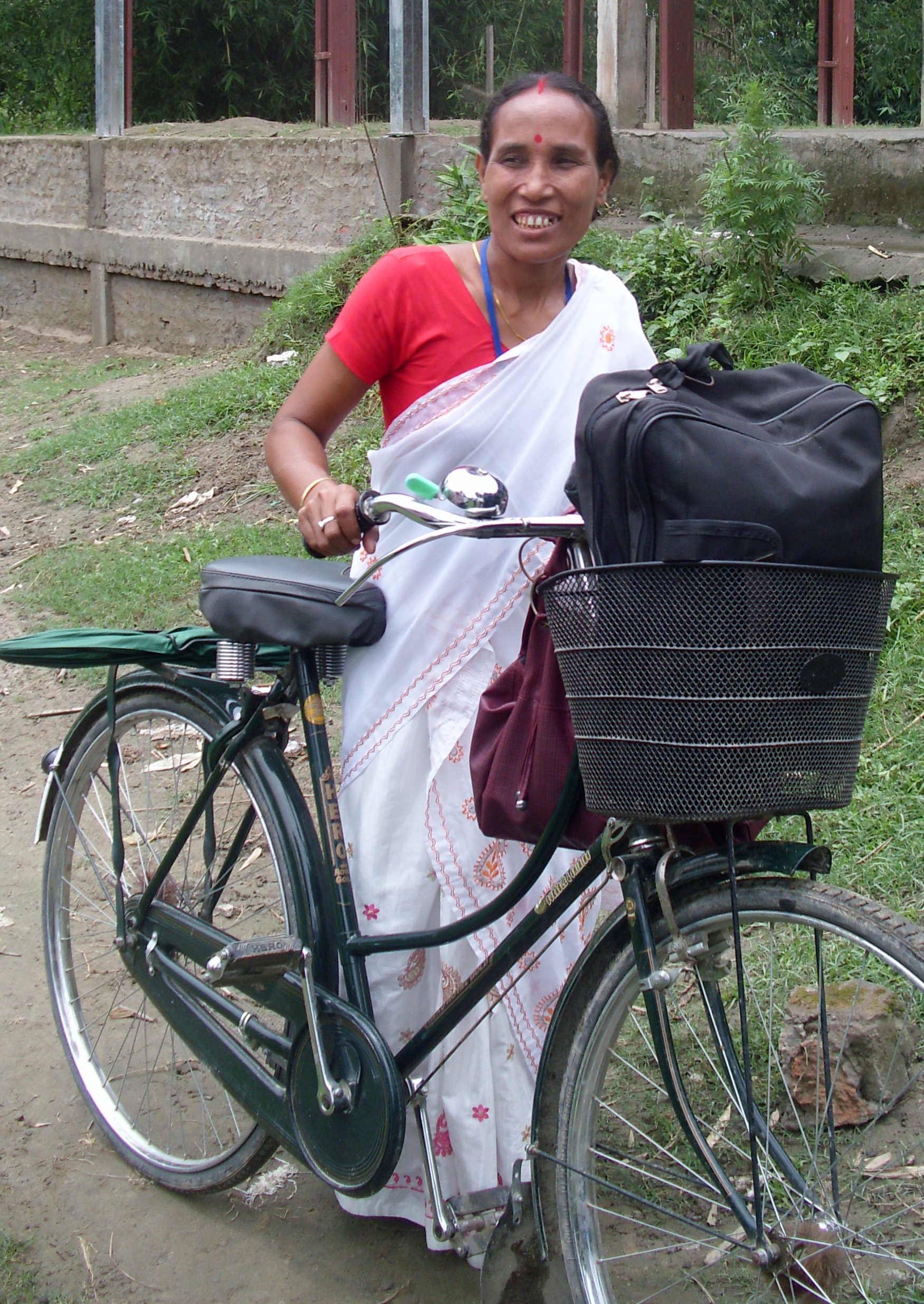
With that in mind, in 2001 we entered into a formal partnership with India’s world-renowned LV Prasad Eye Institute, initiating a period where we would work more closely with our partners, offering technical expertise with the goal of each partner reaching financial self-sustainability.
Our health care model now focuses on quality rather than quantity and stresses the importance of recruiting and training local individuals as community workers. This model is so successful that in 2013 it was endorsed by Vision 2020 India, which is encouraging its partners to adopt it.
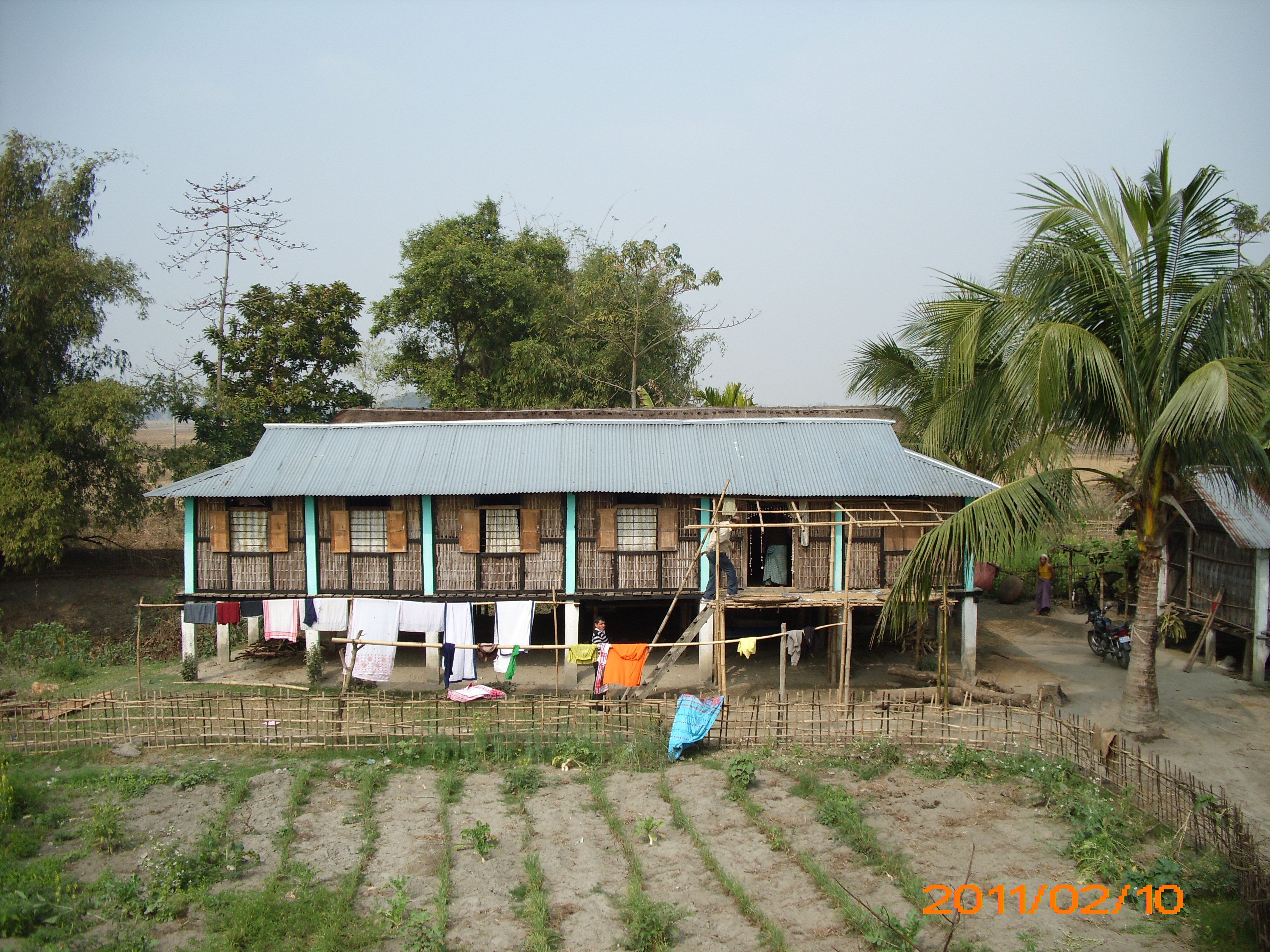
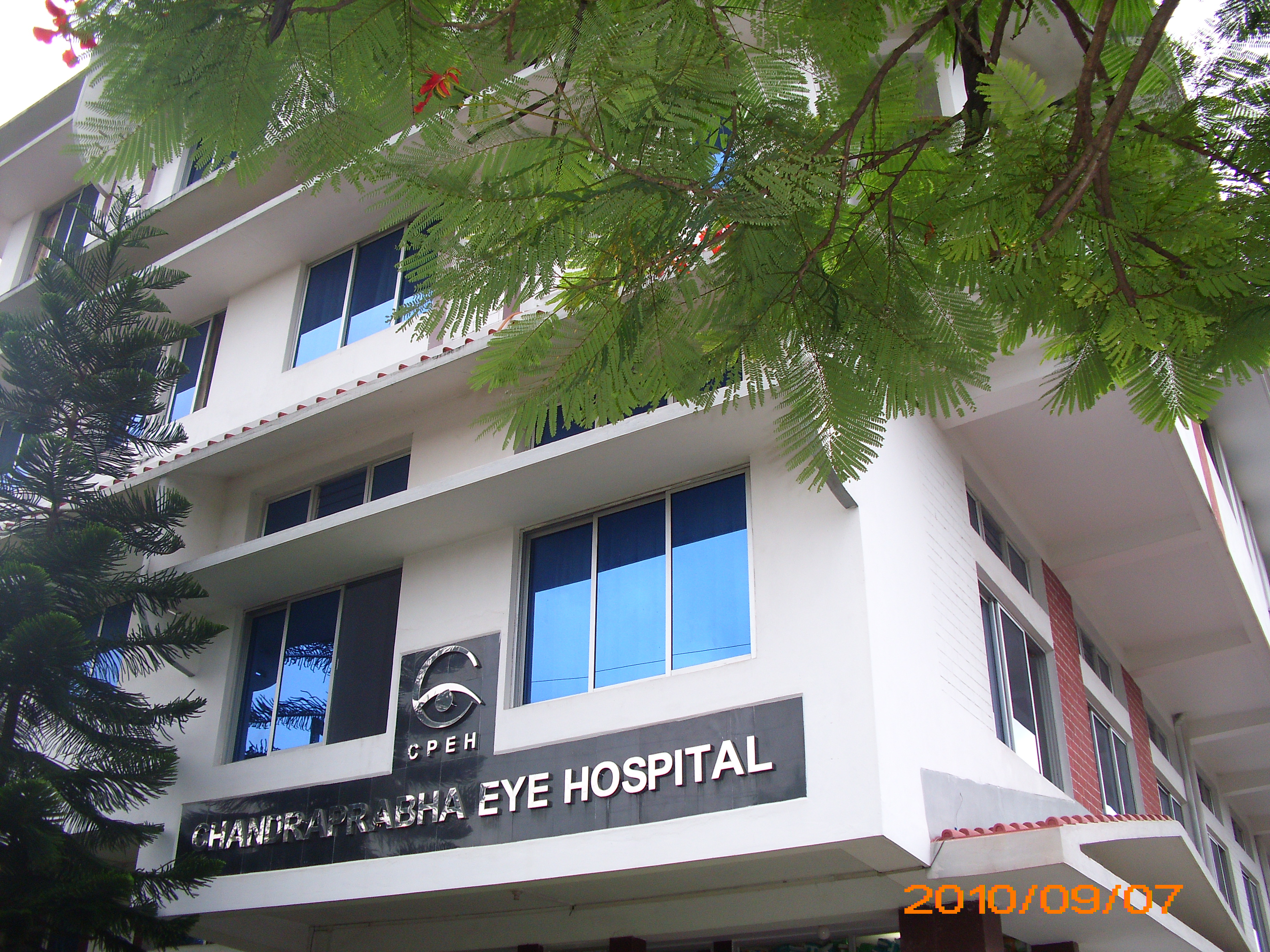
Our donors have a direct impact beyond our 40 Indian hospital partners. One such partner is Chandra Prabha Eye Hospital. Together, we’re bringing eye care to the 150,000 people of Majuli Island, who previously had no vision services at all.
It was only a few years after our organization’s founding that we began to support projects outside India. For a long time, this work was scattered, with individual projects in Africa, Asia and South America. Today, our work outside of India is focused in the African countries of Ghana, Kenya and Zambia. Visit our website to learn more about our programs in each country.
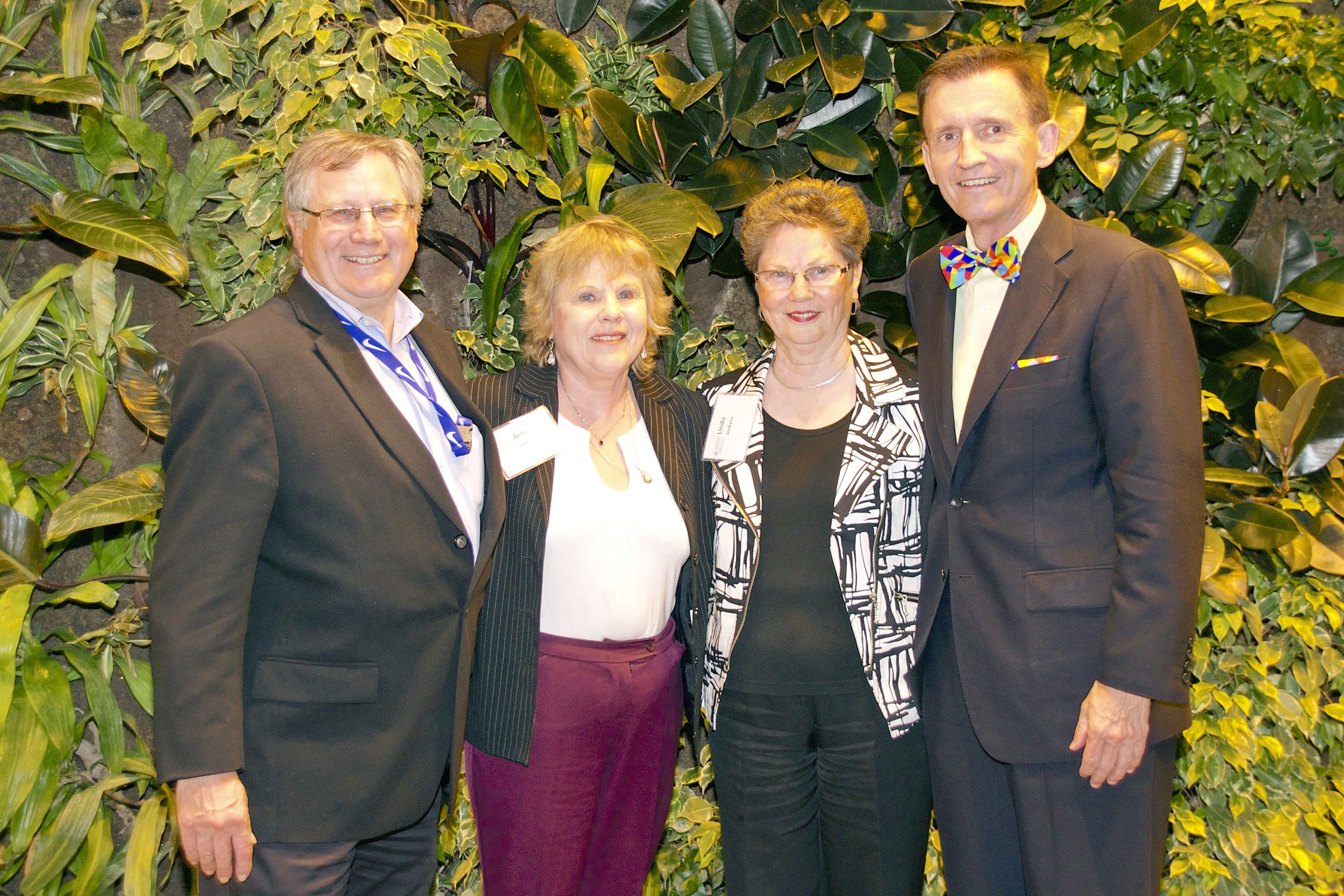
That's the Jenkyns family, in the picture above. From the left: grandaughter Glenys, sons Tom and Bill, daughter Linda, son Jim, and daughter Arleigh. Linda has been a long-time volunteer at Operation Eyesight, too!
Art Jenkyns used to say, “You can’t change the world, but you can change some people’s world.” As founder of Operation Eyesight, he did just that. And as a dedicated husband and father, he also made the world a better place for his family.
Art and his beloved wife, Una, had five children: Tom, Linda, Arleigh, Bill and Jim. “We kids were all really close, and we were all close to both Mom and Dad,” recalls their daughter, Linda.
Despite his busy schedule, Linda says her father was able to achieve a good balance between his work, family and faith. Sunday was designated as family day. They would play games in the backyard and simply enjoy spending time together.
The Jenkyns also planned a few weeks of family holidays each summer. “Mom and Dad loved to camp. They had a 9x9 tent with five kids and a dog, and we never stayed anywhere for more than one night.”
After summers of setting up and breaking camp, the Jenkyns found their new home-away-from home: a family cottage in central Alberta. Linda has many fond memories of their time out at the lake. “Dad loved the water,” she explains. “And he just loved to go out there and spend time with us.”
Art would often keep busy with chores, such as raking up weeds in the water or staining the deck, but he was happy to be around his family. He knew how to have fun, too; he’d play cards or games with the kids. Linda and her siblings still go out to the cottage, reminiscing about their father’s joy at being out there with them.

Art was also a romantic. He adored Una, to whom he was married for 62 years. “I remember the first trip my Dad made to India in 1968. My parents had never been separated before. Dad was away for a month and he wrote Mom a letter every day.”
Linda remembers going to pick her Dad up from the airport and watching him bolt through the door to see them. “The expression ‘joined at the hip’ was so true of my parents. Mom was his strength and his support, and he gave her credit.”
Art was quick to give everyone else credit, putting the needs of others before his own. “He was a man of deep faith who felt he was called to lead others,” explains Linda.
“He was encouraging and optimistic. He instilled in us the importance of giving back to the community and making the world a better place for those less fortunate.”
The Jenkyns family – which now spans four generations, with 11 granchildren, five great-grandchildren and twins on the way this fall! – will always remember Art as a loving and compassionate husband, father and grandfather.
“We miss him dearly,” says Linda. “He was one-of-a-kind. He always said he’d like to leave the world a better place, and he certainly did that.”
We would like to thank Linda for sharing her precious memories with us. We enjoy hearing such heartwarming stories about the man who founded our work. He truly was remarkable, and so is his legacy!
You, too, can help make the world a better place. This Father’s Day, please consider giving a gift in honour of the dad in your life and, by doing so, help parents in India and Africa. See our Gift Guide.
When his father was killed in an accident six years ago, Mahesh was only nine years old. Now 15, he lives with his mother Sailu and two younger siblings in Fatehnagar slum in the city of Hyderabad, India. Sailu supports the family as a daily wage labourer, earning around INR 5,000 ($92 CAD) per month. The little family barely manages to make ends meet.
Now in the equivalent of grade 10, Mahesh is a very conscientious student who wants to achieve good marks so he can take post-secondary training. He dreams of getting a job so he can support his mother and siblings.
However, over the past year, a secret anxiety gnawed at him: his marks were going down! His family started losing hope that he would pass his upcoming secondary school exams. What would become of them?
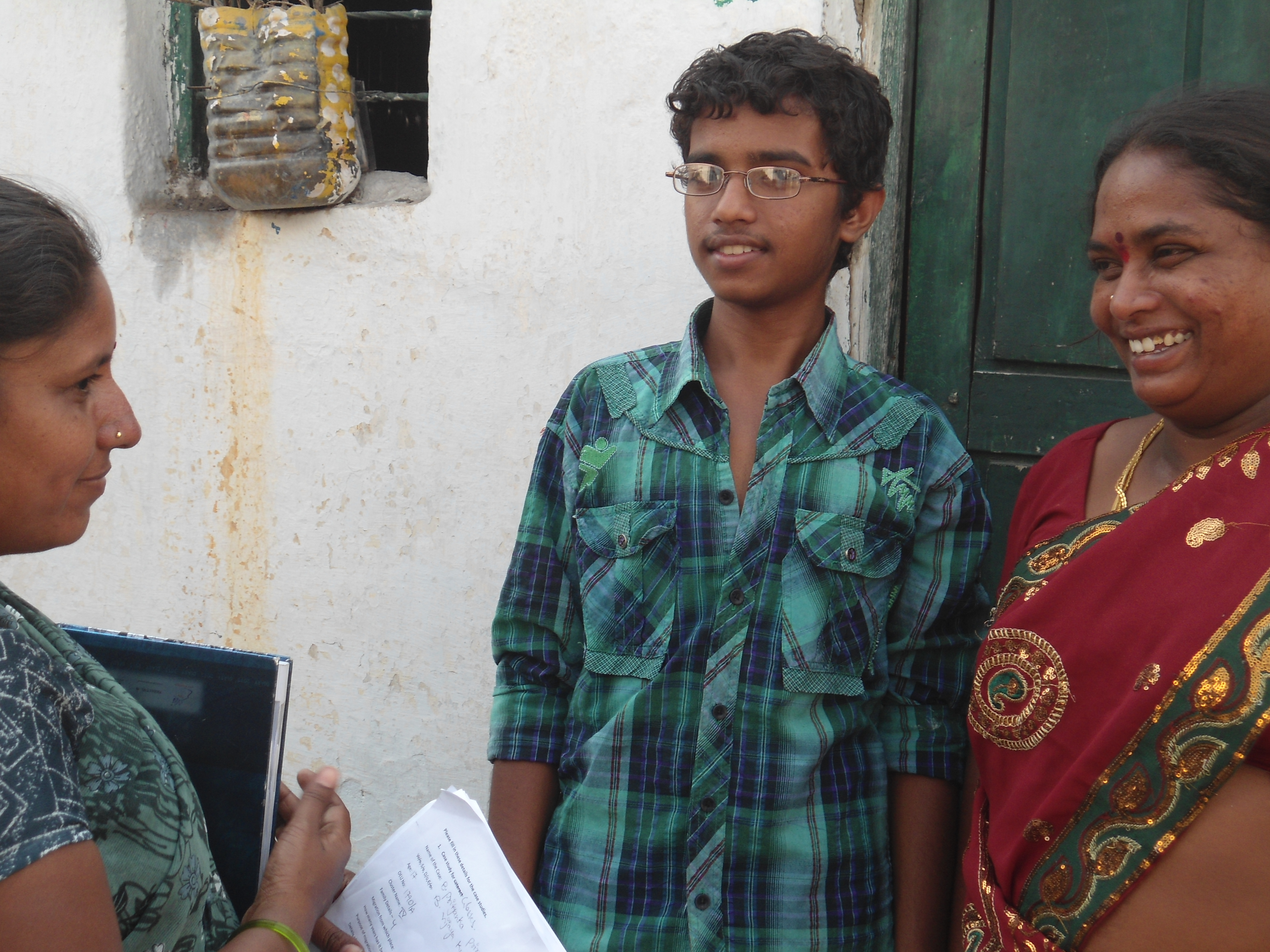
The decline in performance was not without reason: Mahesh found it extremely difficult to read the blackboard in school, and found it challenging to write in dim light. He didn’t want to worry his mother, knowing Sailu would struggle to find money for treatment.
Fortunately, Mahesh attended a school located in an area where Operation Eyesight was promoting eye screening for all students. A community health worker identified Mahesh’s eye problem, and brought him to the local vision centre, where he was diagnosed with uncorrected refractive error and prescribed eyeglasses. Considering his family’s economic status, he was given a pair of brand-new, custom-fitted glasses completely free of cost, thanks to Operation Eyesight’s generous donors.
Today, Mahesh is able to read and write without difficulty. He is preparing for his examinations and has regained confidence that he will do well in his studies and have a bright future.
But that’s not all! When the school principal learned about Mahesh’s story, he requested that the project team screen all the students in his school. The happy result: three of Mahesh’s schoolmates were diagnosed with uncorrected refractive errors – and they have also been provided with eyeglasses!
You can help other students, too. A $20 gift will provide three children with custom-fitted prescription eyeglasses. With the school year coming to a close here in Canada, please consider making a tribute gift in honour of your child’s teacher. It’s a great way to say “thank you,” and at the same time help students in India and Africa see a bright future!
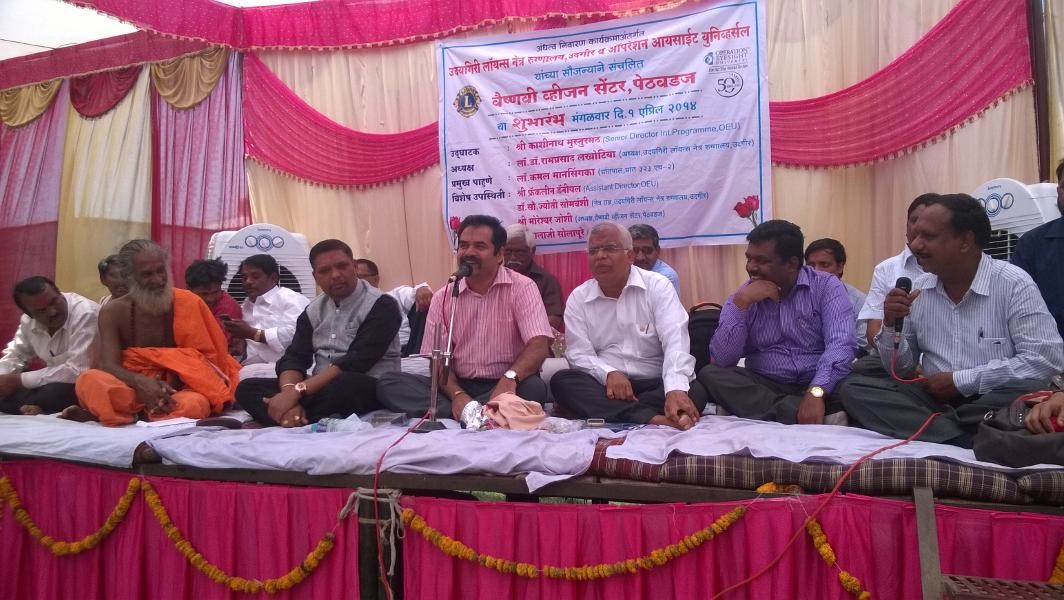
A sense of déjà vu was in the air as I travelled on bumpy roads in the dry heat of the Indian summer. The landscape was desolate and arid, with the temperature reaching 40 C in the shade. However, the anticipation of visiting one of our first non-financial technical partners made the heat and bad road conditions almost unnoticeable.
Recently, I spoke with Dr. Oscar Debrah, head of the Eye Care Unit at Ghana Health Service. Operation Eyesight is working to eliminate avoidable blindness in Ghana through the Seeing is Believing program, a partnership with Standard Chartered Bank. As we are working with Dr. Debrah to implement this program, I questioned him on the progress being made.
What is the current state of eye health delivery in Ghana?
We recognize that our government alone cannot fund the delivery of eye health services. However, in a developing country like ours, where donor funding is mostly geared towards reproductive health, HIV/AIDS, malaria and tuberculosis, quality eye health delivery is a challenge.
Even though I’m happy to see NGOs supporting eye health, in the case of Ghana, some officials see eye health as the responsibility of NGOs. The government provides infrastructure and pays the salaries of public eye health workers, but very little funding is provided for service delivery.
When I assumed my current position in 2006, there were many challenges regarding infrastructure and equipment, access to eye services and staffing. With the employment of optometrists by the Ghana Health Service (though minimal) and an increase in the yearly training of ophthalmic nurses, the staffing situation has improved. The number of ophthalmologists, however, has not.
With Operation Eyesight providing select facilities with basic ophthalmic equipment, some hospitals are well positioned to function. And you have made modest gains in constructing and renovating some eye units. However, infrastructure continues to be a challenge in some hospitals where eye units continue to work out of small rooms.
How do you view the work of Operation Eyesight in Ghana?
Operation Eyesight’s approach of integrating primary eye care into primary health care is commendable as it provides easy access to eye health services. You have done tremendous work in providing refresher training for ophthalmic nurses and equipment technicians, as well as providing some equipment and infrastructure.
Is Ghana on course to achieve VISION 2020’s objectives?
Ghana hopes to achieve VISION 2020, but efforts need to be intensified. Some hospitals still do not have ophthalmic nurses and have very low cataract surgery rates. Training of ophthalmologists also needs to be looked into so those coming out of training will have the expertise and confidence to practice and be posted to deprived areas.
Ghana recently made news headlines when it was declared the leading country in glaucoma cases worldwide. What are the Ghana Health Service and Ministry of Health’s plans to deal with this situation?
Efforts have been made to distribute equipment for diagnosing glaucoma to all teaching and regional hospitals, as well as to select district hospitals. The government also supports the annual Glaucoma Week.
We need to increase glaucoma awareness throughout the country so that everyone knows about the disease and will get their eyes checked. That way, those diagnosed can receive early treatment and reduce their risk of going blind from the disease.
Any final words?
The Government of Ghana is grateful to Operation Eyesight and Seeing is Believing for equipping many hospitals and making every effort to integrate eye health into primary health care!
We are grateful to Dr. Debrah, too – for taking the time to answer our questions, and for his dedication to eliminating avoidable blindness in Ghana! To learn more about the work Operation Eyesight is doing in Ghana, visit the Programs & Projects page on our website.
Remember taking Flintstones Complete vitamins as a kid? And I’m sure you’ve seen those princess and superhero vitamin gummies you can buy for children nowadays.
We Canadians have convenient access to inexpensive multivitamins; it can be easy to take those gummies or capsules we give our kids every morning for granted.
As parents, we understand that healthy and nutritious foods are important to a child’s mental and physical development. For the most part, our children are fortunate enough to consume sufficient amounts of vitamins and nutrients through their diet.
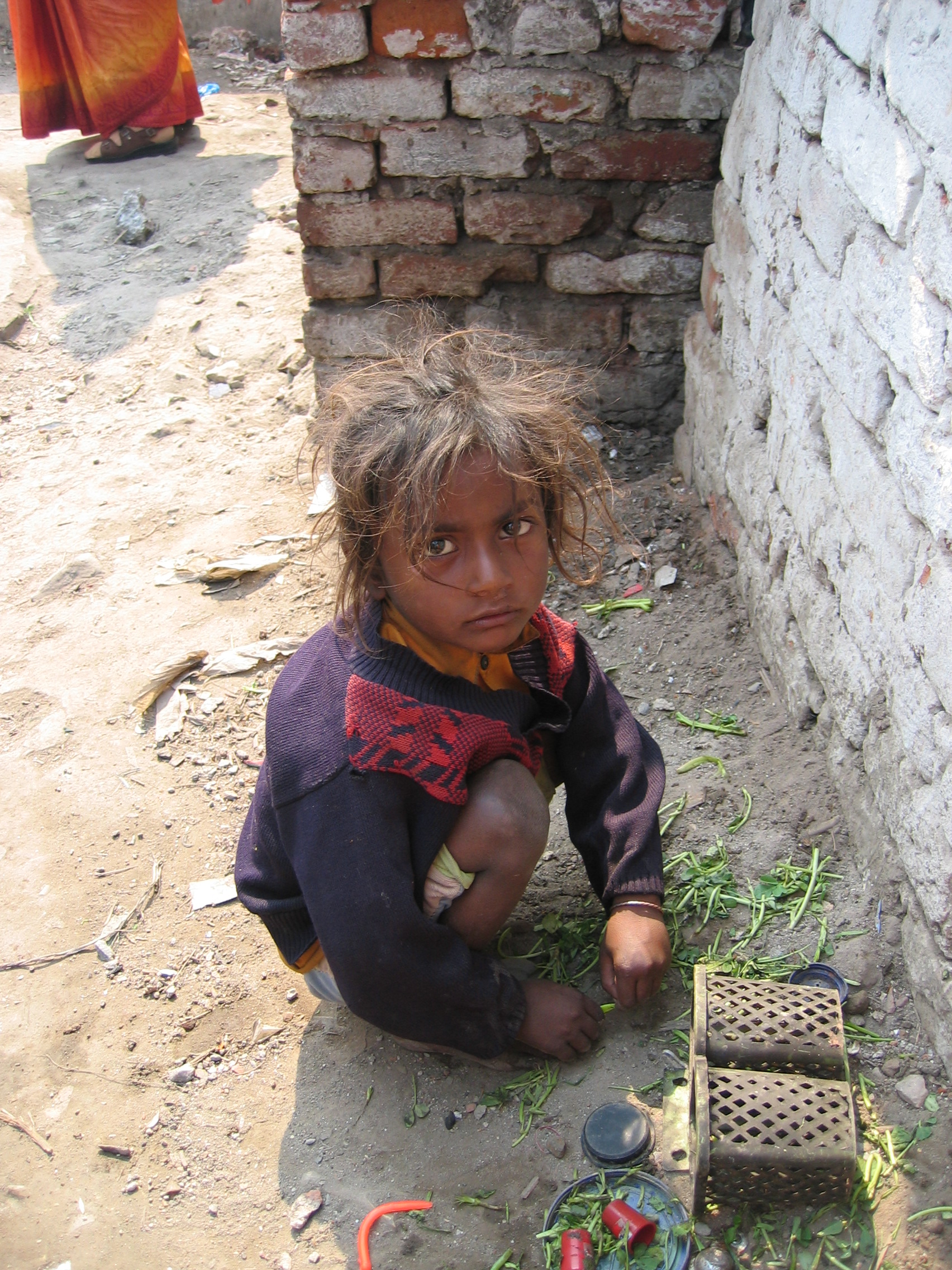
Yet millions of children in developing countries suffer from malnutrition, their diets lacking several essential vitamins – particularly vitamin A, which is needed to promote good eye health. An estimated 190 million children under the age of five suffer from vitamin A deficiency (VAD).
VAD is the leading cause of preventable blindness in children in developing countries. The World Health Organization (WHO) estimates that up to 500,000 children go blind each year as a result of this condition. Sadly, half of those children die within 12 months of going blind.
Operation Eyesight is fighting to eliminate avoidable blindness in India, where a staggering 37 percent of the world’s vitamin A-deficient children reside. According to Government of India statistics provided to the WHO, 62 percent of all preschool-aged children in India do not get enough of the vitamin. But that figure can be reduced through the effective distribution of supplements.
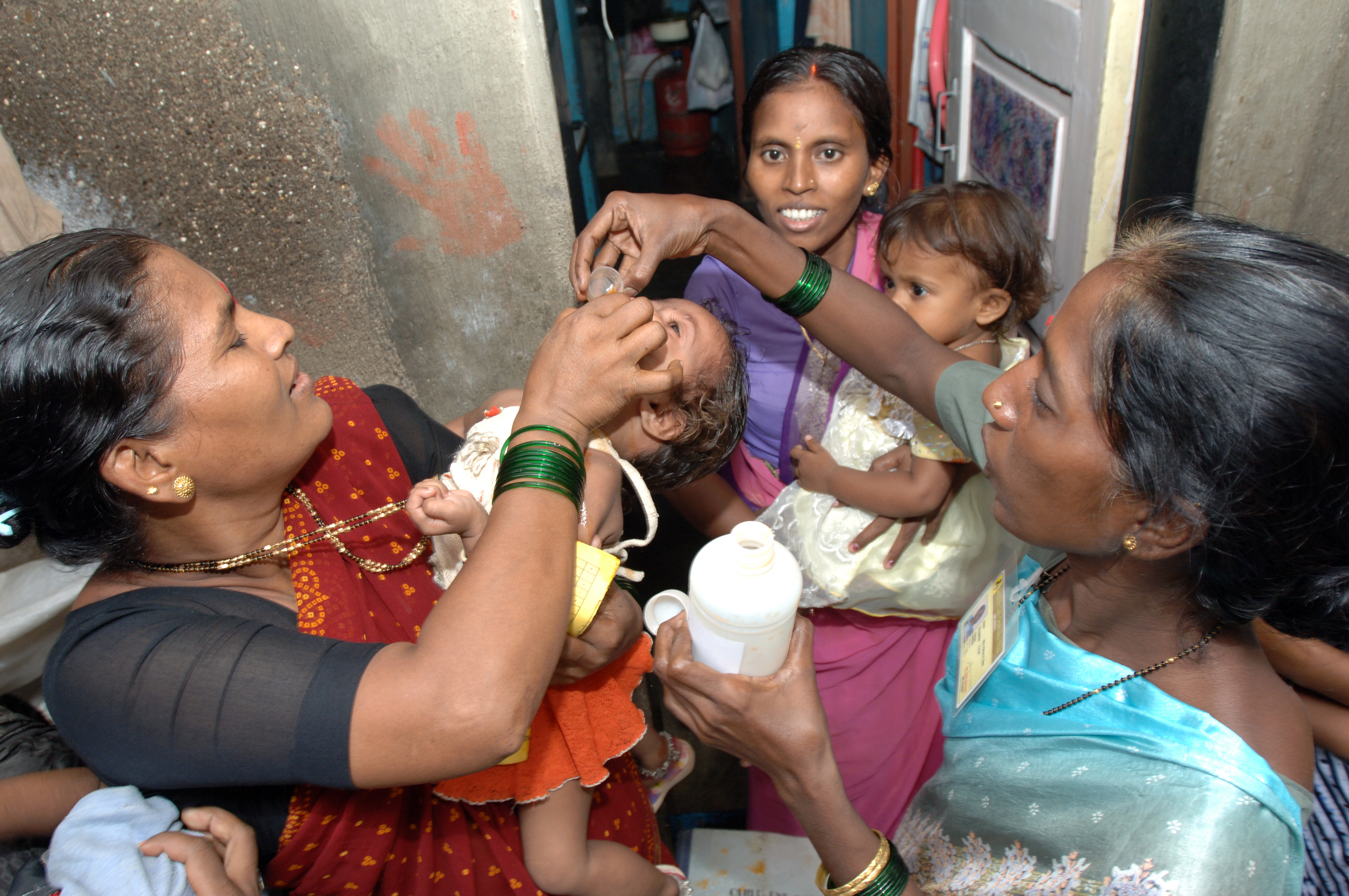
The WHO recommends that children between the ages of six months and five years receive one dose of vitamin A every six months. Although the Indian government launched a supplementation program in the 1970s to implement this, program coverage has been dismal and an estimated one-third of eligible children will go unreached.
Through Operation Eyesight’s Hospital Based Community Eye Health projects in India, community health workers identify an average of 150 to 200 children per program with VAD. Health workers ensure that all children identified are referred to government service centres to receive doses of vitamin A.
In addition, Operation Eyesight works with our fellow international NGO, Vitamin Angels, to provide hospital partners with vitamin A capsules free of charge, and to reach out to remote communities where the government is not providing supplements.
Not only does vitamin A prevent childhood blindness, it also prevents repeated childhood infections, such as diarrhea, upper respiratory tract infections and post-measles infections, by improving a child’s immunity. With sufficient levels of vitamin A, a child’s survival rate increases by 24 percent.
The right vitamins and minerals can aid us in the fight to eliminate avoidable blindness and help children see a brighter future! We hope the next time you find yourself down the vitamin aisle at the drugstore or planning out your meals for the next day, you will pause and reflect on how fortunate we are to have this precious vitamin in our lives.
We are keeping our eyes on another potential solution to VAD: a genetically engineered rice that helps combat blindness and death in children. You can read more about this crop here.
Special thanks to our colleagues at Vitamin Angels for some of the material in this article.