

Have you ever heard of Majuli Island? It’s no great surprise if you haven’t. It’s located in the Brahmaputra River in India’s remote northeastern state of Assam.
Because of its isolation, the island had extremely limited health facilities, and no eye health care at all for its 150,000 people. In 2012, Operation Eyesight launched a hospital-based community eye health project there.
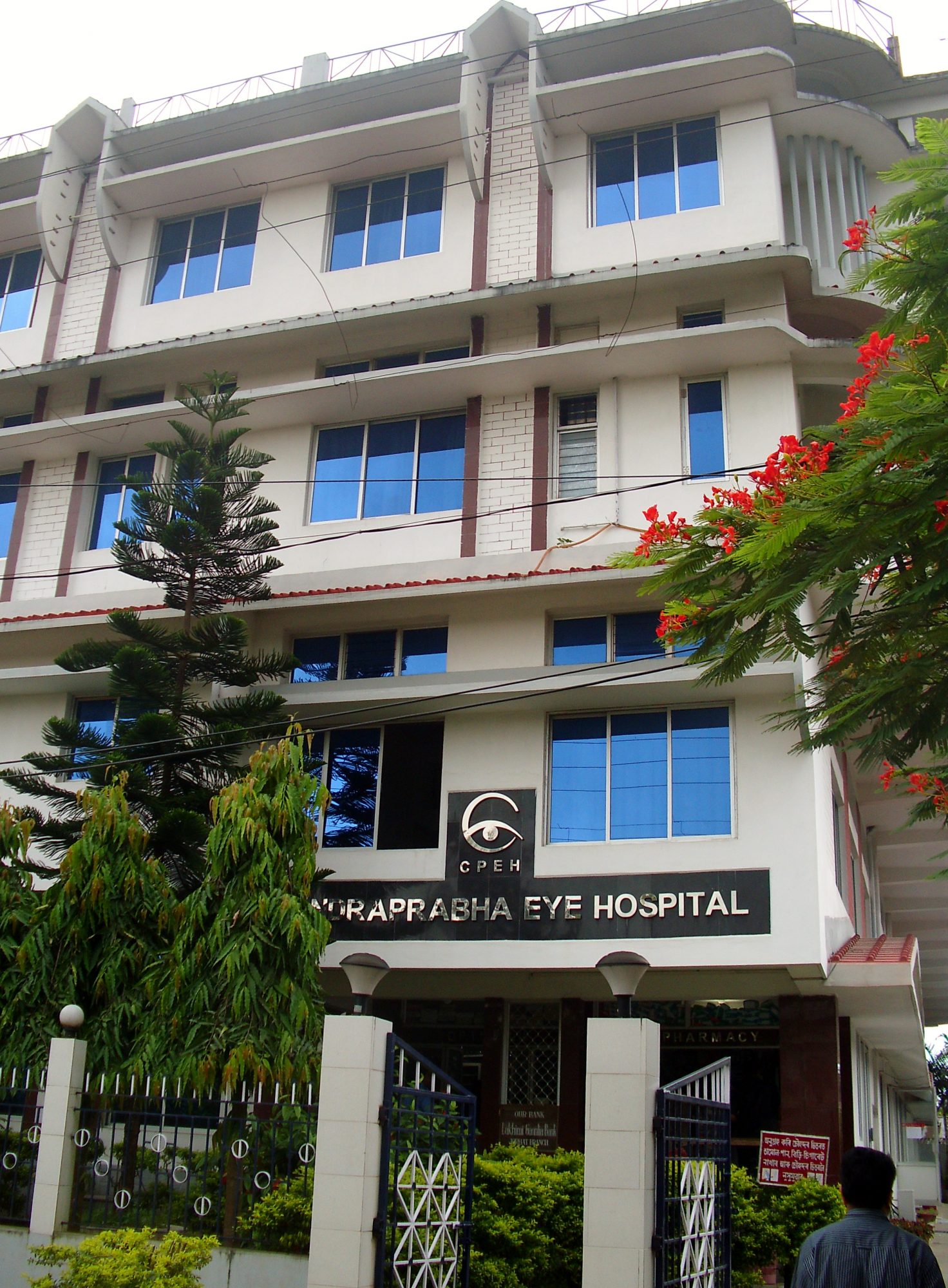
Located south of Majuli Island is the city of Jorhat, where our partner Chandra Prabha Eye Hospital is based. Together, we share the mission of ensuring that nobody should be blind because they are poor or because they live too far from a hospital or a doctor. That shared mission, made possible by our generous donors, was what brought us to Majuli Island.
The island is battered by floods three months of the year, cutting off the twice-daily ferry that is the only transportation to the mainland. Its residents face significant erosion of their home. These were just some of the physical factors the new eye health project had to overcome.
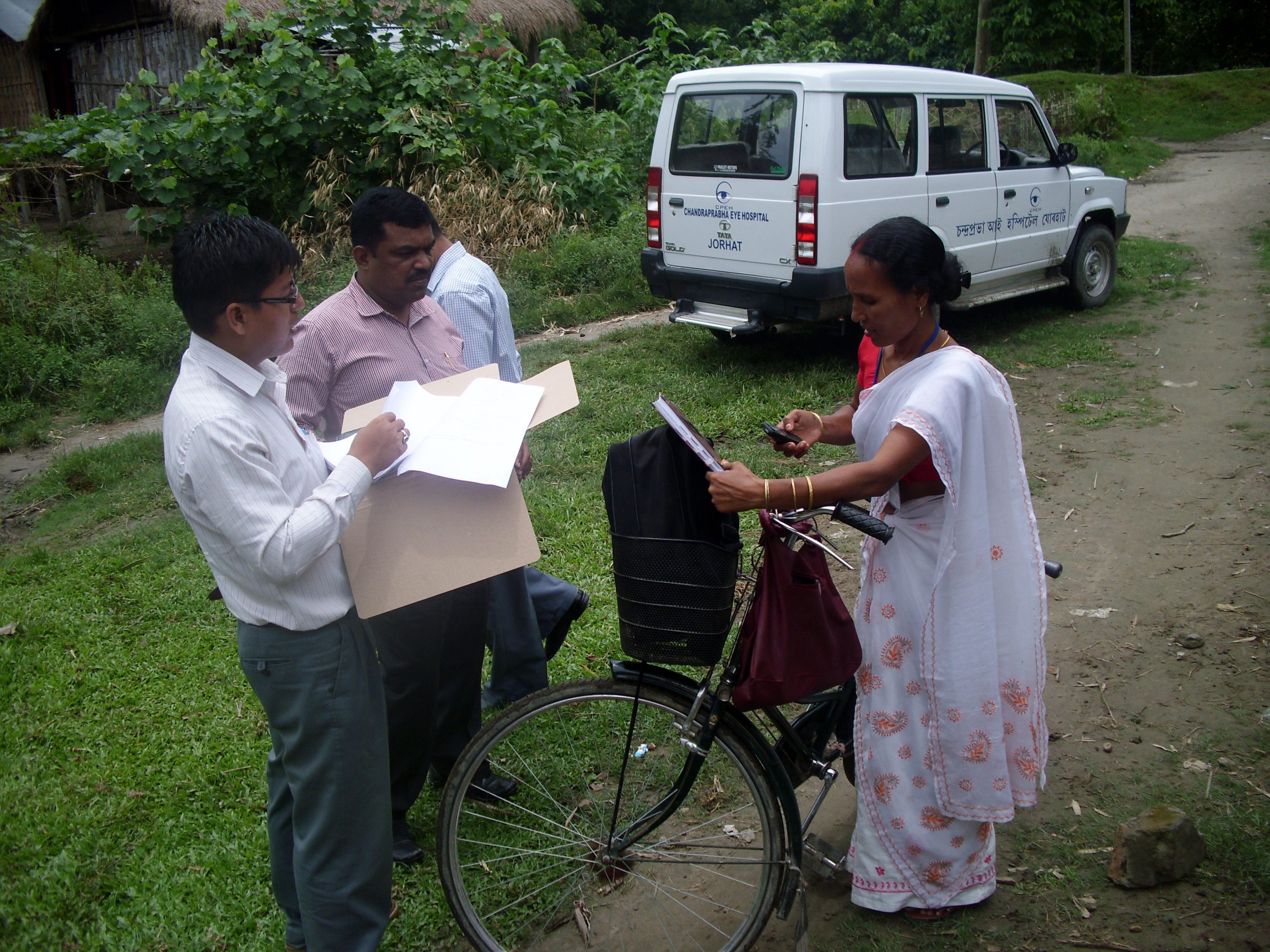
The project’s first phase involved recruiting staff, including 10 local community health workers, and conducting door-to-door surveys. This comprehensive study discovered that a shocking six percent of the island’s total population suffered from cataracts, and another six percent had other blinding conditions.
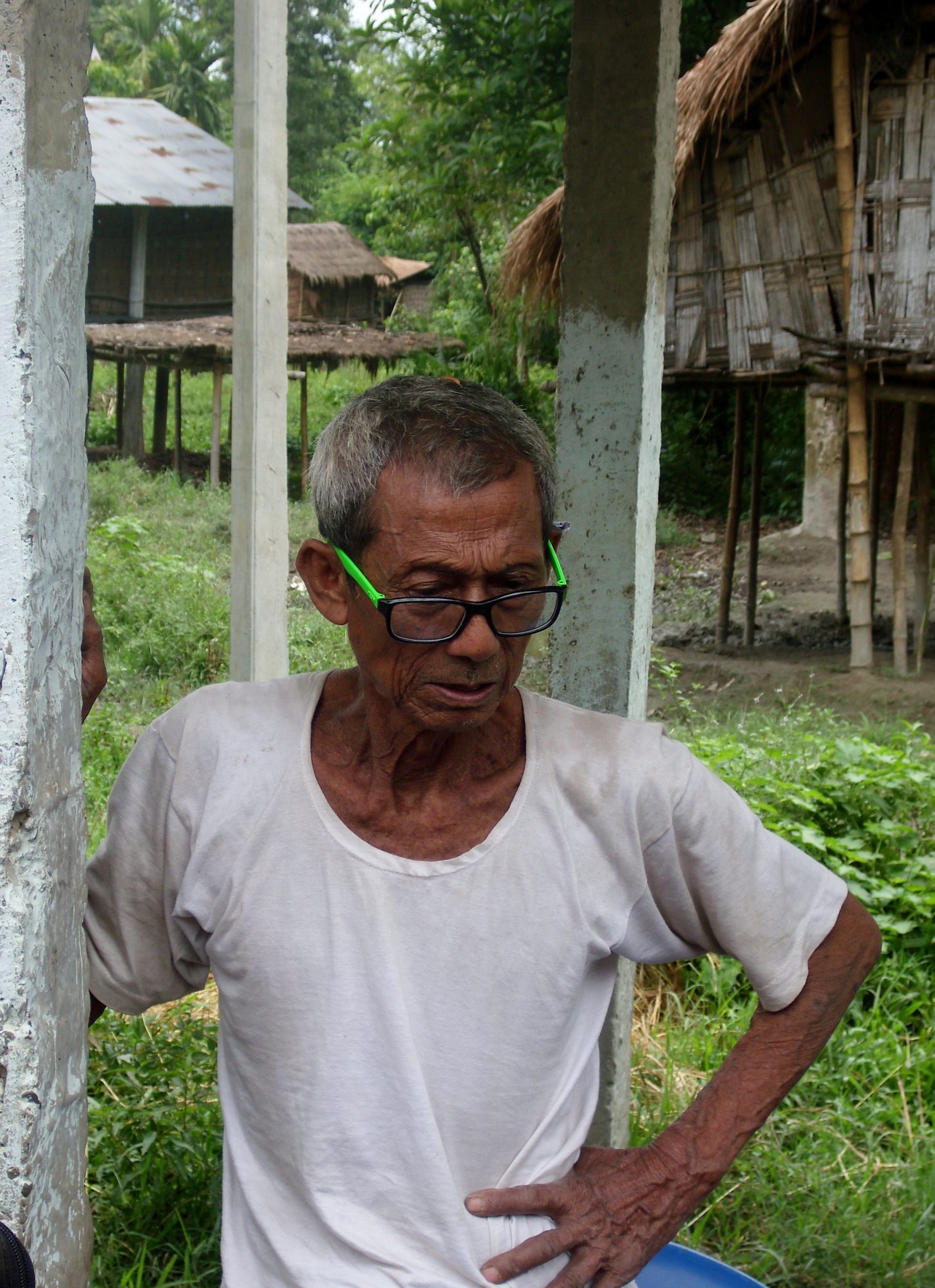
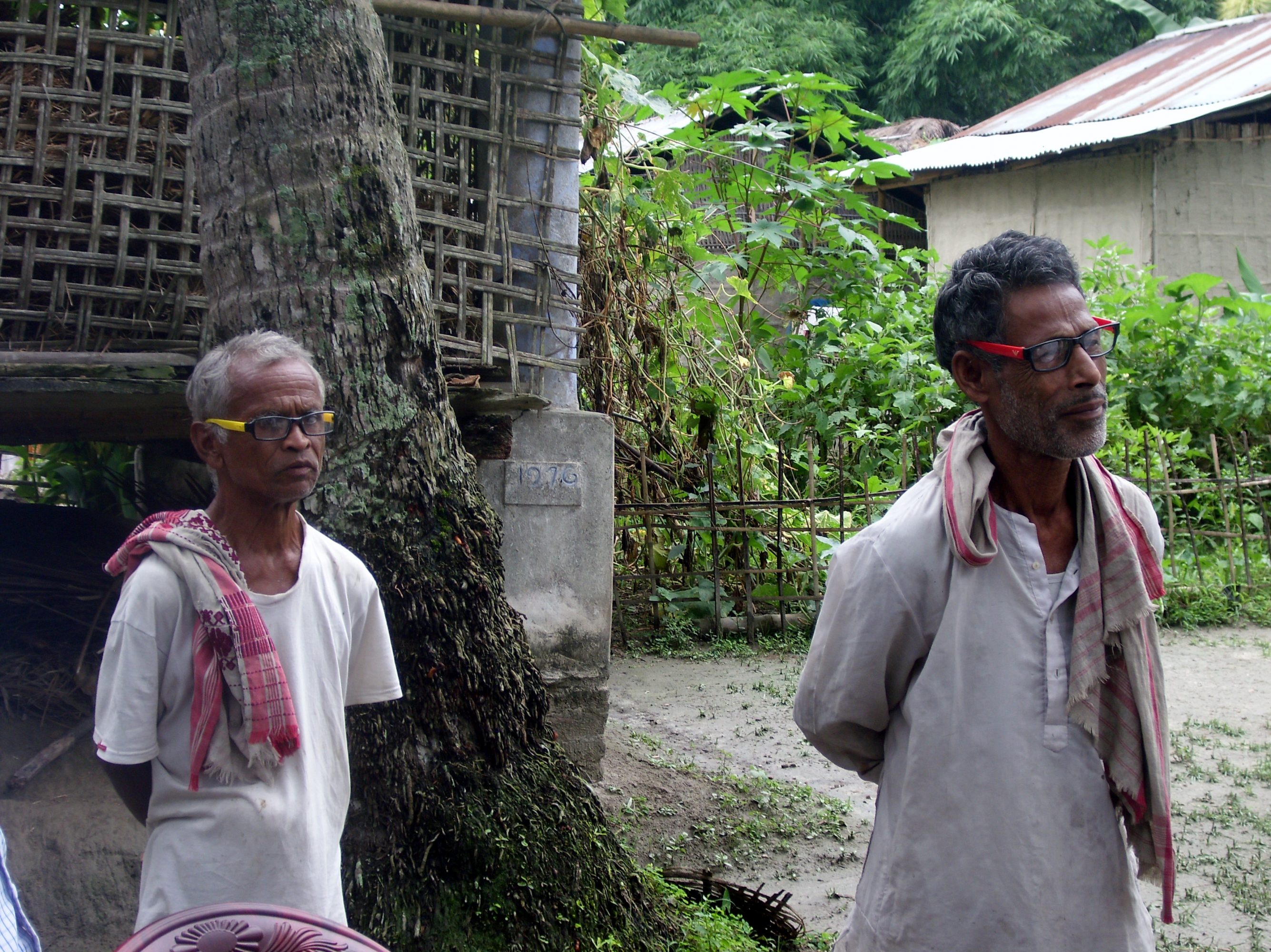
As a result, two vision centres were permanently established on the island, manned by trained vision technicians. These centres are open for walk-in visits, comprehensive eye exams and the distribution of eyeglasses. They provide referrals for surgery and care at Chandra Prabha, which supplies treatment for all Majuli islanders, regardless of their ability to pay.
There is still much work to be done, such as increasing immunization coverage to 100 percent, eliminating vitamin A deficiency blindness and ensuring that women receive ante-natal and post-natal care. Our donors should be proud that they have brought sight and hope to Majuli Island!
Want to learn more about how our donors are saving sight and providing hope in the developing world? Read our Sightlines newsletter here.
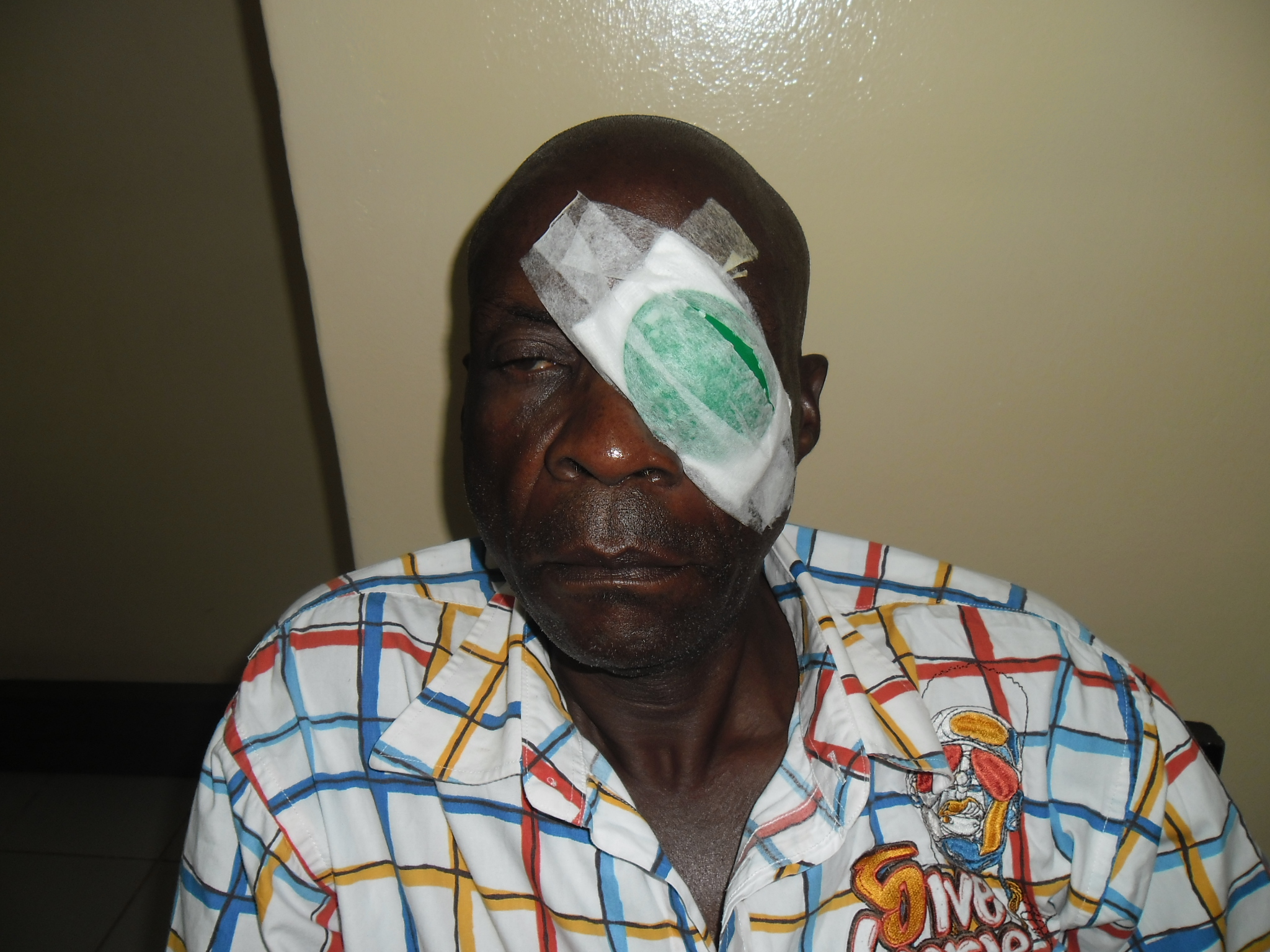
“It was hell” is how Thomas Chakalela describes his life after losing his vision to cataracts.
It was bad enough when complications from diabetes resulted in the amputation of his left leg. But things got worse for the Zambian farmer when, shortly after the amputation, he gradually lost his vision. He was forced to retire from the farm he’d worked for ten years and unable to perform even the simplest of daily activities.
To Thomas, his future seemed blank. His wife could not do anything other than help care for him, and his blindness affected his work, his business and his family. He thought he would never see again.
Because of Operation Eyesight’s generous donors, that did not prove to be the case! When attending Chongwe District Hospital for physiotherapy, a nurse there diagnosed his cataracts and referred him to the University Teaching Hospital (UTH) eye clinic, located in Zambia’s capital Lusaka, about 64 kilometres away from Thomas’ home. The hospital has been a valued Operation Eyesight partner since 2004.
Now Thomas has had both his cataracts removed, and his life no longer seems so bleak. “I feel like I was born today!” he told our staff. Now Thomas has his independence back, is again running his farm, and also helps pay for local orphans to attend school.
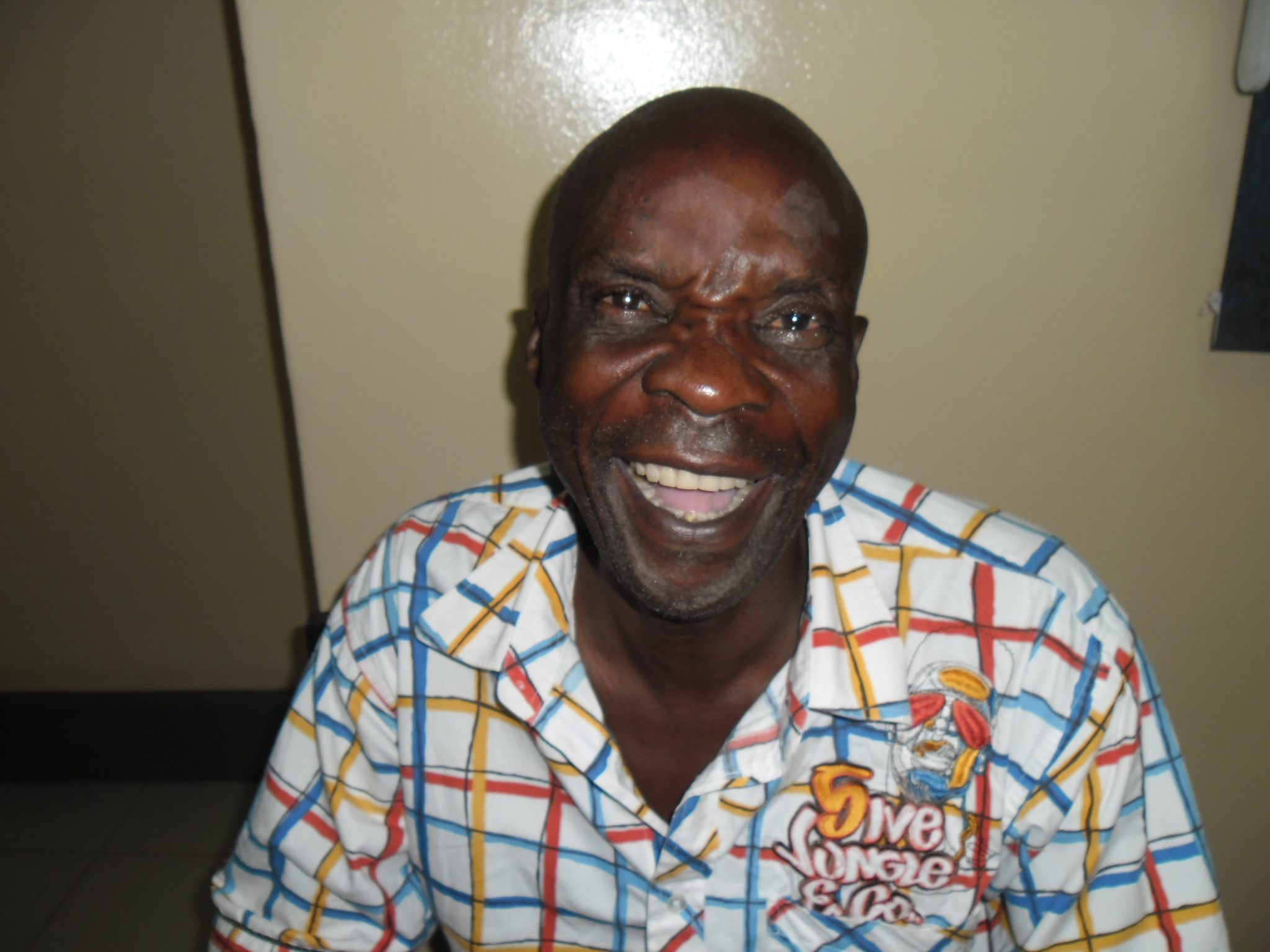
For the staff at UTH, Thomas has high praise. “They did a tremendous job. The doctor is marvelous.” And to the Canadians and other donors who made his surgery possible? “I am grateful,” he says. “Please keep supporting people like me. May the good Lord add more years to your life so that you may live longer to see the many people you are helping!”
Although many people without diabetes get cataracts, it’s estimated that people with diabetes are 60 percent more likely to develop them. People with diabetes are also most likely to get cataracts at a younger age, and have them progress faster. The cause for this isn’t yet known, but regular eye exams are the best way to diagnose cataracts and other problems. Be sure to get your eyes tested regularly!
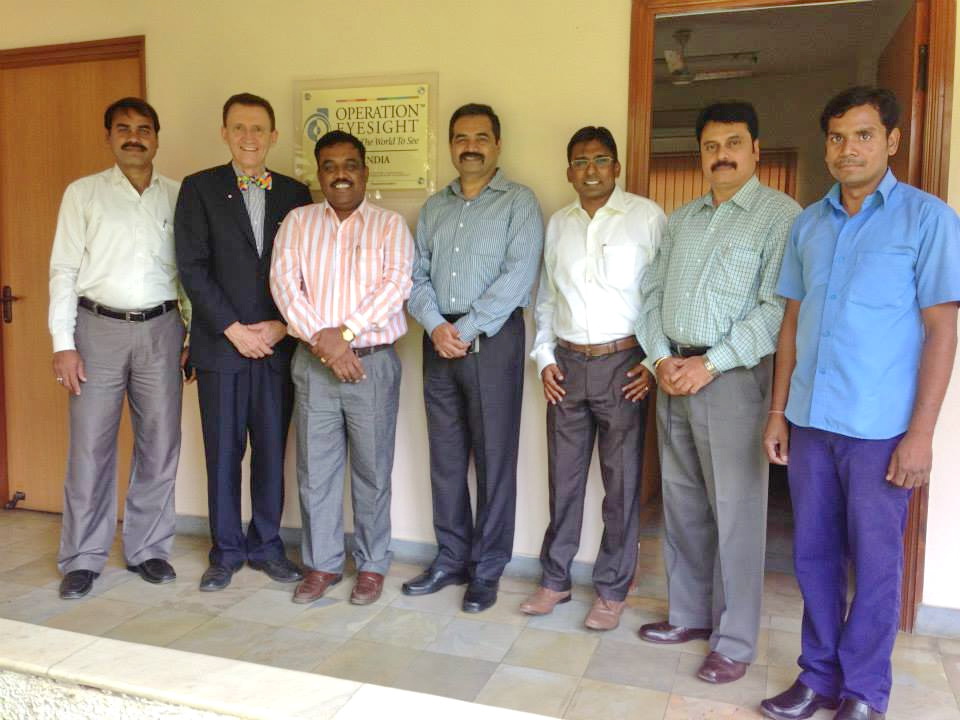
We are continuously amazed by the dedication and passion of all of our donors. Today, we’d like tell you about one of our loyal supporters, Brian Lee.
Brian is a Certified Speaking Professional known for his expertise in improving the patient experience in hospitals and health clinics. We were delighted when he approached us last fall and offered to donate his services to Operation Eyesight.
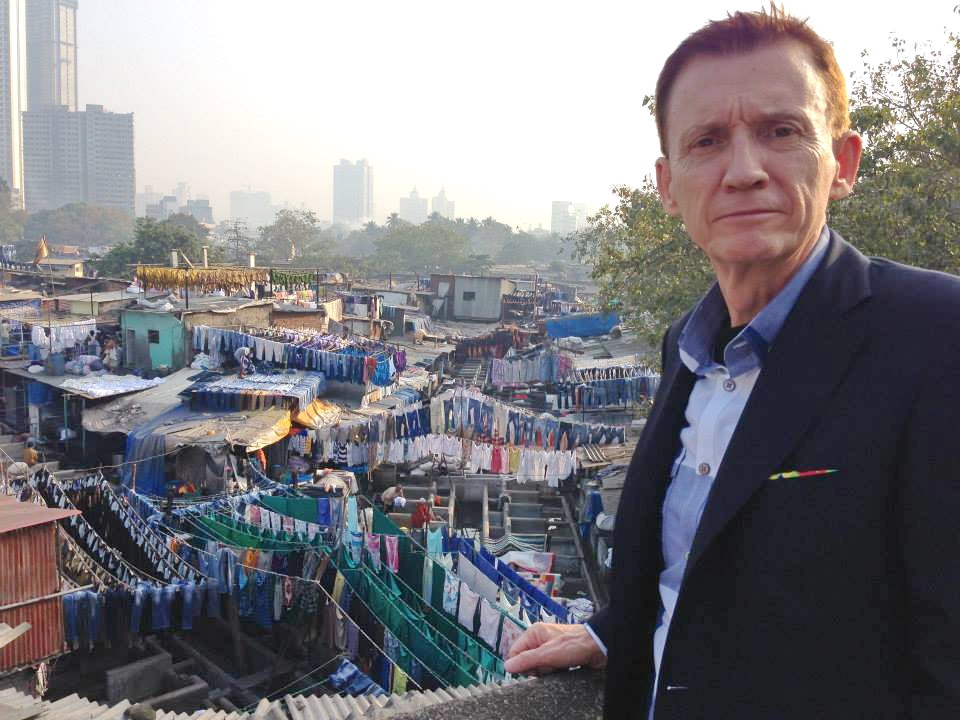
In December 2013, Brian set out on a personally-funded trip to meet our international staff. He spent 10 days in India and a week in Ghana. He delivered seven presentations, speaking to hospital staff and community health workers on how to provide a caring, compassionate experience to patients.
He shared his belief that Operation Eyesight’s work – and the work of its partners – is not just about eliminating blindness and preventing loss of sight; it’s also about the patient experience.
Why? In order for the hospitals Operation Eyesight supports to be successful – in order for them to provide free treatment to those who cannot afford to pay – they need to attract paying patients so they can generate revenue to offset some of their operating costs. This is called cross subsidization.
Over time, the goal is for Operation Eyesight-supported hospitals and programs to become less dependent on external funding by charging user fees to those who can afford to pay. It is this model of cost-recovery that helps our partners build the capacity to serve their own people in a sustainable manner. However, we must emphasize that no one will ever be turned away from our eye care programs because they cannot pay.
For example, our partner LV Prasad Eye Institute in Hyderabad, India works to ensure that 50 percent of their services go to those who cannot afford to pay. They monitor their cost-recovery system closely, allowing them to provide quality, sustainable services to all of their patients. Operation Eyesight has also adopted this model.
Brian reiterated that health care organizations cannot focus solely on clinic care; they need to transform themselves to be patient-driven.
“Patients don’t care about the clinic as a whole,” he says. “They care about their personal experience. And a positive personal experience will attract paying patients, allowing not-for-profit health care to compete with for-profit health care.”
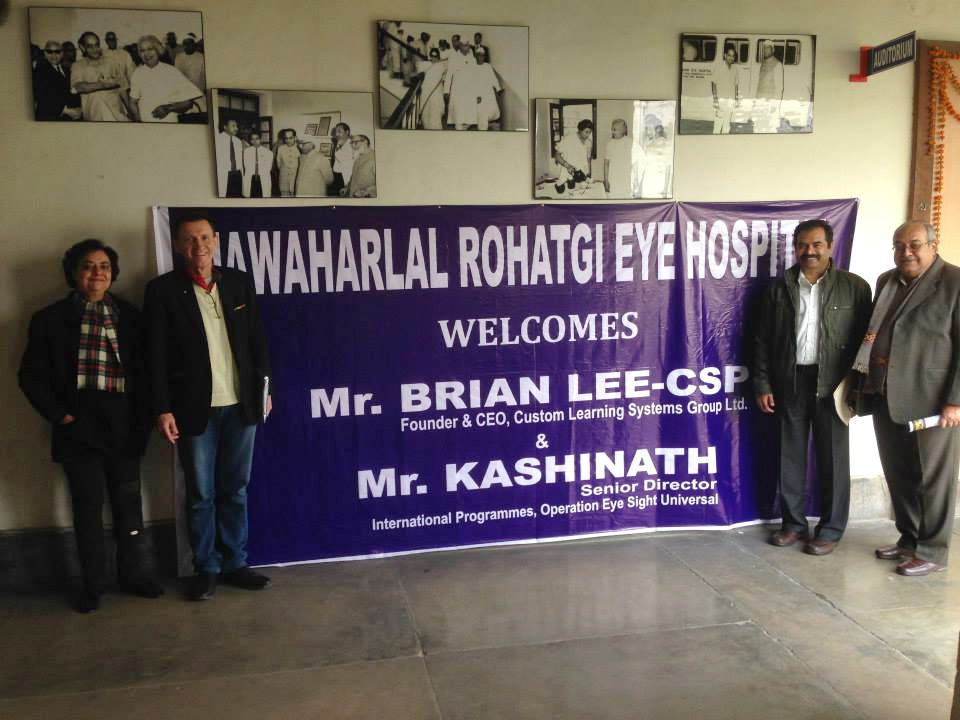
Brian spent time visiting various hospitals and villages and observing Operation Eyesight’s work.
“I spoke with a staff member who works with VIPs,” explains Brian. “He told me that a man committed to sending monthly cheques to the hospital because of his satisfaction with his experience.”
Brian was impressed with Operation Eyesight’s high-calibre staff.
“I thought staff were very innovative and creative in their delivery and development,” says Brian. “For them, it’s more than just a job; it’s a calling.”
Thank you to our international staff for the incredible work they do every day! And a big thank you to Brian Lee for donating his time and sharing his expertise with Operation Eyesight! You can read more about Brian’s trip in our latest SightLines newsletter.
Many of our supporters across the globe are celebrating Easter this weekend. On behalf of all of us at Operation Eyesight, I would like to wish you a happy and fun-filled Easter. May you have a wonderful time celebrating with your family and friends. And for those of us in the northern hemisphere, our best wishes for a joyous spring!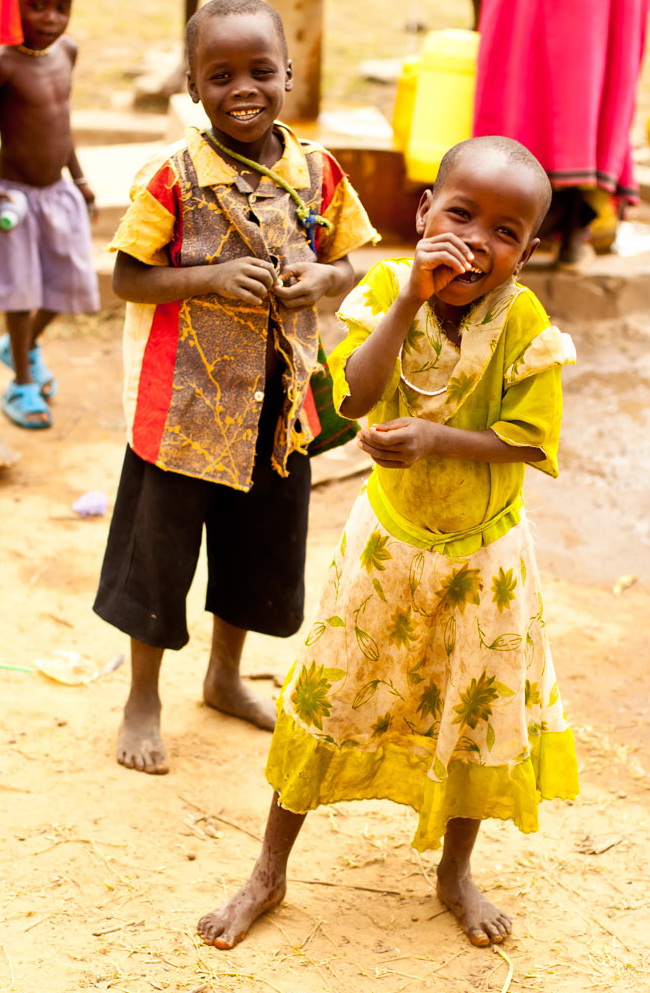
“If you don't know where you are going, you'll end up someplace else,” said American baseball player Yogi Berra – a man as famous for his confusing quips as for his sports abilities.
However, that statement might also represent the damage that lack of awareness can cause – and indeed, has caused! – in preventing blindness. If you don’t know what eye care options are available, how can you help yourself?
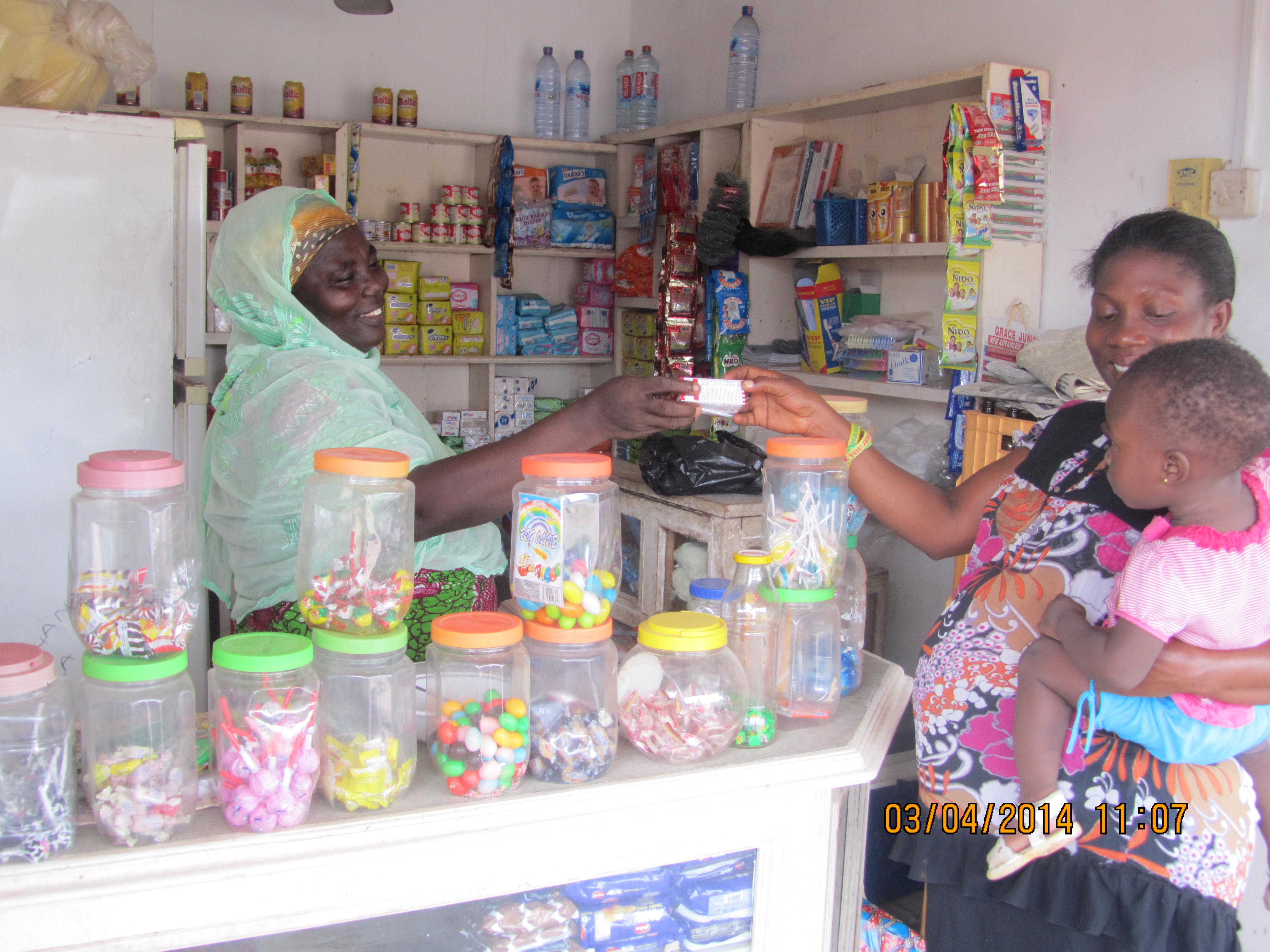
Take Asana for example. Asana, 57, lives with her husband Issah and their children in the town of Kasoa in Ghana’s Central region. Asana and Issah are comfortably middle class, enjoying an income from their rental properties. Issah is retired from his career as a carpenter, while Asana operates a provision shop (what Canadians would call a convenience store).
There was one big problem: Asana’s left eye suffered an accident a few years ago, when she was hit in the face by a hanging waist belt. Within a year, she started experiencing vision problems as a cataract formed in that eye due to the trauma. However, as long as she could see with her right eye, she managed to cope.
Then, to her dismay, she started to experience blurriness and loss of vision in her right eye too. Her vision became poor – so poor that she was forced to ask one of her daughters to manage her shop.
Asana became very alarmed. She and Issah visited a hospital in the Accra district, where she was diagnosed with bilateral cataracts. However, as is common in Ghana, the hospital didn’t have an ophthalmologist or cataract surgeon, or equipment to perform eye surgery. Asana was referred to another hospital some distance away.
Tired and discouraged, Asana and Issah were on the way home, when suddenly Issah saw a signpost for Watborg Eye Services. They decided to stop there before making the journey to the other, more distant hospital.
Issah and Asana didn’t know it at the time, but they had made a very good decision. Built in 2012 by Operation Eyesight’s generous donors, Watborg Eye Services is a high quality surgical eye hospital that serves about one million residents in the region.
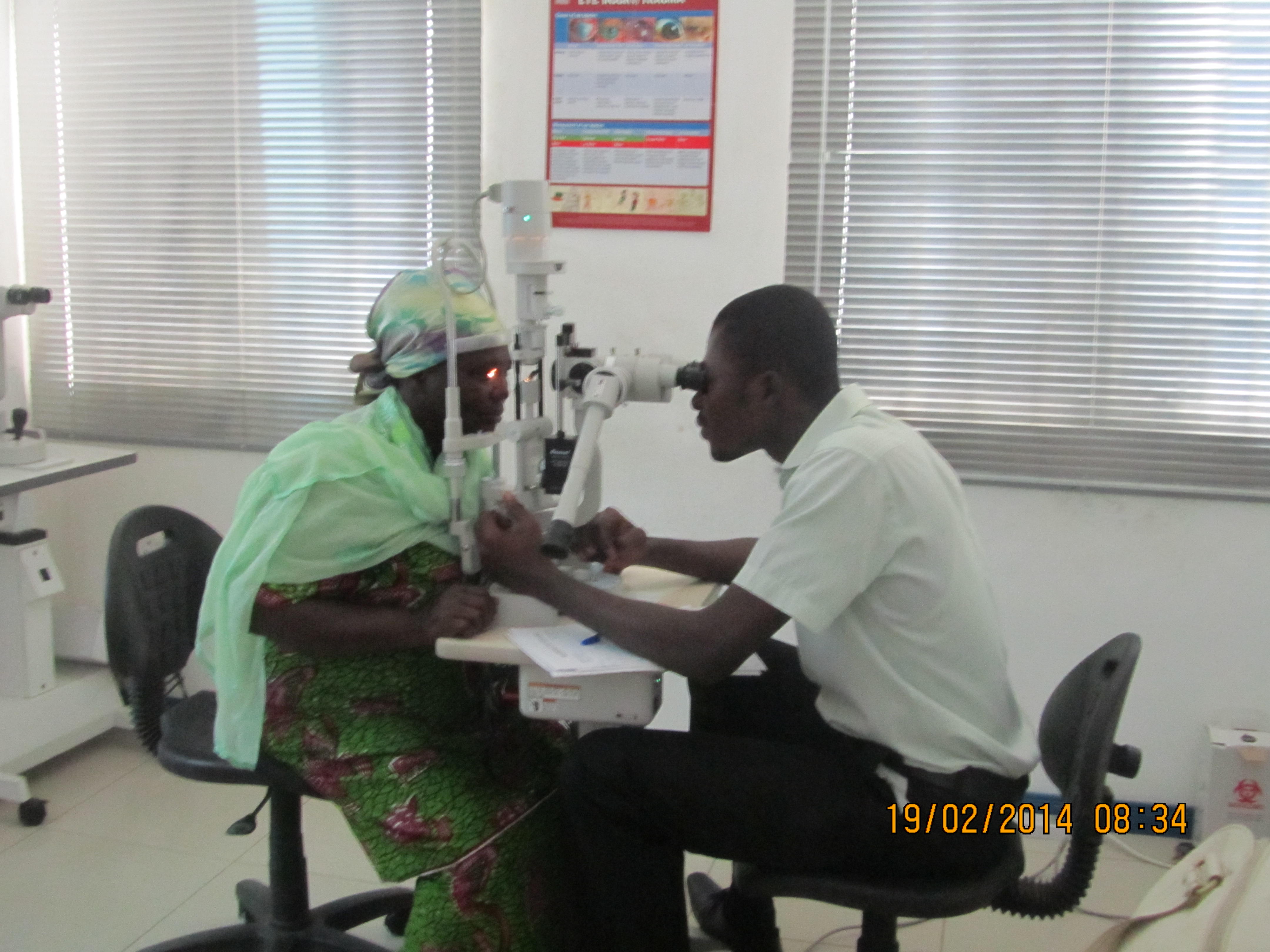
At Watborg, optometrist Rasheed Quainoo discovered Asana could only count fingers held in front of her at a half-meter length (less than 20 inches). He diagnosed her with cataracts in both eyes, and recommended surgery. He told Asana and Issah that like all Operation Eyesight’s hospital partners, Watborg’s services are free for those who are unable to pay, and cost-recovery for those who can afford it. Recognizing their own relative wealth, the couple paid the fee for surgery.
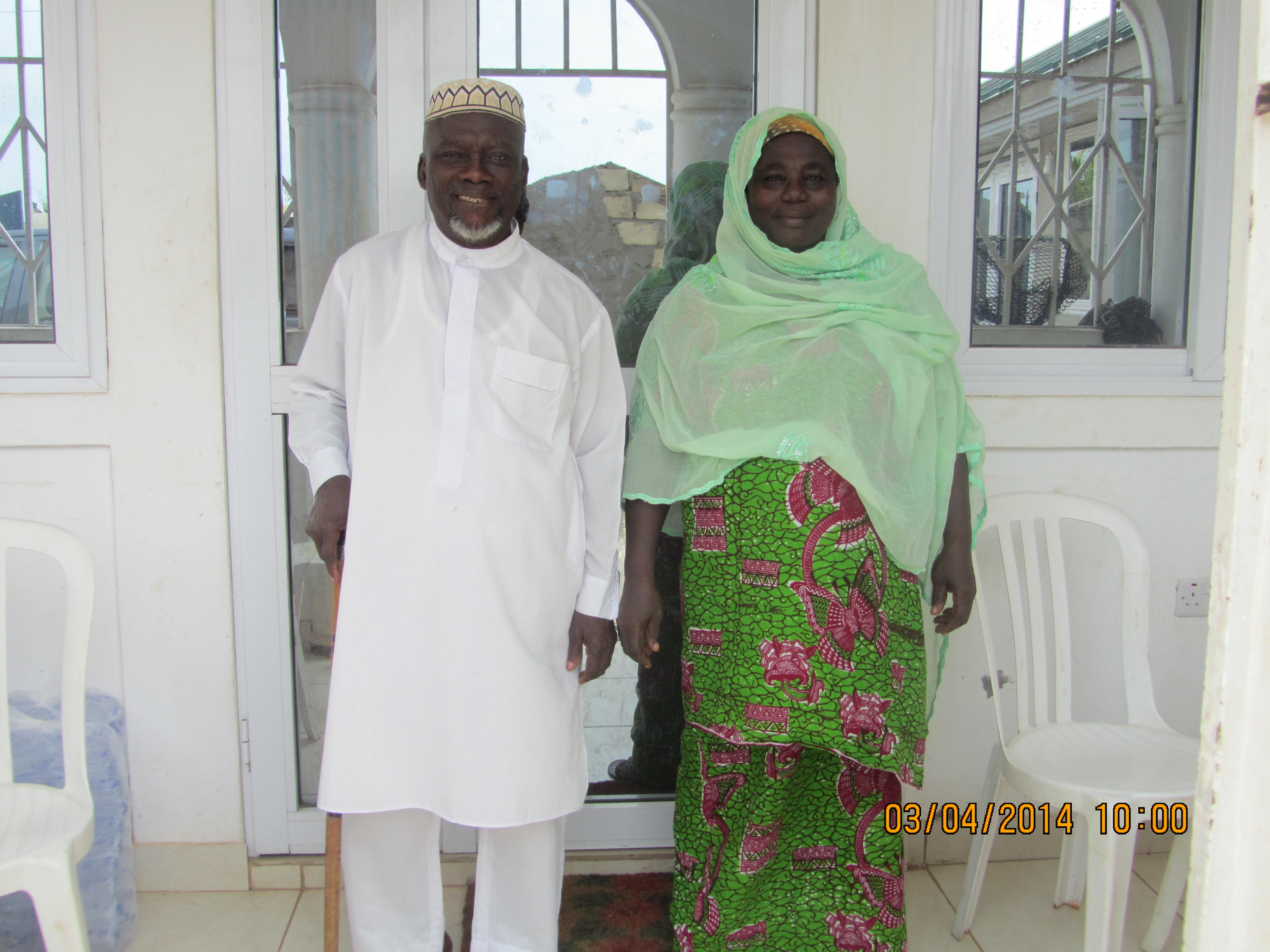
Good news! After surgery on both eyes, Asana’s vision returned to an excellent state. With her sight restored, she is now back managing her shop and selling to her community as before. She has recommended Watborg to friends and family, some of whom have started accessing these local eye health services.
Asana and Issah are grateful for Operation Eyesight’s donors who built Watborg Eye Services in their region, and delighted that they discovered this quality eye hospital, literally on the side of the road. Their experience might echo another wisecrack from Yogi Berra, “When you come to a fork in the road, take it.”
Read more about our work at Watborg here.
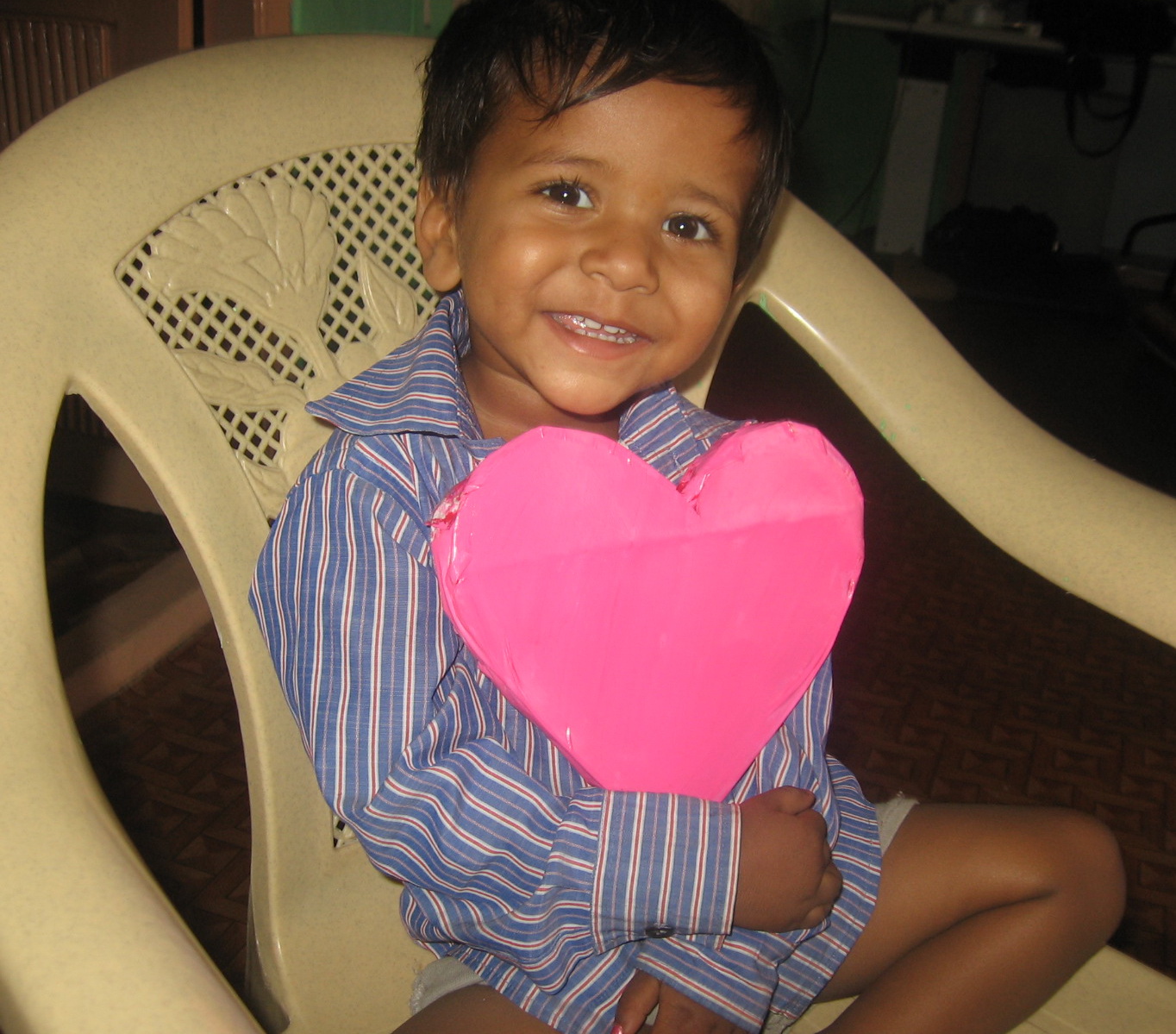
At Operation Eyesight, we are so grateful for our volunteers. Today we want to say “thank you” and “happy birthday” to one of our wonderful volunteers, Sylvia Constable!
Sylvia – who just celebrated her 72nd birthday yesterday! – has been volunteering with Operation Eyesight since she retired from nursing seven years ago. She visits our head office in Calgary every week to help fold tax receipts, write thank you cards and do filing as needed.
“Operation Eyesight is a very good organization to volunteer with,” says Sylvia. “I’ve always found everyone friendly and welcoming.”
Sylvia has been a loyal supporter since Operation Eyesight’s inception 50 years ago. She was a member of the First Baptist Church of Calgary when Art Jenkyns, our founder, invited Dr. Ben Gullison to speak to their group about his work in Sompeta, India. It was Sylvia’s very own church that pledged money to support Dr. Ben’s initiative, setting the wheels in motion for what would soon become Operation Eyesight.
Sylvia always knew she wanted to volunteer for Operation Eyesight once she retired. “I like the way it’s set up,” she explains. “It’s small enough that you feel you’re a vital part of what’s going on.”
With her medical background, she has a soft spot for the work Operation Eyesight does to restore people’s sight and make their lives easier. While she recognizes that her work as a registered nurse here in Canada was more structured, she says that working out in the field as a community health worker takes a special person. “I understand that they have to be flexible,” she explains. “I admire the people that do it.”
Sylvia has lived and worked in Calgary, her hometown, for most of her life. She currently lives here with her 14-year-old cat, Sadie.
Sylvia also volunteers as a Catholic pastoral care worker at the Salvation Army Agapé Hospice and as a Eucharistic minister for St. Pius X Church, taking communion to patients and parishioners when they can no longer attend mass. And as if that were not enough, she volunteers weekly for the Belvedere Parkway School reading program.
“I like meeting people and doing things that matter, and you get that with volunteering,” she says.
When she’s not volunteering, Sylvia enjoys hiking, biking and travelling. Nowadays, she goes on short-haul trips but she’s travelled extensively to places like Great Britain, Sweden and Norway in the past.
We’re honoured to have such a passionate, thoughtful woman on our team of volunteers. Thank you for all that you do, Sylvia! And happy National Volunteer Week to all of our volunteers next week!
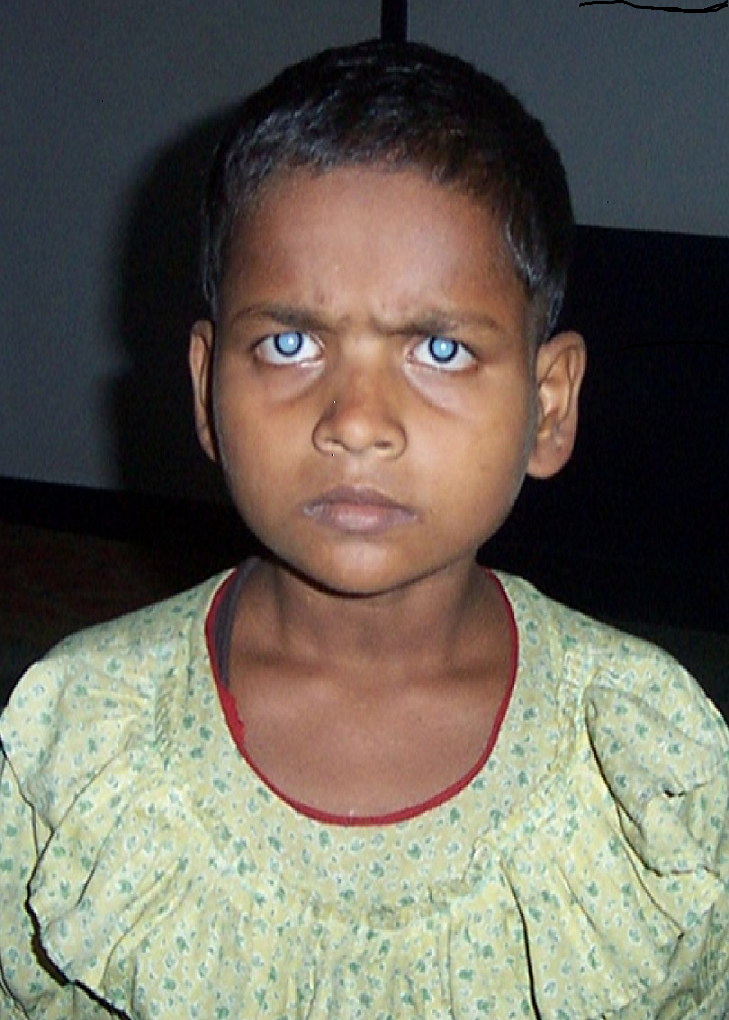
"A journey of a thousand miles begins with a single step," wrote Chinese philosopher Lao-tzu. That famous saying has rang true for a 10-year old Indian girl named Tabseratun.
Tabseratun recently made the longest trip of her life when she and her parents journeyed to Thakur Sitaram Seva Kendra Eye Hospital (TSSK), an Operation Eyesight partner hospital located in Malda, West Bengal.
The 175-km journey covering two states took her and her parents over 14 hours. It was not an easy trip! Before making the journey, Tabseratun’s parents needed to arrange for funds to make the travel, leave their other 10 children with their relatives, and take a train and two buses to reach Malda.
The journey was made with a lot of hope. Hope that Tabseratun – who had never been able to see in her entire life – would finally be able to see!
The parents’ hopes were raised during a screening program conducted by TSSK in their village in Bihar. When Dr. Rashi Ray first met Tabseratun, she presumed the child was blind as a result of congenital causes.
But she was aghast when she examined Tabseratun on the slit lamp. The examination showed that Tabseratun had treatable cataracts, which had left her blind since birth.
It’s true: due to lack of awareness and availability of services in their area, the little girl had been blind for 10 long years due to treatable cataracts in her eyes.
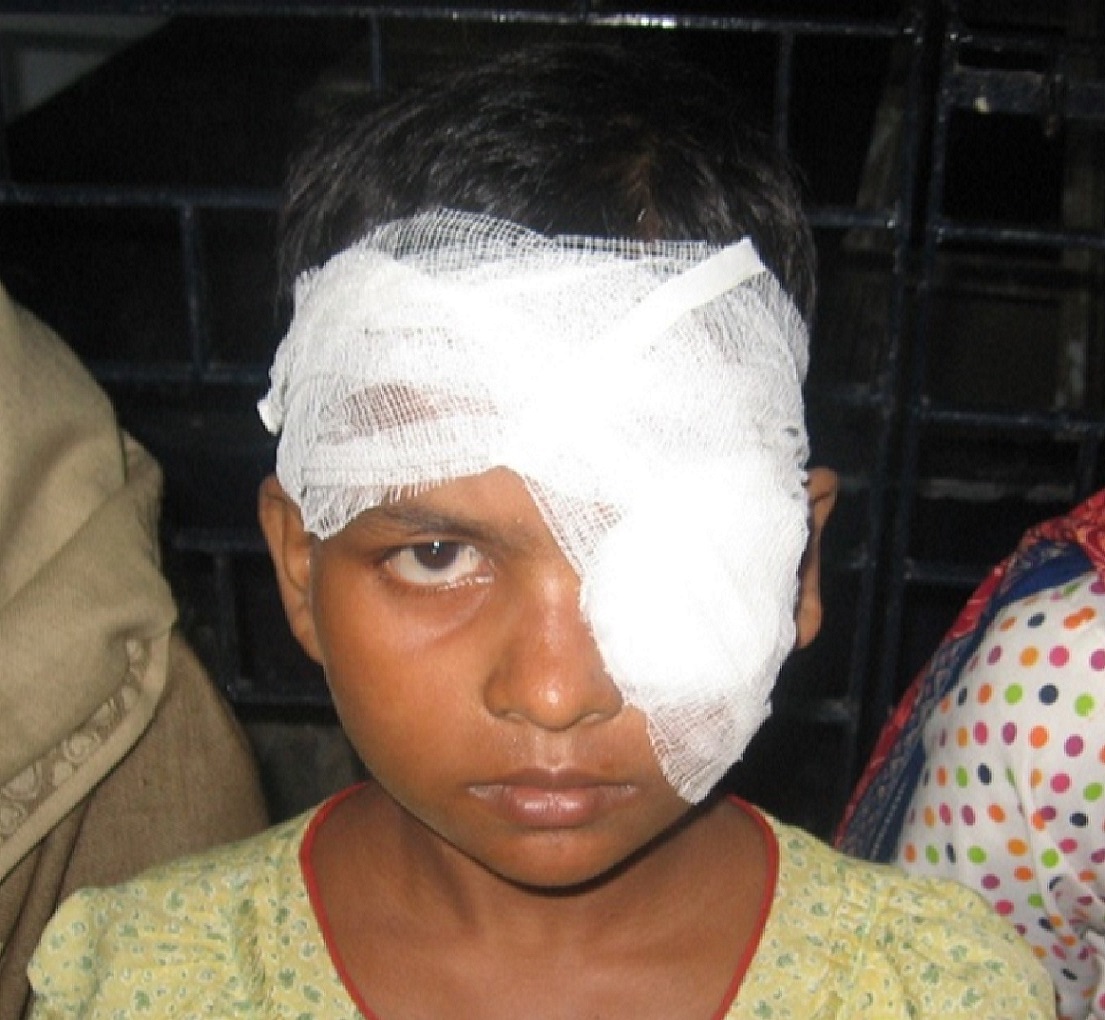
Tabseratun spent two weeks in Malda at the hospital, undergoing surgery on both her eyes. She has regained her vision and is able to see for the first time in her life as far as she remembers. Every day spent in the hospital was a day of discovery and wonder. Since then, every day has been a joy!
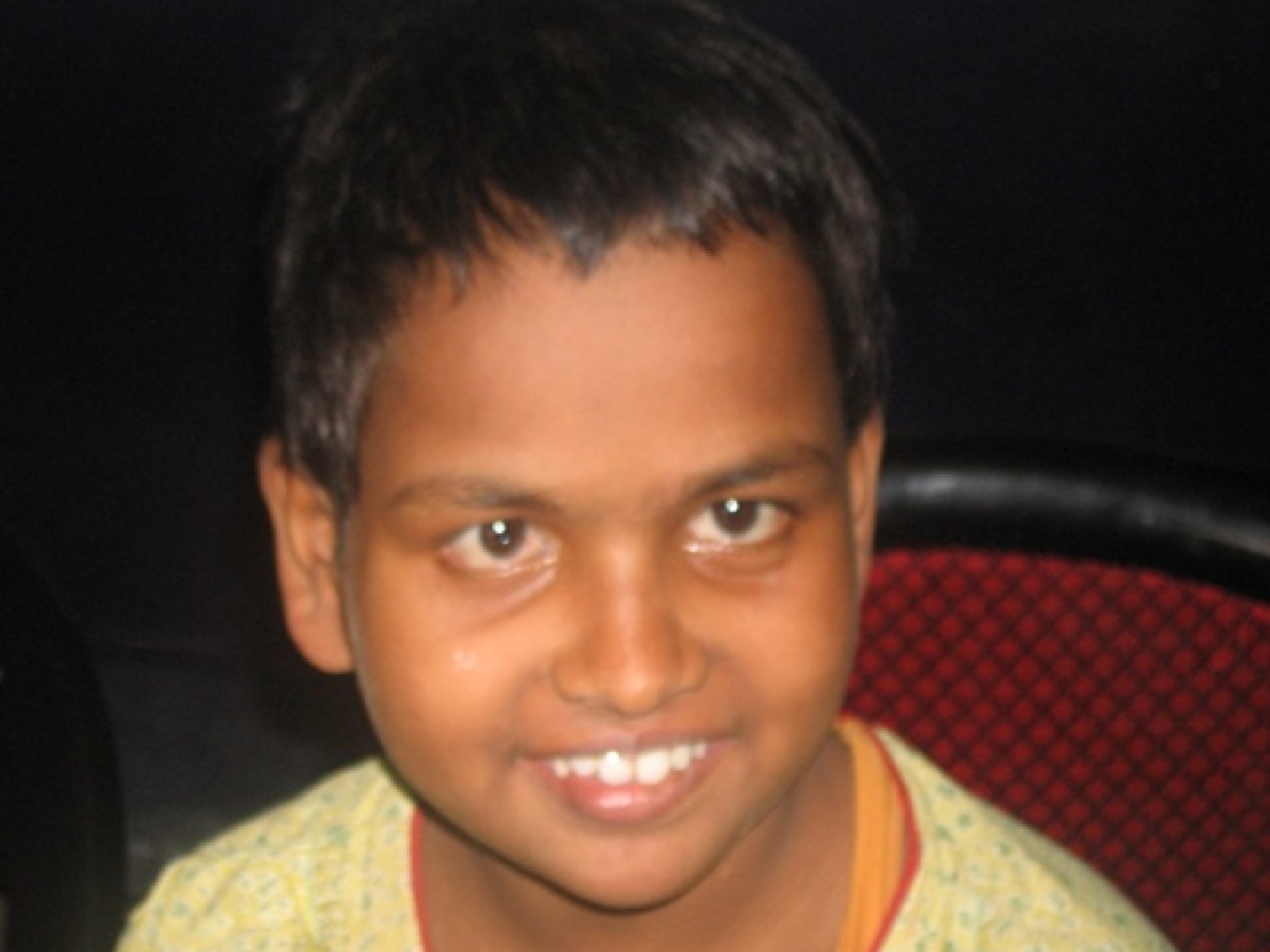
Now that she is enjoying school and playing with other children in the playground, Tabseratun and her family are grateful to the hospital and Operation Eyesight’s generous donors for helping her regain her sight – and her future!
Read more about the good work happening at our partner hospital, Thakur Sitaram Seva Kendra Eye Hospital.
Ever had a time in your life when you consistently told yourself you couldn’t do something? That negative inner voice might lead you to becoming chronically depressed, and the doubt you are feeling may become reality for you.
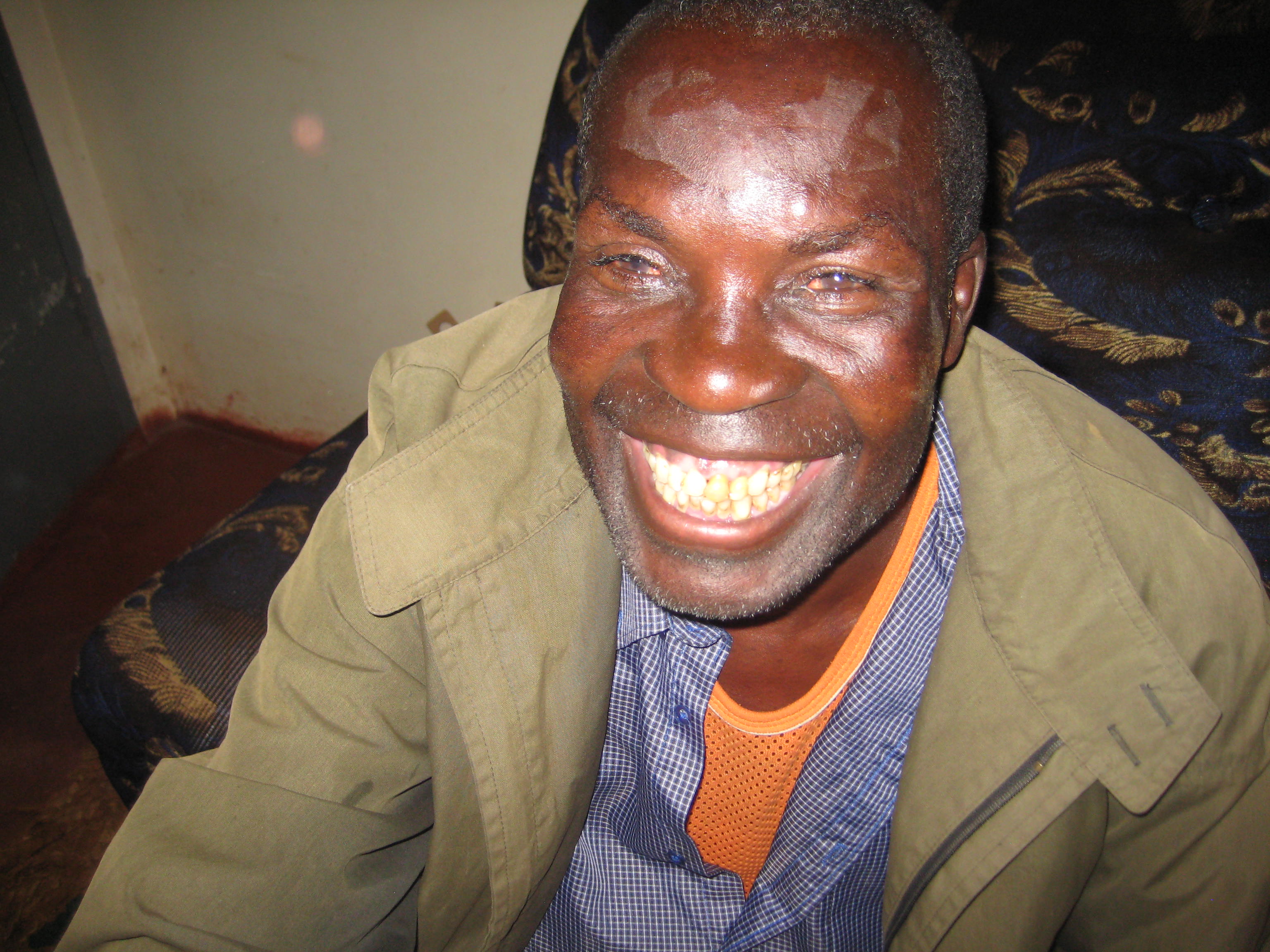
Just ask Basson Mingishi, a 58-year old subsistence farmer who lives in Zambia with his wife and school-aged children.
Basson and his family dwell in a grass thatched hut in the town of Mwinilunga, where he has lived his entire life. Unfortunately, he gradually became blind a few years ago. As his vision failed, he became depressed – so depressed that he felt he didn’t want to live any more.
Blindness was a huge burden to him and his family. “Losing sight is the most painful thing I have ever experienced,” he told one of our staff. “A blind man is incomplete if he cannot see his family and cannot fend for them.” Too proud to beg, Basson sat alone in his hut, unable to work, refusing to eat or drink. Depression was a part of his daily routine.
Then one day, that routine changed. His wife talked to a community member who had his sight resorted at Mukinge Mission Hospital in Kasempa, Zambia. She convinced the dubious Basson to make the trip to the Operation Eyesight partner hospital, 450 km away.
There, Basson was diagnosed with cataracts, and surgeries were performed on both eyes free of cost to him. When the bandages came off, he could see again! Imagine his joy and his relief!
“I am very, very happy indeed. Thank you very much. God bless you. God increase your years on earth. You shall stay well and your children will also,” he elatedly told our staff.
Not only was Basson happy and relieved, he declared his intention to go back to Mwinilunga and convince others to have their eyes checked at the hospital. “Now I will be the ambassador for eye services,” he said with a smile. “Thank you!”
Learn more about Operation Eyesight’s work in Zambia and other countries by visiting our website!
This week is Valentine’s Day – a traditional time to tell people how much we care for them. Today, we want to tell our donors how much their support means to us, and to those whom we serve!
At Operation Eyesight, we care a great deal for the people who support our mission of preventing avoidable blindness. Many have been dropping by the office or sending us cheques for years. They may have told a friend or family member about us, and they in turn have learned about our work and made their own funding commitments to us.
By choosing to make a gift to Operation Eyesight, our generous donors have extended their hearts and minds to people on the other side of the world – people they care about, but will probably never meet. Our patients understand that their eyesight was restored because someone far away made a donation to us. When they say thank you to our staff, often with great emotion, they’re really saying it to you.
 While we Canadians celebrated our Thanksgiving in October, it’s our American friends’ turn to enjoy turkey this week! On behalf of everyone at Operation Eyesight, we wish you all a happy, healthy Thanksgiving. We hope you are able to be with the ones you love on this special day.
Did you know? Operation Eyesight has a number of committed donors from the US and we are especially grateful for their generous support over the years. We have been registered since 2005 as an American tax-exempt non-profit 501(c) organization. Visit our website to learn more.