

February 11, 2022 – We are proud to announce that Operation Eyesight employee Sharon Panackal has been named one of the Alberta Council for Global Cooperation’s Top 30 Under 30 award recipients.
Sharon started working with the Operation Eyesight communications team in Calgary three years ago. Since then, she has carved out a unique role for herself by tackling all aspects of communications, from social media and website coding to graphic design and video production.

“Whatever we needed for the team,” she says, “I just started doing it.”
Today, Sharon works as the Digital Marketing Specialist. Through her work, she contributes to educating young women from underserved communities on the importance of eye health and helps create access to quality eye care services.
Growing up in a village in Kerala, one of India’s southernmost states, Sharon says she didn’t always have big career ambitions.
“When I graduated from high school at the age of 17,” she says, “all I wanted was to become this ideal mother and obedient wife.”
Everything changed for Sharon when she went off to the Asian University for Women in Bangladesh to earn her Bachelor of Arts degree. As she learned more about gender roles and feminism, her frame of reference transformed.
“It was like my eyes were opened,” she says. “Although Kerala is one of the most literate states in India, the situation for women hasn’t changed much.”
After earning a Master of Arts in the United Kingdom and working her way throughout India before coming to Canada, Sharon often wonders how she might have fared if she had been affected by poor eyesight or blindness.
“All the opportunities, I have had… I wouldn’t have had any of that if I didn’t have eyesight,” she says. “Losing eyesight can restrict our lives so much.”
She adds that she is proud to be among the 30 recipients of this year’s award, and that she’s inspired by those working in their own communities.
“I’m glad that although I’m so far away, through our projects, I’m still able to support our hospitals in India and especially in Kerala.”
To learn more about Sharon and the 2022 Top 30 Under 30 cohort, visit https://top30under30.acgc.ca/recipients/2022-recipients/
December 1, 2021 – The International Agency for the Prevention of Blindness has announced this year’s cohort of Eye Health Heroes. We’re incredibly proud to share that three of them work with Operation Eyesight. They work with passion, purpose and determination to improve peoples’ lives all over the world.
Congratulations to our 2021 Eye Health Heroes: Janet Nkhoma, Tapobrat Bhuyan and Kristin Poch.
Community Health Worker, Zambia

Janet started working in the eye health sector when she joined Operation Eyesight as a community health worker in 2015. After completing her first round of training, she began going door-to-door in Mandevu, Zambia to identify patients with eye conditions and refer them to a vision centre that had been established in Mandevu compound. She then underwent a second round of training, where she was empowered with knowledge on cluster plans to conduct health promotion and education activities, and to provide support to people experiencing eye health issues. In this role, Janet referred and counselled families who needed eye health treatment and helped dispel myths and misconceptions related to seeking care, such as concerns regarding the quality of care and prohibitive cost.
Janet has supported many members of her community throughout their eye health journeys, and thanks to her support, many of those beneficiaries now serve as eye health ambassadors, too. In turn, this has created a ripple effect of more and more people pursuing eye health treatment or seeking Janet out to ask questions or address their concerns.
When Operation Eyesight launched a new hospital-based community eye health project in Matero, Zambia, Janet offered her services to conduct door-to-door surveys in the area. Her skills and experience in counselling and encouraging patients to go for surgery have been invaluable, and she is passing her knowledge on to her new project partner, continuing to create a ripple effect of positive change.
Over the past six years, Janet has become a leader in her community and a trusted eye health resource. With her patience and dedication, she has influenced community behaviour towards eye health and encouraged more people to seek medical assistance. She has empowered many children, women and men to access the care needed to prevent blindness and restore sight – For All The World To See.
“I have learned a lot about eye health and would like to help more people who are suffering from treatable eye conditions to get help and be able to see again.” – Janet
Community Engagement Specialist, Canada
As the Community Engagement Specialist for Operation Eyesight, Kristin has been at the forefront of discovering and creating new ways to engage with staff, partners and stakeholders across all of the organization’s countries of work. She is a tireless advocate for universal eye health coverage and works hard to share her passion by running unique events to raise awareness of this critical issue. With the onset of COVID-19, she rose to the challenge of continuing to keep her team connected to promote eye health in safe, virtual and/or socially-distanced ways. With her compassion, positive attitude and creativity, she motivates others to embrace new possibilities and brings great energy to her team.

Kristin has been instrumental in executing innovative, virtual events to facilitate conversations about eye health, international development and universal health coverage. A recent example was an interactive “Health for Humanity” webinar to discuss the integration of eye health care into universal health coverage, which included a uniquely-built online platform, speakers from four different continents and participants from many different time zones.
For the last three years, Kristin has spearheaded engaging World Sight Day campaigns to raise awareness of the importance of eye health and to foster collaboration across Operation Eyesight’s various teams and departments. During the week of World Sight Day 2021, Operation Eyesight’s global team screened nearly 4,500 people, performed or booked 270 cataract surgeries, provided 297 pairs of prescription eyeglasses and trained 28 community health nurses in primary eye care – with Kristin providing support to the team and showcasing the organization’s collective impact every step of the way. She led a digital awareness campaign that reached over 46,000 people, encouraging everyone to take the #LoveYourEyes pledge and to learn more about why Everyone Counts.
While she might not be the “boots on the ground” in Operation Eyesight’s communities of work, Kristin is a champion for eye health and her contributions to her organization and to the eye health sector have been appreciated by many. She continues to find innovative and creative ways to drive her organization forward in pursuit of its vision of the elimination of avoidable blindness – For All The World To See.
“Eye health is something that is often overlooked. However, when we prioritize eye health and provide access to those most in need, profound results can occur. My role at Operation Eyesight has allowed me to work closely with all departments, from finance to programs and everything in between. This unique opportunity has truly opened my eyes to the importance of eye health and makes me proud to work alongside some of those most influential in the sector. Together, I know we can end avoidable blindness for everybody, no matter who they are or where they are from.” – Kristin
Programme Manager, India

Tapobrat began his eye health career in 2013 as a project coordinator at Sri Sankaradeva Nethralaya hospital in Assam, India. He was responsible for implementing Operation Eyesight’s Hospital-Based Community Eye Health Project (HBCEHP) model in Sonapur. This was among the first HBCEH projects to be launched by Operation Eyesight, and Tapobrat was instrumental in its successful implementation. Through this project, more than 4,000 people received treatment for eye health issues and more than 10,000 people received a pair of eyeglasses. In 2018, the project area was declared avoidable blindness-free by the governor of Assam. Thanks to Tapobrat’s leadership, many of the community health workers he selected and trained in 2013 are still engaged with Sri Sankaradeva Nethralaya in varying capacities.
In 2016, Tapobrat officially joined Operation Eyesight as a project manager to implement the Avoidable Blindness-Free Arunachal Pradesh (ABFAR) project, Operation Eyesight’s first project in collaboration with the National Programme for Control of Blindness and Visual Impairment and the Government of Arunachal Pradesh. The project was implemented in a remote location to reach people who did not have access to eye health services. Throughout the project, Tapobrat regularly visited village-level eye screening camps with government ophthalmic assistants and motivated them to provide the best care possible to the local communities. He also used his community mobilization skills and knowledge of the local language to encourage people to access eye care services at government eye care facilities. This project received significant recognition at the national level due to its unique approach to providing community-level eye care. Following the successful implementation of the ABFAR project, in 2020, an Integrated Primary Eye Care Programme was launched in 10 districts in Arunachal Pradesh, and it has been scaled up in the states of Madhya Pradesh and Meghalaya.
To date, Tapobrat has trained over 300 primary health care staff from Arunachal Pradesh and Assam. Through Operation Eyesight’s Vision Centre-Based Community Eye Health project, he has also trained an additional 45 community health workers. He currently looks after 39 vision centres across five states of India and oversees various projects in Nepal and Bangladesh. His commitment to the community and dedication to reducing avoidable blindness makes Tapobrat a valuable leader in the eye health sector. The impact of his leadership and community-focused work will continue to create positive change in the lives of others – For All The World To See.
“I was born in the North-Eastern region of India, which is difficult to work in due to a lack of proper connectivity, infrastructure and trained manpower. Since childhood, I have seen many senior community members live their last part of life with blindness, but a simple cataract surgery would have changed that. Now, I am fortunate to contribute to the elimination of avoidable blindness from my region. In my role, I strategically plan and implement Operation Eyesight’s community eye health programmes, so that we can generate awareness towards eye health and ensure that the maximum number of people receive services.” – Tapobrat
To learn more, visit https://www.iapb.org/connect/members/eye-health-heroes/eye-health-hero-tapobrat-bhuyan/

Calgary, October 15, 2021 – Operation Eyesight has joined more than 500 charities, financial advisors and legal professionals from across Canada for the launch of Will Power™, a national public education effort designed to show Canadians the power they have to make a difference with their wills. Campaign organizers anticipate that if enough Canadians join the effort and leave a charitable gift in their will, as much as $40 billion dollars could be pledged in the next 10 years for important social causes like the elimination of avoidable blindness.
“By leaving a gift in your will to Operation Eyesight, your compassion for others will endure for generations,” says Alena Schock, Operation Eyesight’s Donor Relations Officer. “The ripple effect of your generosity means more than the gift of sight. It means children can thrive in school, grandparents can see the faces of their grandchildren and parents can care for their families through fulfilling employment. With access to clean water and sustainable eye health programs, your kindness will contribute to the overall wellbeing of communities into the future.”
The national participation rate for charitable giving through wills in Canada is currently five percent. The goal of the Will Power™ campaign is to increase it to 8.5 percent by 2030. There are more than 20 countries around the world with similar campaigns aimed at inspiring their public to leave gifts in wills to charity.
Research conducted by the CAGP Foundation shows that 86 percent of Canadians are aware they can leave a charitable gift in a will, but more than 60 percent choose not to because they believe it would take away from their loved ones. But it’s not an either/or proposition – everyone can leave a gift to charity while still taking care of those they love most.
It may come as a surprise that even one percent left to charity in a will can make an enormous impact, while still leaving 99 percent of a person’s estate for their family. Leaving a small portion of an estate to charity could result in a bigger contribution than most people would ever think possible, while still supporting those they love.
We encourage everyone to visit the Will Power™ website to learn about gifts in wills and get tips on estate planning, calculate your potential gift, or contact a financial or legal advisor to take that next step. You can also visit operationeyesight.com/how-you-can-help/leave-a-gift-in-your-will/ to download our Legacy Giving Information Package and free Will Preparation Guide.
About Operation Eyesight
Operation Eyesight is a Canada-based international development organization dedicated to eliminating avoidable blindness in developing countries. It was founded in 1963, and today works in Ethiopia, Ghana, Kenya, Liberia, Zambia, Bangladesh, India and Nepal to prevent blindness and restore sight. Operation Eyesight invests in sustainable treatment, prevention and community development activities to address specific eye health problems as well as the root causes of blindness.
About CAGP and the CAGP Foundation
Will Power™ is a campaign of the CAGP Foundation in partnership with the Canadian Association of Gift Planners (CAGP). The CAGP Foundation aims to financially support the development and promotion of excellence in charitable gift planning in Canada; CAGP is a national professional association that brings together charitable fundraisers and advisors advancing strategic charitable giving in their communities. Both organizations believe that we can build a better world by putting the power of philanthropy in the hands of many more Canadians, through gifts in wills and other types of strategic giving. Find out more at www.cagpfoundation.org / www.cagp-acpdp.org
Nairobi, Kenya, September 10, 2021 – Today, September 10, Operation Eyesight Universal and the Uasin Gishu County Government officially launched their School Eye Health Program in the county. Through support from the United States Agency for International Development (USAID) Child Blindness Program, the two-year program will provide vision screening and treatment for 80,000 children and 3,000 teachers in the sub-counties of Soy, Turbo and Aynaoui. (Video of the launch event here.)
“Access to eye care for school-age children is critical; about 80 percent of what a child learns is processed through the visual system,” said H. E. Governor Jackson Mandago, Uasin Gishu County. “This program will ensure that children receive the eye care they need, so they can continue to learn and achieve their dreams.”
While the official launch takes place today, program implementation began in March 2021 with 20 teachers being trained to use the Peek Acuity app, developed by Peek Vision, to identify students with eyesight problems. As of August 20, more than 27,000 children have been screened and 2,242 students have been referred for treatment. (Read Rehema’s story here.)
Eye screenings will be conducted in 200 schools over the course of two years. Students in need of eye care will be referred to a mobile ophthalmic triage team or the nearest eye health facility, and transportation will be provided as needed.
Essilor East Africa is supplying the prescription eyeglasses to correct the vision of children (and teachers) with refractive error. Children requiring further care, such as cataract surgery, will be referred to the Huruma Sub-County Hospital Eye Unit or one of Operation Eyesight’s partner hospitals for treatment. All students will receive the same level of quality care, regardless of their gender, treatment location or ability to pay.
“By investing in children’s eye health to treat diseases, correct refractive error and restore sight, we can transform lives, families and communities,” says Alice Mwangi, Country Manager – Kenya, Operation Eyesight. “We know that women and girls are more likely to suffer from vision impairment and less likely than men and boys to receive treatment and care. Through this project, many of the barriers faced by girls, such as cost and lack of transportation, are addressed. We will educate teachers, parents, grandparents and health workers on the additional barriers faced by girls so they understand and can play a role in addressing these challenges.”
In addition to providing screenings and treatment, the program will provide eye health education for students and teachers and encourage proper hand and face washing to prevent the spread of blinding trachoma. Eco-Soap Bank, a collaborating partner, is providing 100,000 bars of soap for children and teachers to use at school and at home. Operation Eyesight conducted a similar school screening program in Trans Nzoia County from 2016 to 2018 with great success. The program in Uasin Gishu County builds on the lessons learned and aims to not only provide quality eye health services to students but to further refine the program model for scaling up in Kenya. Program results will be shared at the county, national and international levels, enabling other organizations to use these findings when developing their school screening programs.
Operation Eyesight is working in partnership with the Ministries of Health and Education to integrate eye health care into the primary health and education systems and ensure the sustainability of eye health care services.


For more information, contact:
Elizabeth Roden
Director, Marketing & Communications
RodenE[at]operationeyesight.com
About Operation Eyesight Universal
Operation Eyesight is a Canada-based international development organization dedicated to eliminating avoidable blindness in developing countries. It was founded in 1963, and today works in Ethiopia, Ghana, Kenya, Liberia, Zambia, Bangladesh, India and Nepal to prevent blindness and restore sight. Operation Eyesight invests in sustainable treatment, prevention and community development activities to address specific eye health problems as well as the root causes of blindness. To learn more, visit operationeyesight.com.
About Peek Vision
Peek Vision powers eye health organizations with a proven suite of solutions to expedite delivery of care. The result is that more people can get the treatment they need. Peek works in low- and middle-income countries, partnering with health providers, NGOs and governments. With Peek, partners gain better insights, increase efficiency and deliver stronger health systems. Peek’s vision is to bring better vision and health to everybody.
This media release is made possible by the generous support of the American people through the United States Agency for International Development (USAID). The contents are the responsibility of Operation Eyesight Canada and do not necessarily reflect the views of USAID or the United States Government.
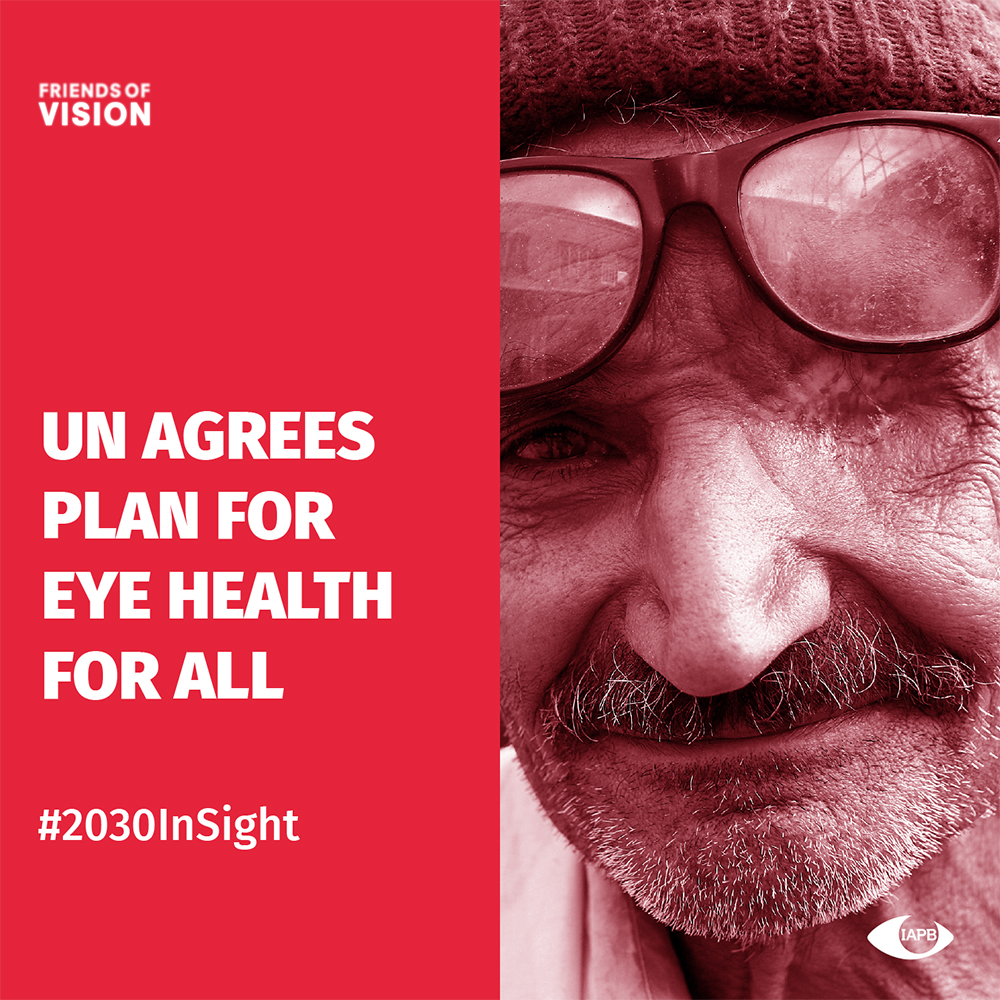
July 27, 2021 – Operation Eyesight applauds the adoption of the United Nations General Assembly (UNGA) Resolution: Vision for Everyone – Accelerating Action to Achieve the Sustainable Development Goals. The resolution (A/75/L.108) was unanimously adopted by all 193 countries of the United Nations on July 23, 2021, committing the international community to eye care for the 1.1 billion people living with avoidable blindness by 2030.
Sight loss is calculated to cost the global economy $411 billion in productivity each year.
The resolution is the first agreement designed to tackle preventable sight loss to be adopted by the United Nations and enshrines eye health as part of the United Nations’ Sustainable Development Goals (SDGs). It sets a target for vision for everyone by 2030, with countries set to ensure full access to eye care services for their populations, and to make eye health part of their nation’s journey to achieving the SDGs.
“This is a historic moment in global eye health, as the gift of sight is now within reach for the 1.1 billion children, women and men living with avoidable blindness,” said Kashinath Bhoosnurmath, President & CEO of Operation Eyesight. “I’d like to congratulate my colleagues in the eye health sector on this significant milestone. All of us at Operation Eyesight are committed to working with our partners and donors to implement this resolution to provide eye care for all.”
The resolution creates new expectations for international financial institutions and donors to provide targeted finances, especially to support developing countries in tackling preventable sight loss, and for the United Nations to incorporate eye health into its work, including through UNICEF and UN-Women. It calls for new targets on eye care to be included in the UN’s SDGs at its next review.
The plan will mean that by 2030, the 1.1 billion people globally living with sight loss, will have access to support and treatment – but, campaigners say, only if governments and international institutions act now to fulfil their new commitments.
The resolution was championed by the International Agency for the Prevention of Blindness, of which Operation Eyesight is a longstanding member, and the UN Friends of Vision group.
Peter Holland, CEO of the IAPB, said: “The eye health sector has believed for a long time that quality eye health is critical to the world achieving the Sustainable Development Goals and this resolution is testament to a lot of hard work.” He added, “IAPB’s members will now work tirelessly to support governments to enact this resolution and hold governments to account to ensure that no one is left behind”.
H.E. Ambassador Rabab Fatima, Permanent Representative of Bangladesh to the United Nations and co-chair of the Friends of Vision, said: “The adoption of [the] resolution on vision is a watershed moment in global efforts for vision care. We were honoured and pleased to lead this resolution together with fellow Friends of Vision Co-Chairs, Antigua and Barbuda and Ireland.”
To learn how Operation Eyesight’s mission to prevent blindness and restore sight is helping to achieve the SDGs, visit https://www.operationeyesight.com/sustainable-development-goals/
Operation Eyesight is excited to announce our funding partnership with the United States Agency for International Development (USAID). With support from USAID’s Child Blindness Program, we will provide vision screening and treatment for 80,000 children in Kenya.
Our team in Kenya will work closely with the local Ministries of Health and Education, targeting 80,000 students and 3,000 teachers in three sub-counties of Uasin Gishu County over a two-year period. Twenty teachers will be trained to use Peek Vision, a smartphone-based technology used to identify students with eyesight problems. Eye screenings will be conducted in 200 schools. Students in need of eye care will be referred to a mobile ophthalmic triage team or the nearest eye health facility, and transportation will be provided as needed.
Essilor East Africa will be supplying Operation Eyesight with the prescription eyeglasses needed to ensure that children (and teachers) receive the vision correction they require. Children requiring specialized care, such as cataract surgery, will receive treatment at one of our partner hospitals. Our continuum of care approach will ensure that students receive the same level of quality care, regardless of their gender, treatment location or ability to pay. Referral information and appointment reminders will be sent to the students’ parents through automated text messaging.
“By investing in children’s eye health to treat diseases, correct refractive error and restore sight, we can transform lives, families and communities,” says Alice Mwangi, Country Manager for Kenya. “We know that women and girls are more likely to suffer from vision impairment and less likely than men and boys to receive treatment and care. Through this project, many of the barriers faced by girls such as cost and lack of transportation are addressed. We will educate teachers, parents, grandparents and health workers on the additional barriers faced by girls so they understand and can play a role in addressing these challenges.”
This program is the culmination of strategic partnerships and leverages expertise and resources from other organizations to promote the integration of eye health into Kenya’s primary systems. By engaging the Ministries of Health and Education during all phases, we can ensure ongoing support and sustainability of the program. Ultimately, our goal is to integrate these school screenings and referral mechanisms within the entire county school system and have the local ministries take ownership of it.
From 2016 to 2018, we conducted a similar school screening program in the neighboring Trans Nzoia County. Our evaluation showed that an integrated system of care significantly improved the overall hospital attendance rate among children referred from Peek Vision compared with the standard system. Our program in Uasin Gishu County builds on the lessons learned in the Trans Nzoia initiative and aims to not only provide quality eye health services to school children but to further refine the model for scaling up in Kenya.
As an international development organization, we’re working to address the root causes of avoidable blindness and foster good health and well-being overall. That is why we’re also happy to share that Eco-Soap Bank will be providing 100,000 bars of soap for children and teachers of the program, for use at school and at home. Proper hand and face washing with soap and clean water can help prevent the spread of COVID-19 as well as blinding trachoma and other disease.

About USAID’s Child Blindness Program
With an emphasis on quality and innovation, USAID’s Child Blindness Program prevents and treats blindness, restores sight and provides eyeglasses to thousands of people in the poorest communities of the world each year. The program’s investments and actions are strategically focused around two main goals: 1) To increase the number of children provided with quality vision-saving eye care services; and 2) To advance the global knowledge base on best practices and innovative approaches for pediatric eye care programs. Since 1991, USAID’s Child Blindness Program has provided eye care to over seven million children worldwide.
Facts on Child Blindness
Facts retrieved on February 23, 2021 from: https://www.usaid.gov/childblindness
This announcement is made possible by the generous support of the American people through the United States Agency for International Development (USAID). The contents are the responsibility of Operation Eyesight Canada and do not necessarily reflect the views of USAID or the United States Government.
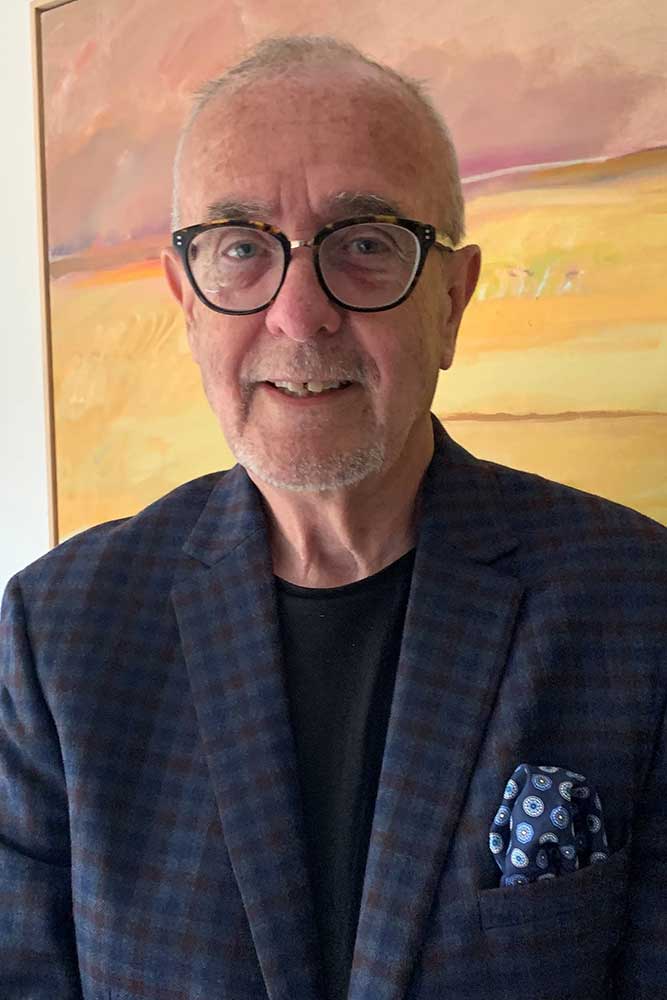
Calgary, June 24, 2021 – Operation Eyesight is pleased to welcome Dr. Diane A. Isabelle to the Operation Eyesight Canada Board of Directors.
Isabelle has spent most of her career at the National Research Council (NRC), in particular with the Industrial Research Assistance Program, supporting Canadian firms with strategic technology and business advice to compete on the global scene. She has extensive experience in strategic planning at the national and international levels, managing complex agreements and collaborative programs and projects.
Isabelle holds a PhD from Carleton University, where she is currently an Associate Professor of International Business. Her research focuses broadly on the areas of technology, innovation and techno-entrepreneurship within a global context. She also holds an MBA and a Bachelor of Engineering and began her career as a project engineer for several multinational firms.
“I am elated to serve on the Operation Eyesight Board,” says Isabelle. “Dealing with some visual impairments myself, I do not take eyesight for granted. I share Operation Eyesight’s values, and I am impressed by its innovative, sustainable and scalable business model.”
Operation Eyesight is also pleased to announce its first director emeritus, Mr. Brian Foster.
Foster previously served on the board from 1996-2007, before joining Operation Eyesight’s leadership team and later serving as the organization’s executive director from 2012 to 2018. Foster has enjoyed a 50-year career ranging from retail and manufacturing to human resources and international development, and he is still actively involved in the community through his volunteer work and leadership consulting.
“Operation Eyesight will always be a big part of my life,” says Foster. “I’m grateful for the opportunity to continue serving the organization and those we help, and to contribute what I can to further our mission to prevent blindness and restore sight.”
Operation Eyesight is a registered charity in Canada, the United States, the United Kingdom and India, with active boards of directors in the United States, the United Kingdom, India, Ghana, Kenya and Zambia. To view the full list of directors, visit operationeyesight.com/about/board-of-directors
The Operation Eyesight Canada Board of Directors is pleased to announce that it has named Kashinath Bhoosnurmath as the new President and Chief Executive Officer of Operation Eyesight.
Kashinath is currently Operation Eyesight’s Vice President of International Programs based in Hyderabad, India and has been with the organization for 11 years. With over 30 years of humanitarian and international development experience, Kashinath brings extensive leadership and expertise in international program development, implementation and advocacy.
“We are delighted to announce Kashinath as the new President and CEO of Operation Eyesight,” says Shaad Oosman, Chair of the Operation Eyesight Canada Board of Directors. “His leadership of our international programs over the past decade has been integral to our growth and the impact we are creating in the communities we serve.”
Under Kashinath’s leadership, Operation Eyesight will continue to deliver on our mission of preventing blindness and restoring sight. We will accomplish this through the support of our donors and partners who have been crucial in helping us provide eye health services to those in need.

“I am tremendously excited and privileged to be taking up this role and continuing the great work of Operation Eyesight,” says Kashinath. “I am proud of what we have achieved together and look forward to strengthening our existing programs and expanding our critical work to new countries. Some of the ways we will do this are through programming focused on childhood blindness; by prioritizing access for women and girls; and through the innovative use of technology to reach and treat those living in remote communities – none of which would be possible without the generous support of our donors.”
Kashinath first joined Operation Eyesight as Senior Director of India in 2009, spearheading the development of what has become our flagship model of Hospital-Based Community Eye Health. He has been integral in our work with local governments in ensuring the prioritization of eye health. Kashinath has held leadership positions with Save the Children UK and Action Aid France and brings decades of experience working effectively in close collaboration with civil society, government and other partner agencies.
Kashinath will assume his new position on March 1, taking over from interim CEO and former Board Chair, John Masters. Kashinath will relocate to Calgary, Canada later this year.
Hyderabad, December 18, 2020 – Operation Eyesight is pleased to announce that Mr. R. Parasuram has joined Operation Eyesight’s India Board of Directors. With more than four decades of experience in the management of public policy and systems, Mr. Parasuram has expertise in governance, strategic partnership development and change management. He currently provides strategic guidance for development initiatives of civil society organisations and other non-state actors.
An electrical engineer by education, Mr. Parasuram, while in the Indian Administrative Service, spent a year at the International Development Research Centre in Ottawa, Canada as a Fellow in Public Policy. He also holds an Honorary Doctorate in Public Policy for Agriculture and Rural Development from Jawaharlal Nehru Agriculture University, Jabalpur.
Mr. Parasuram retired from his position as the Chief Secretary, Government of Madhya Pradesh in 2013. He has since served as the Madhya Pradesh State Election Commissioner for over five years. His most recent assignment was as Director General, Atal Bihari Vajpayee Institute of Good Governance and Policy Analysis, Bhopal.
During his time with the Government of India, Mr. Parasuram served as Minister (Agriculture) at the embassy in Rome and has represented India at three UN Agencies, namely the Food and Agriculture Organization, the International Fund for Agriculture Development and the World Food Program. He also served as Joint Secretary for the Ministry of Information & Broadcasting and the Deputy Secretary for the Ministry of Textiles in New Delhi. With the Government of Madhya Pradesh, he served in several key policy functions and field assignments. He is also a Senior Fellow with the Sustainable Landscapes and Restoration program at the World Resources Institute, India.
Charity Intelligence Canada (CI) has announced that Operation Eyesight has been selected as one of their Top 10 Impact Charities of 2020 for the third year in a row, and one of their Top 10 International Impact Charities.
Of the more than 800 Canadian charities rated on the Charity Intelligence site, Operation Eyesight was among the top performers for measurable impact, and the only Calgary-based organization in the international category. This recognition highlights the impact we create for every dollar we receive through donations.
Operation Eyesight makes an impact by restoring sight and preventing blindness for people in developing countries. They partner with local government and hospitals in these countries with a sustainable approach that eliminates avoidable blindness in the most vulnerable communities.
“When people suffer from poor eye health, their quality of life is diminished and the cycle of poverty is perpetuated,” says Candice Naylen, Vice President of Advancement. “When you invest in Operation Eyesight, you support programs that provide quality care to all in the communities where we work, regardless of age, gender or ability to pay. People who have been unreached in the past receive urgently needed eye health care, and entire communities become healthier and more resilient.”
According to the World Health Organization’s World Report on Vision, more than 2.2 billion people suffer from a vision impairment. For at least 1 billion people, their vision impairment has not yet been addressed – but their vision could be restored through a number of interventions, including prescription eyeglasses, cataract surgery, antibiotics or other forms of treatment. By providing these interventions, Operation Eyesight impacts the lives of individuals and their communities by giving them back their independence, helping them break the cycle of poverty.
Operation Eyesight works with local hospital partners to strengthen their capacity and offer a supply of quality, affordable eye care services to more people. They also create demand for these services by encouraging eye health-seeking behavior and empowering communities to take responsibility for their eye health needs. Operation Eyesight currently works in India, Nepal, Bangladesh, Sri Lanka, Ghana, Kenya, Zambia, Liberia and Ethiopia, and they hope to expand to other countries that would benefit from their sustainable sight-saving programs.
To learn more, visit https://www.charityintelligence.ca/giving-with-impact/top-impact-charities