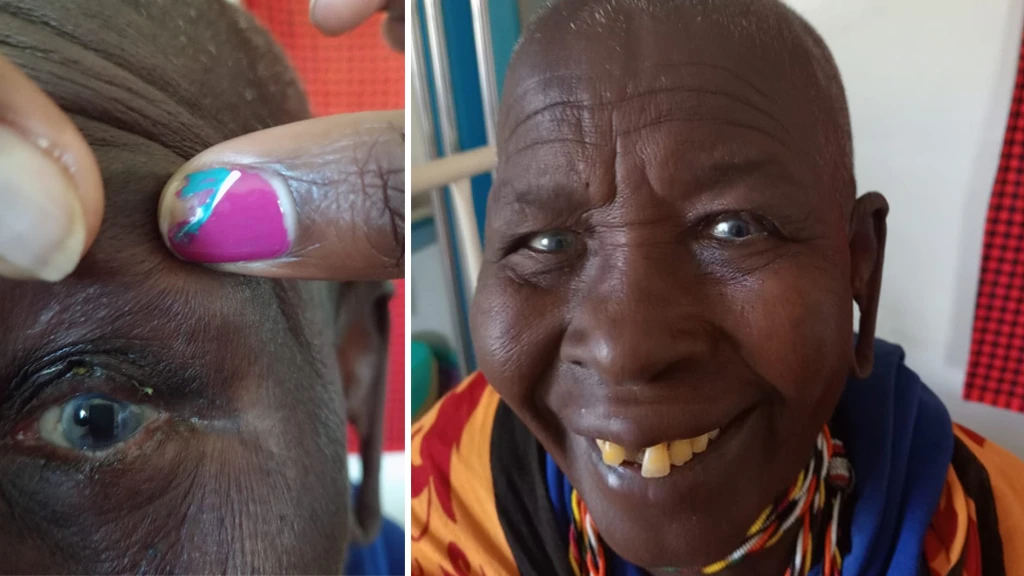
For most of her life, Napolo from Narok County, Kenya suffered from eye pain. The 78-year-old first noticed the discomfort when she was in her thirties. She said it felt like there was always sand in her eyes.
Then her eyelids started turning inwards, causing more pain and irritation. She tried traditional remedies like plucking her eyelashes, but nothing helped. Her vision worsened over time.
One day, a community health worker came to Napolo’s doorstep to check on the family’s vision. Thanks to the primary eye care training we’d provided, the community health worker took one look at Napolo’s eyes and instantly knew what the problem was – a trachoma infection.
Trachoma is a bacterial eye disease that is a leading cause of blindness in areas with water shortages and crowded living conditions. The infection spreads easily through hands and clothing, and also through direct transmission by flies. If left untreated, trachoma forces the eyelid inward – like Napolo’s – making the eyelashes rub painfully against the cornea. Over years, it can lead to permanent scarring and irreversible vision loss.
The community health worker helped connect Napolo to our partner hospital for treatment. As Napolo was in the late stage of the disease, she required surgery. At our partner facility, the Talek Health Centre, she underwent an operation that corrected her inward-turned eyelids. The procedure brought her immense relief and preserved her remaining vision.
Stories like Napolo’s are an example of how we strive to address the root causes of avoidable blindness through a disease control approach. Our model helps us diagnose, treat and prevent the major causes of vision loss, including cataract, diabetic retinopathy, glaucoma, trachoma and uncorrected refractive error.
Throughout Kenya, Ethiopia and Zambia, we’ve been working with communities and partners to eliminate trachoma through a four-step approach known as SAFE.
The SAFE acronym stands for:
In Kenya, we work with government partners to distribute antibiotics to regions where trachoma is endemic. These antibiotics help prevent infection and can help clear up existing infections.
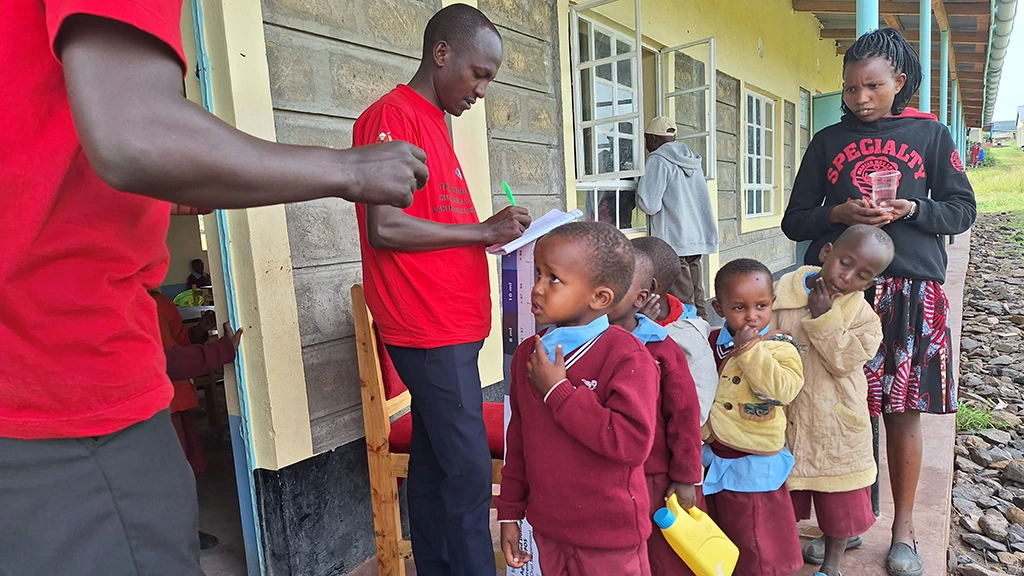
And because trachoma spreads quickly in areas where water is scarce, part of our approach is to make sure that people in our partner communities have access to a clean water source – by repairing and drilling water boreholes.
In the past couple years, we’ve focussed on training groups of local volunteers – called “Area Pump Minders” – in hand pump maintenance. That way, when a village borehole breaks down, someone in a nearby community will be around to fix it quickly. Throughout 2024, we hired on some of the Area Pump Minders we’d already trained to repair 129 boreholes – benefiting the nearly 130,000 thousand community members who depend on them.
Glaucoma is a tricky condition that often goes unnoticed until the damage is already done. Caused by increased pressure within the eye, it affects the optic nerve at the back of the eye, resulting in loss of nerve function and peripheral vision.
This often occurs painlessly, making it hard to detect. And any vision loss caused is generally considered irreversible. But if glaucoma is diagnosed early enough, it can be treated and managed with eye drops and medication, as well as regular checkups.
Ayetu, a farmer in Ghana’s Central Region, first noticed that he was having problems with his vision several years ago. After visiting the hospital, where he got a diagnosis of glaucoma, he started using eye drops. But finances were tight, and he found it difficult to pay for the medicine and attend his monthly appointments. Eventually he gave up and turned to herbal remedies, and when he did, his vision worsened.
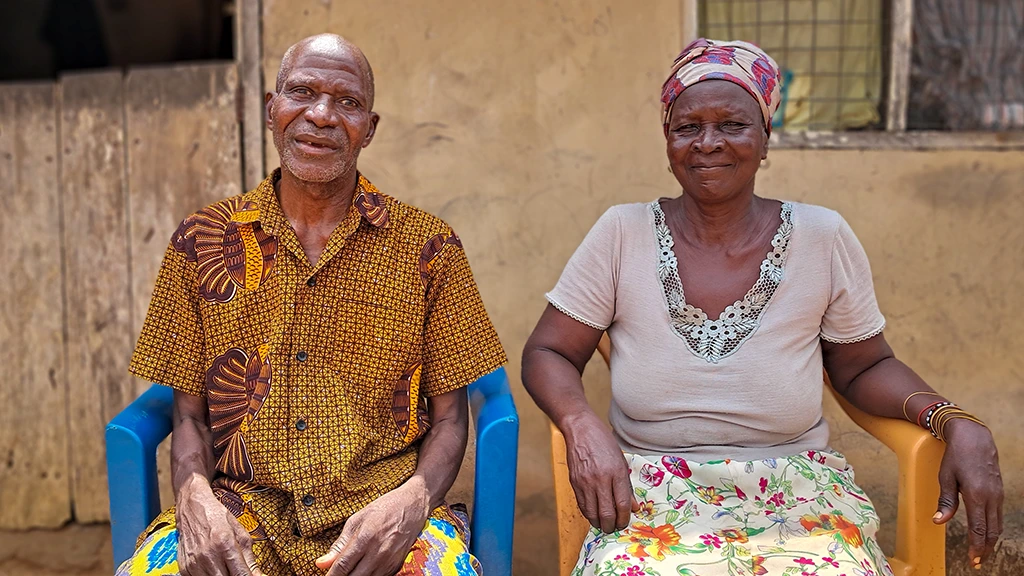
In 2022, we started a community health project with the Winneba Municipal Hospital. Glaucoma patients with financial difficulties, like Ayetu, were told that their medication and appointments would be given free of charge – thanks to the generosity of donors.
When Ayetu found out he could get his medication once again, he felt enormous relief. He had worried about going totally blind, leaving his 75-year-old wife to manage the household on her own. Now, he says that the pain and tearing in his eyes has ceased, and the pressure has stabilized. “I was overwhelmed with gratitude when I started receiving these medications every month,” he says.
Today, little Ayan and Vyan in India have a bright future ahead of them – but as infants, these twin girls narrowly escaped a life of blindness.
Born two months early in June 2022, the girls weighed just three pounds each and suffered from lung infections. They were rushed to a nearby Neonatal Intensive Care Unit (NICU) in their city of Moradabad where they were stabilized. While there, the doctor treating the girls recommended that they undergo screening for Retinopathy of Prematurity, also known as ROP.
Retinopathy of Prematurity, as the name suggests, is a condition that can occur in preterm and low-birth-weight babies. It causes abnormal growth of the blood vessels that attach to the retina, which leads to later vision loss if left untreated. It’s difficult to detect, and in the worst case scenario it can cause a child to go suddenly, irreversibly blind.
Since 2022, we’ve been working closely with our partners at the C. L. Gupta Eye Institute to screen and treat preterm infants throughout Moradabad and its surrounding districts for ROP. The Retinopathy of Prematurity Eradication Project runs a fully-equipped mobile screening van. A highly trained optometrist makes rounds of all the local NICUs, screening babies for ROP, treating simple cases and referring more complex cases back to the base hospital.
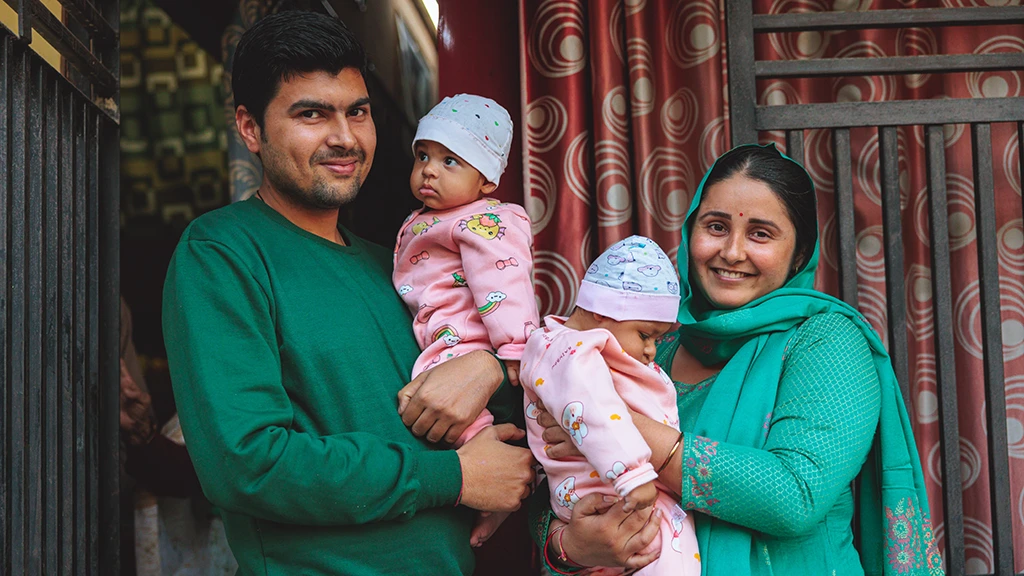
Little Ayan and Vyan underwent screening, and both were diagnosed with severe ROP. At just five weeks old, they underwent eye injections, followed by laser treatment. Now, thanks to regular checkups, their condition has been addressed, and the little girls can live up to their full potential with their vision intact.
These twin girls are just two of many infants that have benefited from increased ROP screening in their community. In 2024, we expanded the program to 28 NICUs in five districts across the region, enabling us to screen an additional 1,500 infants for ROP and provide treatment for 400 of them.
At just eight years old, Fassikaw in Bahir Dar, Ethiopia decided he’d had enough of school. His eyes were always watery, he couldn’t read the blackboard, he had to hold books just inches from his face and his grades were suffering as a result. He told his parents he wanted to quit.
His parents didn’t let him leave school, and when they heard about a school eye health program that was offering free diagnosis and eyeglasses to students, they jumped at the chance. They took Fassikaw to our partner hospital where they learned that he needed strong corrective glasses. Thanks to Partners in Education Ethiopia and our generous donors, he received the eyeglasses at no cost. Now that he can see, Fassikaw is finding school much more engaging, and his grades are on the rise.
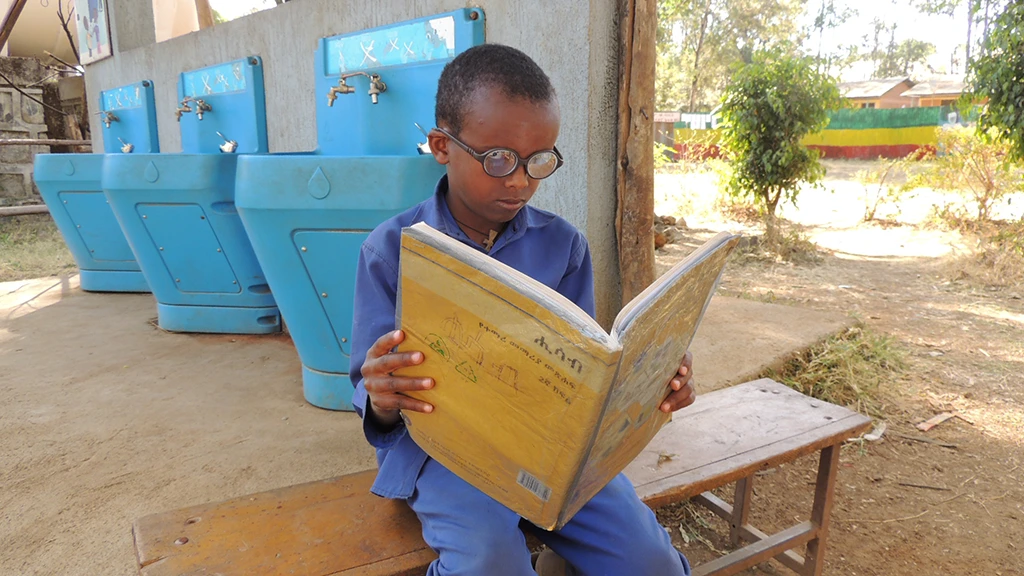
What the little boy probably doesn’t know is that vision impairment like his prevents a lot of children around the world from finishing their schooling. In fact, children with vision loss are up to five times less likely to be enrolled in formal education in low-and middle-income countries, and a pair of glasses can reduce the odds of failing a class by as much as 44 per cent.
That’s why we help run school eye health programs, reaching children right where they need vision care the most – in the classroom. By training teachers and school health coordinators in primary eye care, we’re able to screen thousands of students in just days, quickly identifying those with possible vision loss for further referral. That way we can help more students like Fassikaw stay in school and thrive in life.
Adults, of course, also suffer from refractive errors, and sometimes providing a pair of reading glasses or prescription eyeglasses can change the course for an entire family. Take Junmoni’s story as an example. The mother of two in India helped support her family’s income by doing handloom weaving from her home. But as she got into her forties, she found it harder and harder to see the intricate patterns she was weaving. In despair, she was readying herself to sell off her handloom when she was surprised one day by a knock on the door. A visiting community health worker did a quick vision screening test and told Junmoni she likely just needed a pair of glasses. With a referral in hand, Junmoni visited one of our eye screening camps where she got a diagnosis and a pair of prescription bifocals all free of charge. Now she’s weaving again and saving up so she can send her young daughter to college.

We can provide eyeglasses to people like Junmoni and Fassikaw, with all associated expenses, for about $20 dollars apiece. In 2024, we distributed more than 270,000 pairs of eyeglasses – that’s a lot of lives transformed.
Across the world, more than 17 million people are blind due to cataracts, and cataracts cause another 34 million people moderate to severe vision impairment. But they are easily treated. A simple day surgery, one per eye – at the cost of about $75 Canadian dollars – can restore vision.
Despite that, millions around the world aren’t getting the surgery they need. The barriers are innumerable but usually include lack of financial resources to pay for the surgery, and lack of transportation to access the healthcare system. That’s why we work in rural, remote and underserved communities, identifying eye conditions like cataracts on people’s doorsteps and connecting them to the healthcare system – then ensuring that their treatments and transportation are subsidized or provided free of charge.
For someone like 85-year-old Esther in Kenya, a visit from a community health promoter made all the difference. Living in the remote village of Sitet, Esther struggled to get together the money just to visit the nearest hospital, let alone pay for the appointment.
About 10 years ago, when Esther was chopping wood, a log bounced up and hit her in the left eye. The pain was extreme, but she decided to wait and see what happened. A week later, in unbearable pain, she travelled to the hospital for help. There she received pain medication and a referral to an eye hospital. But by then, she was out of money. She went home and the vision in her left eye never recovered.
Three years ago, she started to notice the vision in her right eye was also fading. Soon, she could no longer manage her household, and her daughter had to move in with her.
“She had to leave her home to stay with me and help,” says Esther, about her daughter. “At some point, I just wanted to die… I didn’t want to hold her back from her life.”
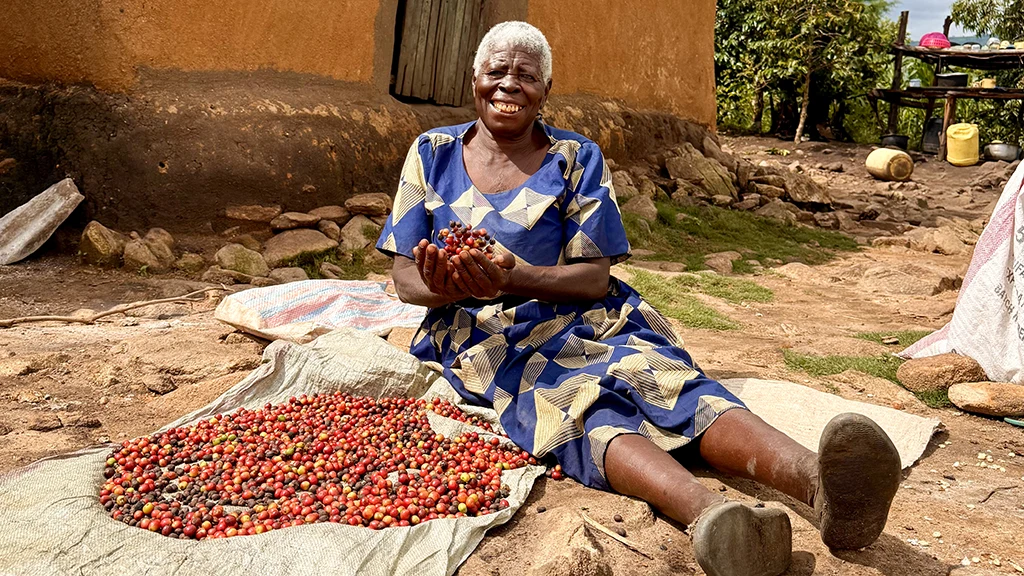
One day, hope arrived in the form of a community health promoter who knocked on Esther’s door. The health promoter referred her to an eye screening camp, where she was diagnosed and referred for cataract surgery on her right eye. Unfortunately, the damage to her left eye was irreversible, making treatment of her right eye even more essential. As part of our program, Esther’s transportation, appointments and surgeries were all paid for, thanks to the generosity of our donors and partner, Johnson & Johnson.
Today, Esther is back to living independently – visiting friends, walking to church and picking and drying her own coffee beans.
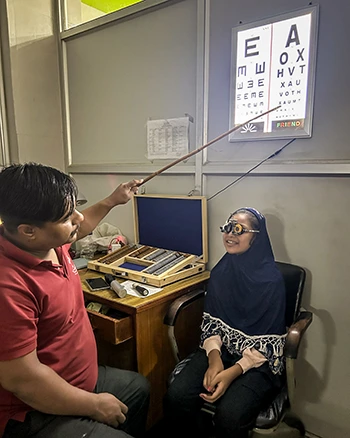
Every year, the community health workers we train bring hope to thousands of seniors like Esther who once believed blindness was inevitable. In 2024 alone, community health workers helped us restore sight by making referrals for more than 230,000 cataract surgeries – giving people back their independence and dignity.
Seeing care through to the end
Our model offers patients the full continuum of care – from screening and diagnosis, through treatment, to follow-up. After surgery, our teams make home visits to check on healing, answer questions and make sure patients attend follow-up appointments. This helps us troubleshoot issues early and keep recovery on track.
For cataract patients, follow-up is especially important. When someone has cataracts in both eyes, we often schedule surgeries several weeks apart. That gap gives time for healing and reassessment, because the outcome of the first surgery can guide the second.
Eye surgery changes lives, but recovery looks different for everyone. By staying with patients through every step, we prevent complications, improve outcomes and build trust. When communities know we’re here for the long haul it makes our work more sustainable, with healthier futures for all.
Vision loss doesn’t have to be inevitable. From Napolo in Kenya to Ayetu in Ghana and little Ayan and Vyan in India, these stories remind us that blindness can often be prevented or treated when care is accessible. Through community outreach, early diagnosis and partnerships that remove the financial and geographic barriers, we’re restoring sight and transforming lives. But the need is still great. Millions of people remain at risk simply because they lack access to basic eye care. Together – with continued support and collaboration – we can ensure that no one is left in the dark. Donate today to help us in our mission to prevent blindness and restore sight.
Driven by a wealth of community-based data, we are contributing to a global body of health research and informing national eye health policies.
In 2024, we launched two research initiatives to identify learnings and to share our findings. In partnership with the Pragyaan Sustainable Health Outcomes (PRASHO) Foundation we started an evaluation of the survey tools that we use and an assessment of our Avoidable Blindness-Free methodology and its effectiveness. We look forward to sharing our findings with you!
Award-winning presentations at VISION 2020: The Right to Sight – India conference
Our team contributed four presentations to the VISION 2020 The Right to Sight – India conference, which brought together organizations, hospitals, research institutes and others to gain a deeper understanding of the challenges and opportunities across the eye health field. We submitted four presentations.
Senior Programme Manager Tapobrat Bhuyan and Programme Manager Emmanuel Benia Tanti presented. Programme Manager Aditya Sharma (left) brought home the award for Best Paper for Oral Presentation. Operation Eyesight was also honoured with an award as a founding member for its contributions to VISION 2020.
Recognized nationally and globally Our poster focusing on our donor-centric approach won second spot for Best Poster at The Right to Sight – India conference.
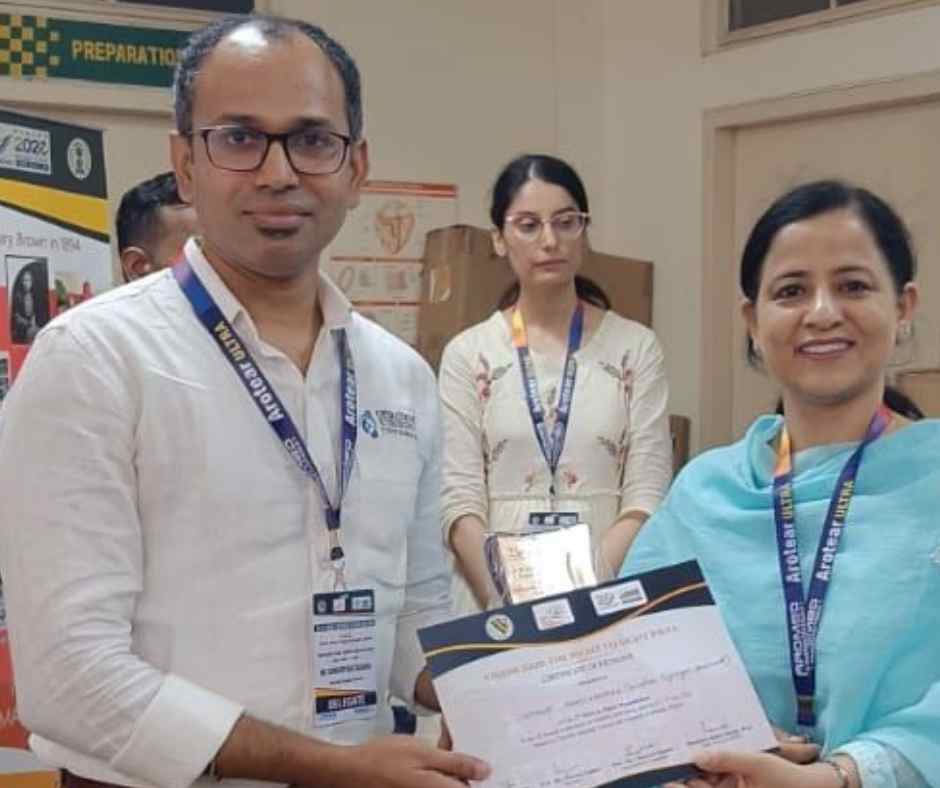
Above, our Head of Resource Mobilization Subhadip Bhattacharya (left) accepts the award. The poster was also selected to be featured at the 2024 IN SIGHT LIVE event organized by IAPB in Mexico City.
Did you know? We share our evidence-based learnings at international, national and state conferences and meetings to inform policies that support universal eye health care for all, particularly in remote and rural areas, which are underserved.
Learn more about our research and advocacy work here.
Heeralal, 45, was a resident of a village near the Community Heath Centre (CHC) Niwas in Singrauli district in India. Passionate about health care, he joined the government as a multipurpose health worker (MPW) to serve people in remote and underserved areas.
In 2010, Heeralal became a para medical ophthalmic assistant (PMOA) after the Government of Madhya Pradesh called for MPWs to undergo PMOA training. He conducted regular eye exams at CHC Niwas but was disheartened by having only two or three patients a day. He took part in school screenings and cataract camps as awareness grew.
In 2022, Heeralal saw a turning point when we launched our Integrated People-Centred Eye Care project in Singrauli. CHCs were upgraded to vision centres, equipped with slit lamps and essential ophthalmic tools. PMOAs received refresher training for comprehensive eye examinations to build eye care capacity. A series of targeted interventions rolled out. We trained community health officers, accredited social health activists (ASHAs) and community health volunteers (CHVs). Screening camps were organized with a mobile vision van to boost awareness. With support from ASHAs and CHVs, Heeralal soon saw 12 to 15 patients daily.
Today, Heeralal feels more inspired than ever by the transformation in rural healthcare. His motivation grows with every person whose sight is restored.
Did you know? Integrating eye care into universal health care is one of the five recommendations of the World Health Organization 2019 World Report on Vision.
Learn more about our work in India here.
Learn why we're working to integrate eye health care into primary health care here.
Twelve-year-old Premi, in Rajasthan, India, loves reading and going to school, but in recent years, her enthusiasm for learning came under threat when her eyesight started to fade, making it difficult for her to read the blackboard and keep up with her studies.
Premi is one of three children. Her parents and older brother work as day labourers on nearby farms to support the family. Despite their efforts, money is often tight, and a visit to the optometrist would be a stretch for them. Fortunately for Premi, her school was visited by one of our eye screening teams as part of our Vision-centre Based Community Eye Health Project with our partner in the area, the Alakh Mayan Mandir Eye Hospital. Premi was quickly diagnosed with refractive error and received a pair of prescription eyeglasses, free of charge.
The whole family is grateful that this bright young girl can continue her studies, with hope for a brighter future.
Our approach to eye health ensures entire communities – including schoolkids like Premi – get screened for eye conditions and can access treatment at low or no cost. By offering multiple screening opportunities at schools, vision centres, screening camps and right on people’s doorsteps, we make sure nobody falls between the cracks.
Our approach starts at the planning level – working with government and community partners to select a location with a high prevalence of vision loss and low socio-economic status – and a partner hospital with a compatible mission and vision.
Next, we collaborate with partners on an action plan, define the project area and decide on locations for vision centres. Once established, the vision centres act as links between communities and hospitals, providing comprehensive eye exams, dispensing glasses and making referrals to our partner hospital for surgeries.
Then, the training of community health workers begins. These frontline workers, mostly women, learn how to conduct visual acuity tests, identify various eye conditions, make referrals and provide eye health education. For many of our beneficiaries, the relationship with our programs begins and ends with the community health worker – who might visit the same household many times, offering kindness, compassion and counselling to nervous patients, as well as their eye health expertise.
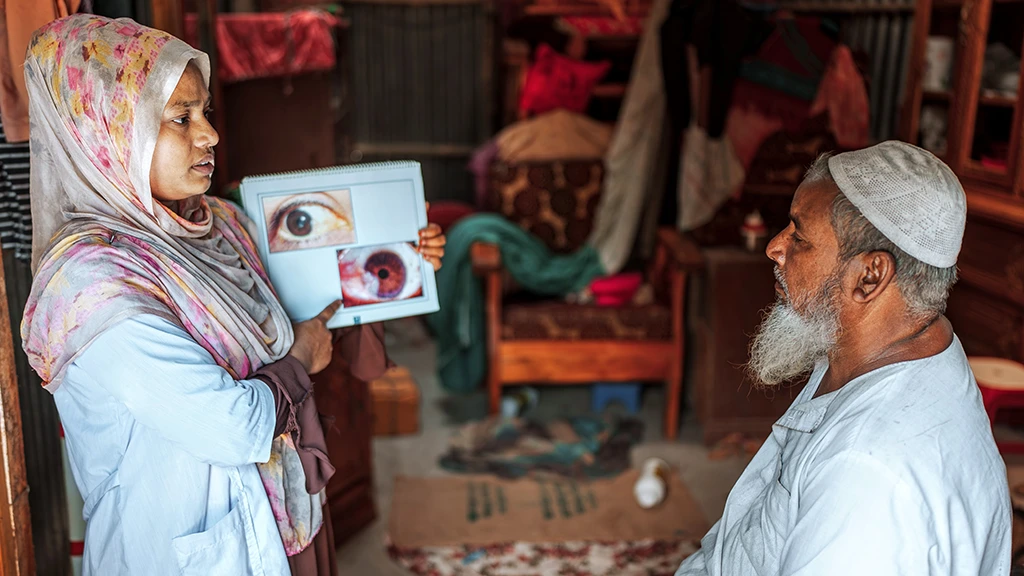
After their training, the community health workers fan out to our various communities of work, doing a baseline door-to-door survey and referring patients to the vision centres and partner hospitals for further diagnosis and treatment.
As we continue our work in the area, our teams organize various screening camps and school screenings to give everyone multiple opportunities to have their eyes checked. Community health workers also continue their door-to-door work, checking in on patients, providing eye health education and troubleshooting any problems patients might face in getting treatment. Teams crunch numbers to monitor progress and evaluate each project, later bringing in external agencies to audit the work.
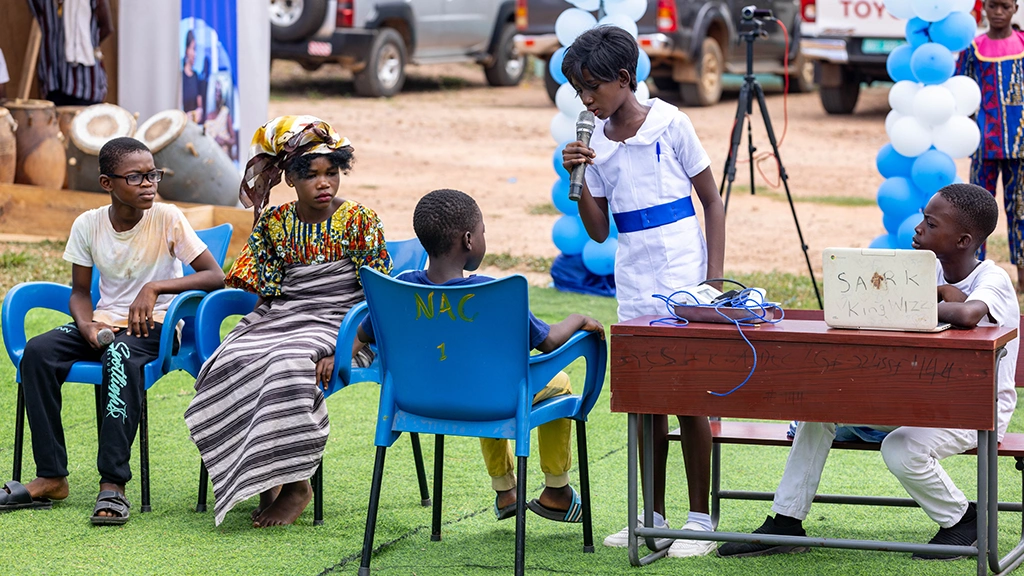
When the community health volunteers have done their final survey to make sure there are no backlog cases, villages and communities are declared as Avoidable Blindness-Free through public celebrations. At this point, the vision centres have become self-sustaining, so they can continue to deliver quality eye care services beyond the project’s duration.
The community health workers we employ for our door-to-door surveys can offer much more than just eye health expertise. Many have received additional training in primary health care and can provide advice and referrals for things like immunizations, vitamins, and maternal and newborn health care.
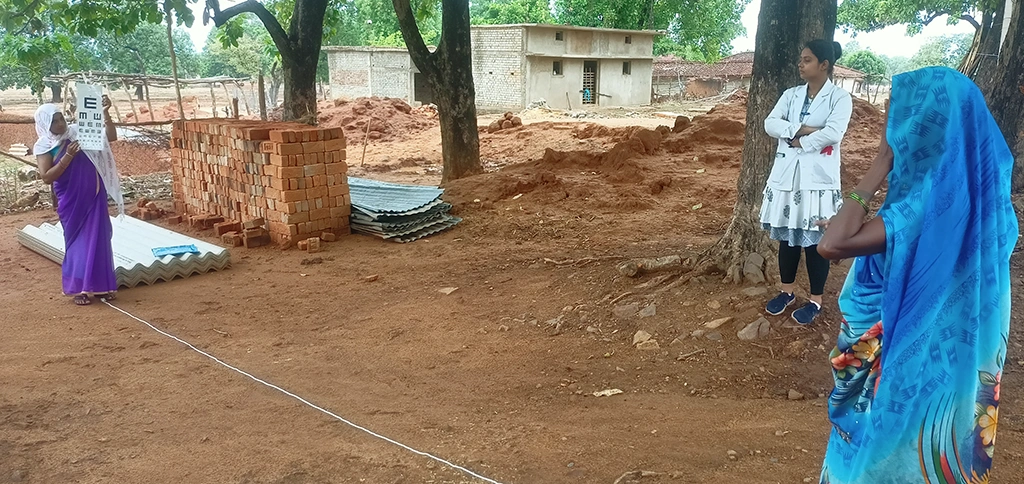
Shakuntala, an Accredited Social Health Activist (ASHA) with the Government of India, spent eight years providing advice to expectant mothers, and offering newborn care support, before she received additional training in primary eye care. With her experience, she can continue to offer referrals and education to mothers while she does her eye health screenings.
In 2024 alone, our community health workers linked more than 50,000 children aged five and under with crucial vitamin A injections, which reduces the severity of childhood illness and increases survival rates, while also helping them develop healthy vision. Also in 2024, we referred more than 16,000 expectant mothers and 12,000 nursing mothers with health facilities for check-ups.
Moreover, a community health workers frequent visits to a household can help them monitor a patient’s progress not only with an eye condition but with other health problems as well.
Take Bulal in Nepal, for example, a 97-year-old man who has cataracts as well as diabetes. When Meena, an Operation Eyesight-trained community health worker, met Bulal during a door-to-door survey in 2021, she realized that he would need additional support to get the treatment he needed for his low vision. While he had been previously diagnosed with cataracts, the doctor told Bulal that his unstable blood sugar levels – and his high blood pressure – made cataract surgery too risky. Bulal thought he would live out his final days in darkness.
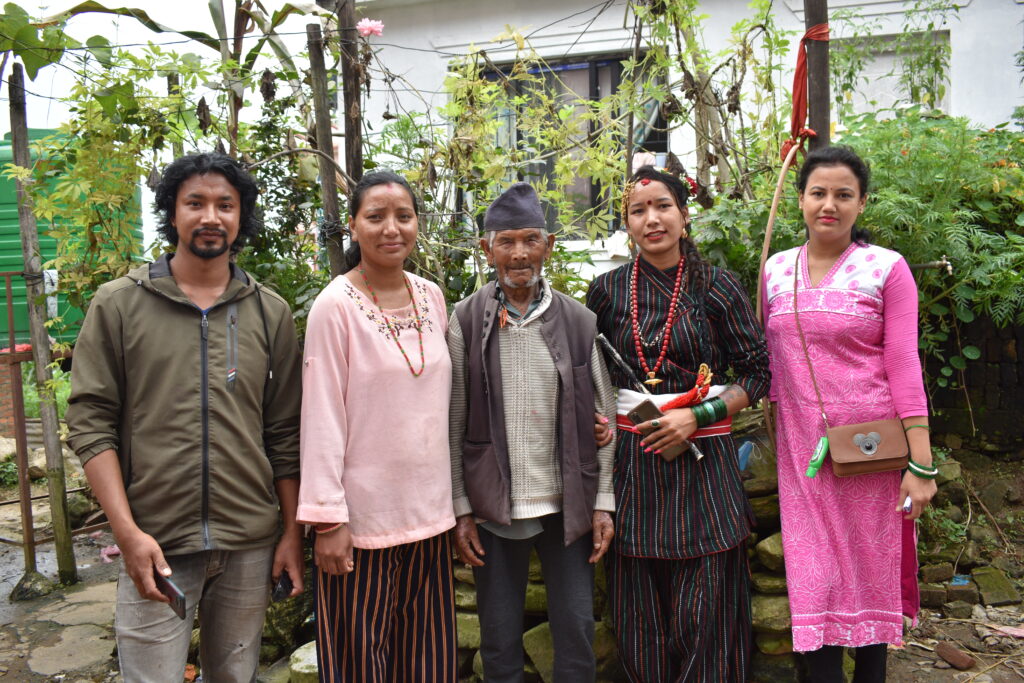
But when Meena heard his story, she set a plan in motion. Over the next few months, with Meena’s support and guidance, Bulal stabilized his sugar levels and brought down his blood pressure so he could safely undergo surgery. His family was grateful to see Bulal restored to his former dignity and independence once he could see clearly again.
From patient to ambassador – spreading the word about eye health
Ntiiti, a mother of five from a remote village in Kenya’s Kajiado County, started losing her vision in 2020. She didn’t know why she couldn’t see clearly and wondered if she was the victim of a curse. Soon, her vision was so poor that she could no longer perform essential day-to-day tasks like making meals, taking care of her children and looking after the family’s cattle.
Help arrived unexpectedly when a community health promoter, whom we’d trained in primary eye care, visited her home while conducting door-to-door screenings. He identified cataracts and sent her to a nearby eye screening camp for a formal diagnosis. At the camp, an ophthalmologist confirmed Ntiiti had bilateral cataracts and referred her for surgery. Ntiiti had never been to a hospital or clinic before, because of the distance to these facilities from her village, but our team helped arrange transportation so that she could get the treatment she needed. Thanks to our generous donors, she received surgeries on both eyes, free of charge.
Amazed by the difference the surgeries made to her life, Ntiiti told everyone in her community who complained of vision or eye problems about her miraculous recovery. Soon, she had her first recruit – a widowed mother of six who was living in total blindness. Ntiiti connected her to the community health promoter and even accompanied her to the hospital for her surgery.
We have many similar stories of patients like Ntiiti who become ambassadors for our programs. It speaks to the strength of our approach – by taking the time to build relationships in the community, patients with success stories become empowered to spread the word about the importance of getting treated for blindness and vision loss.

To create the biggest impact, we start at the community level. By training and empowering local health workers, we can help create lasting connections that bring eye care directly to people’s doorsteps. These trusted workers are the heart of our model – identifying problems early, guiding patients through treatment and spreading awareness that can transform entire villages.
With your support, we can train more health workers, open more vision centres and ensure that no one is left behind. Donate today to help us build a future where avoidable vision loss is eliminated for good.
In 2021, 24-year-old Vishnu decided to be a changemaker. Vishnu hailed from a small village in Rajasthan, India where girls were not encouraged to work. However, she, dreamed of having a career so she could support her family.
Vishnu pursued a community health volunteer (CHV) role at Fatehagar Vision Centre, established through the Promotion of Avoidable Blindness-Free Communities in Rajasthan project. We implemented the project with Alakh Nayan Mandir, through support from Standard Chartered Bank.
Once Vishnu began working, she quickly earned respect. Encouraged by her mentors, she took a two-year diploma in optometry form Aalakh Nayan Mandir. In 2024, she became a vision technician at the Fatehnagar Vision Centre. She now sees 10 patients a day.
“I want to grow, and I will never allow anyone to stop me from doing my job. I’m happy that girls in my community have started dreaming of having careers after seeing me. This job has given me a chance to change my life, and I want to motivate as many girls as possible to dream big and fight for their happiness,” Vishnu says. She remains deeply grateful to Alakh Nayan Mandir and Operation Eyesight for the opportunity that changed her life as she now changes the lives of others.
Did you know? There is a global shortage of eye health care professionals. The World Health Organization recommends four ophthalmologists for every million people. While India has 11 per million, many are based in urban areas, leaving rural and remote areas underserved according to the IAPB Vision Atlas on India.
Learn more about how we help strengthen eye health care resources and grow human resources here.
Learn more about our work in India here.
Seventy-year-old Debeswari, from Golaghat District, Assam, India once led an active life, walking to her nearby village to visit. When cataracts clouded her vision, her world shrank to the four walls of her home.
Once cheerful and independent, she became totally dependent on her family. Financial struggles and fear of surgery kept her from seeking treatment. She felt isolated, helpless and like a burden to her loved ones.
One day, an Operation Eyesight-trained community health volunteer named Daiboki visited Debeswari’s home. Together, they worked through her eyesight issues and her fears. Later, a team from our partner, Chandraprabha Eye Hospital, visited Debeswari and explained cataract surgery. Reassured, she accepted treatment and was transported to hospital that very day.
Now, Debeswari again walks independently to her nearby village – a freedom she hadn’t enjoyed in years. In having her vision restored, she has also recovered her dignity and joy.
Did you know?
Globally, 100 million people have cataracts, the leading cause of blindness. In India, cataract causes 66 per cent of blindness, 81 per cent of severe vision loss, 70 per cent of moderate vision loss and 24 per cent of mild vision loss according to the IAPB Vision Atlas. Cataract surgery is one of the most cost-effective treatments at approximately $75 CAD (surgery and associated costs such as travel).
Learn how you can support cataract surgeries here.
Sriramappa, from Karnataka, India, was living with vision loss from cataracts. This left him dependent on his family for his daily needs, and he could no longer support them by grazing his cows and goats. When his wife passed away from an illness, and he lived in darkness, mentally and physically, for three years.
His hope returned when a community health worker visited his home. Sriramappa took part in eye screening and was diagnosed with cataracts. Referred to our partner, Netradeep Eye Hospital (Globe Eye Foundation), Sririmappa accessed sight-restoring surgery free of charge.
Sriramappa expressed his gratitude to our donors. He is now enjoying life’s simple pleasures, especially roaming the forest with his animals, which helps to support his family.
Did you know?
There is a strong correlation between vision loss and age. People who are 50 years of age and older experience 73 per cent of all vision loss according to the IAPB Vision Atlas (2025). This puts people at risk of poverty, dependence and reduced health and well-being. At times, beliefs that vision loss is inevitable or that older people are not worthy of treatment can be barriers to overcome.
Fortunately, 90 per cent of all vision loss is avoidable. This means it can be prevented or treated. Of all the treatments, cataract surgery is one of the most cost-effective solutions. It costs approximately $75 CAD for one cataract surgery and associated cost, such as travel.
Learn how you can support sight-saving work here.
Working as a nurse in a clinic in Ghana’s densely-populated Awutu Senya District, Joana Annobil treated a wide range of medical issues – from diabetes to hypertension. But there was one issue that consistently stood out to her as having the biggest impact on patients’ lives: vision loss.
“Our eyes are like the light of the human body,” she says. “Without your eyes, you can’t do anything. You can’t go anywhere. So, the eye is very important to talk about and take care of.”
Joana wanted to bring better eye health care to people in her district by studying ophthalmic nursing, but pursuing further studies felt out of reach because of the costs of leaving her job to attend classes full time. Still, Joana didn’t give up. After discussing her aspirations with the District Director of Health Services in Awutu Senya, our partner on a community eye health project, the director reached out to us for support. Thanks to the generosity of our donors, Joana’s dream became reality; we provided the financial assistance she needed to advance her education.
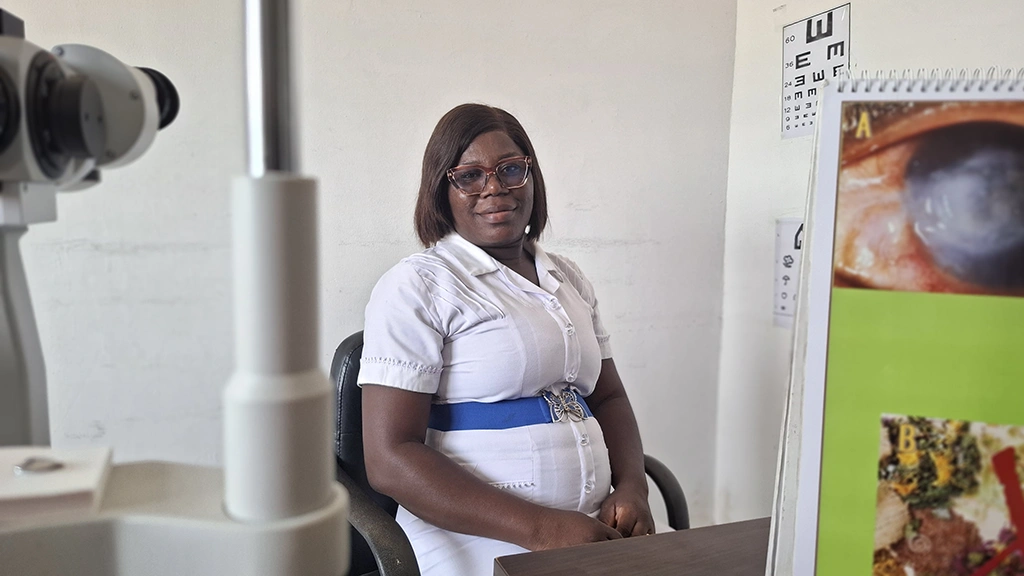
Today, Joana is fully certified as an ophthalmic nurse, after completing a degree program at the Korle Bu Teaching Hospital in Accra. She works at the Senya Beraku Polyclinic in her home district. She says that with her advanced training, she’s better able to diagnose, refer, and explain conditions and procedures to her patients. Most importantly, she is better equipped to combat eye health myths and misconceptions that prevent many patients from getting treatment.
Joana is just one of many healthcare providers and doctors whom we’ve supported in pursuing further studies since we were founded in 1963. One of the pillars of our work is to help build health systems by investing in hospital equipment and infrastructure, by establishing vision centres and by providing training opportunities for healthcare professionals. It’s all part of our sustainable approach to health care, which emphasizes building expertise at the local level.
The town of Chitipa is located at the northern tip of Malawi, hours away from the larger cities in the country’s more populous south. Until recently, people in the area had to travel between 100 to 350 kilometres to get any kind of eye health care because the local hospital was over capacity.
In March 2025, all that changed when we partnered with the Malawi Ministry of Health to open the new Operation Eyesight Vision Centre at the Chitipa District Hospital. Today, the district’s 256,000 people can visit the clinic to get everything from a routine eye exam to cataract surgery.
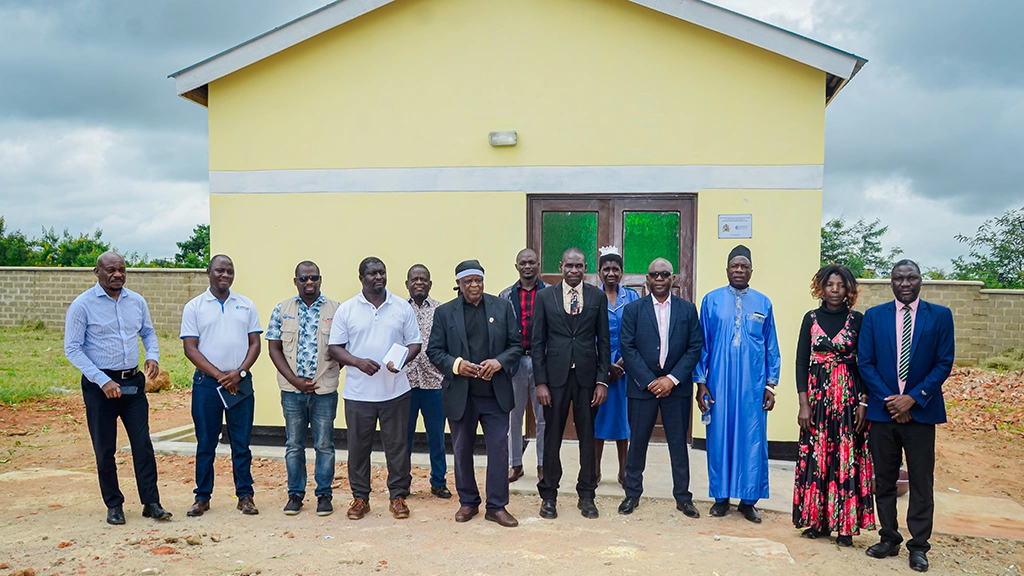
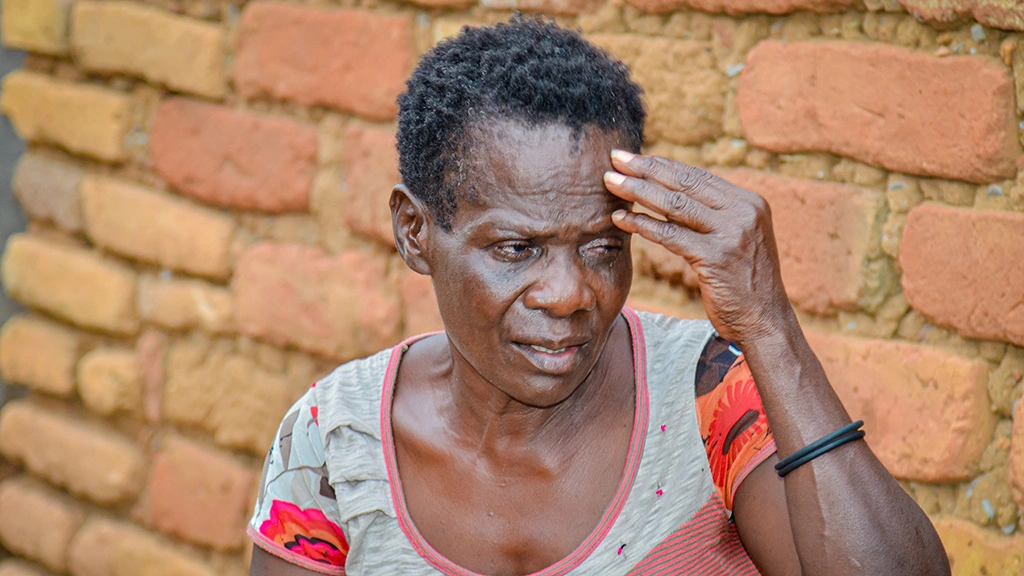
For Lydia, who lives in a village just outside of Chitipa, the new vision centre arrived just in time. For years, she’d noticed tearing in her left eye. Eventually, it became uncontrollable. She tried reading glasses, eye drops, various medications… nothing worked. Finally, she went to the hospital in Chitipa for help. There, she was diagnosed with cataracts and referred for surgery in Mzuzu, more than six hours away. She put off the operation while she saved money for the travelling it would entail.
When the new Operation Eyesight Vision Centre opened, Lydia was thrilled to find out that she could get her surgery much closer to home. In August 2025, she underwent the operation on her left eye, free of charge. Today, she is enjoying a higher quality of life, with her left eye no longer tearing up – and improved vision overall.
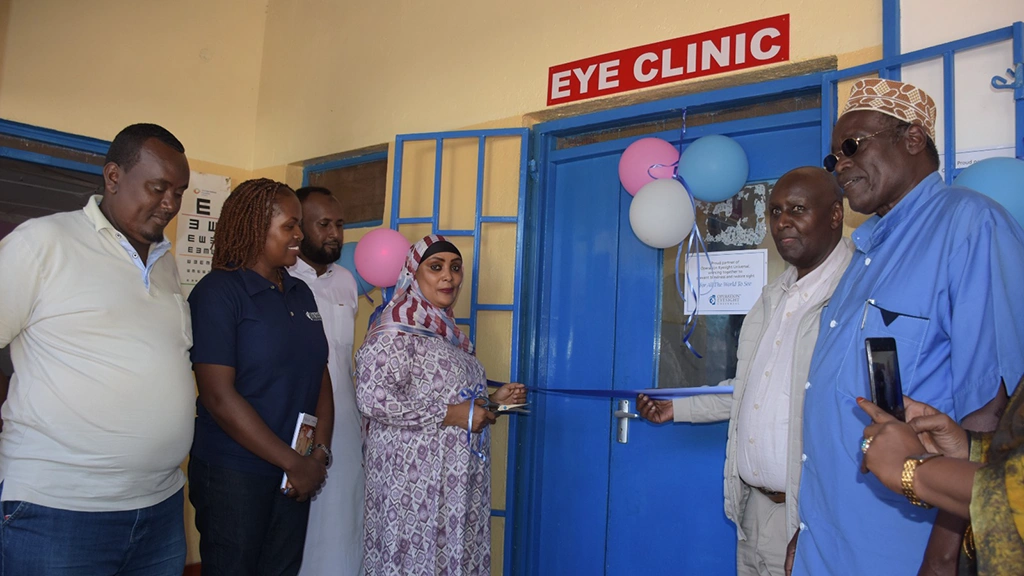
The vision centre in Chitipa is just one of many facilities we’ve helped establish in recent years. In May 2025, we successfully handed over a new eye clinic at the Garbatulla Sub-County Hospital to the County of Isiolo in Kenya. The clinic was developed in partnership with the county government and the Kenya Ministry of Health, with funding from Johnson & Johnson. Also in 2025, we laid the foundation stone for the construction of the Secondary Eye Hospital in Yadgir, Karnataka, India, in collaboration with the Shri Guru Mahipatiraj Eye Bank and Research Foundation Trust.
On the banks of the Ramganga River in Uttar Pradesh, India, sprawls the city of Moradabad, home to our partner hospital, the C.L. Gupta Eye Institute. In recent years, we’ve been working closely with the institute’s Vice-Chairman, Dr. Ashi Khurana, to help some of the area’s smallest residents – premature babies.
India has the highest rate of preterm births in the world, and the emergence of more Neonatal Intensive Care Units (NICUs) has greatly improved the survival rate of premature infants. But as more of these preemies grow up, an alarming trend is developing – some of these children end up going blind.
The culprit is Retinopathy of Prematurity (ROP), a condition that causes problems with the development of the blood vessels in the baby’s eye. If untreated, it can cause permanent vision loss and even total blindness.
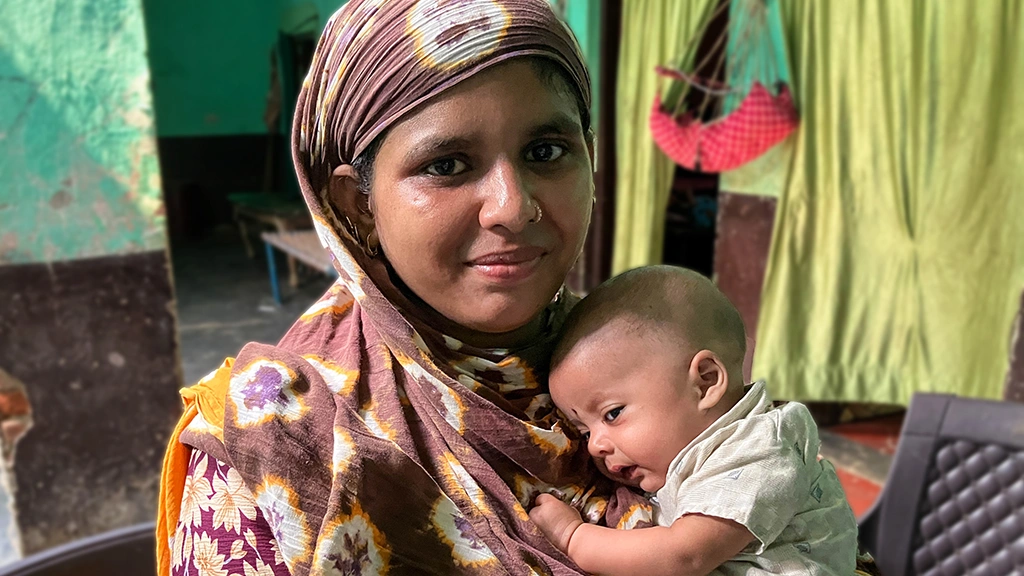
Dr. Khurana remembers first hearing about the problem when a local doctor approached her with concerns about the high number of local children who had gone blind due to ROP. The problem, they realized, was a lack of screening at the growing number of local NICUs.
In answer, Dr. Khurana and her team launched a pilot ROP program to screen Moradabad infants for the condition, which later expanded to include a partnership with Operation Eyesight. Dubbed the Retinopathy of Prematurity Eradication Project, the program runs a mobile eye clinic staffed by an optometrist who has training in ROP screening and laser treatment. The optometrist travels with specialized equipment to NICUs throughout the area, providing both screening and treatment, while referring more complex cases back to the C.L. Gupta Eye Institute.
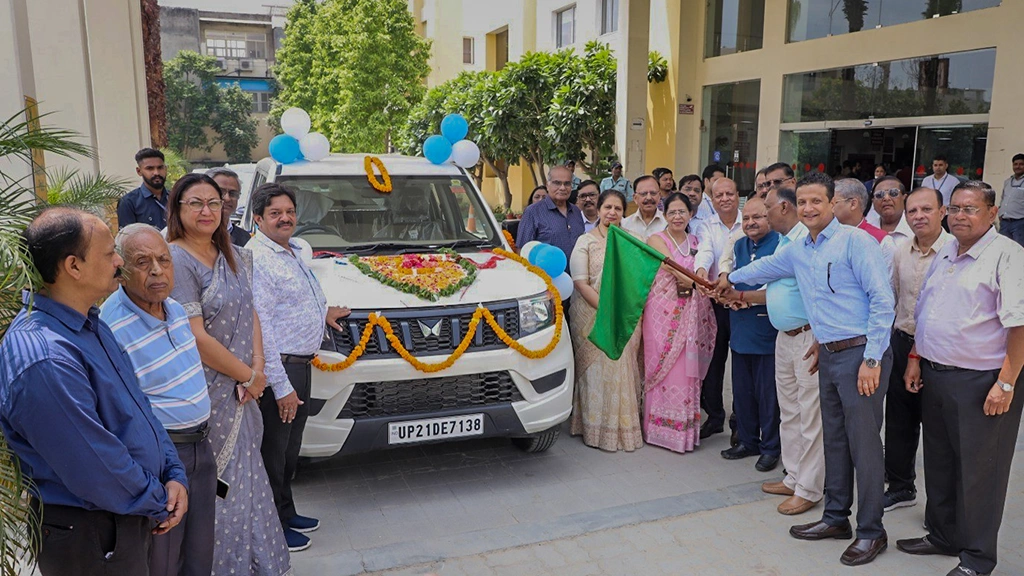
With help from Rotary Club partners, we supplied the program with essential equipment, including an imaging system used to examine the baby’s retinas, and a specialized laser system that is the gold standard for treating ROP. We also helped the hospital with the purchase of a mobile screening van, and we participated in the creation of educational materials to make sure that both healthcare providers and families understood the risks of ROP.
In the second year of the project, the screening area expanded from one district to five, including 28 NICUs. Between July 2024 and March 2025, 685 preterm babies were screened for ROP, with 54 of them receiving laser surgery, and another 35 treated with intravitreal injections.
Thanks to the generosity of our donors, we often purchase and upgrade ophthalmic equipment to help our partners offer the highest quality care possible, just like we did with the ROP project. Throughout our decades of work, we’ve equipped everything from vision centres to highly specialized operating theatres. We’ve also provided various types of vehicles to transport patients from rugged, remote locations to hospital, and to serve as mobile screening units on wheels – like the one now being used to screen infants in the Moradabad area.
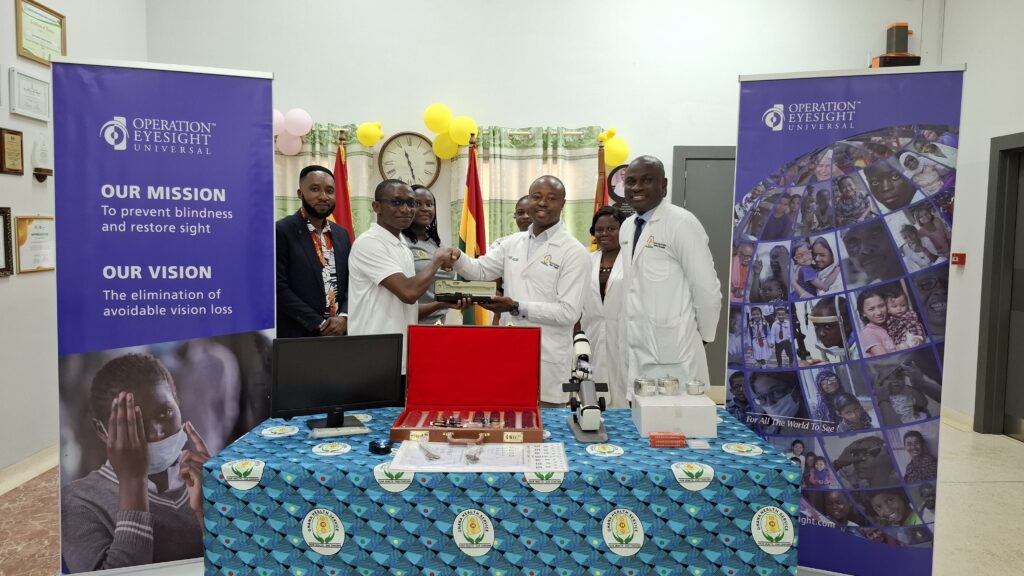
In addition to donating equipment, we are committed to ensuring sustainability by providing additional funding for equipment maintenance training. In 2024, Dumisani Jere from our partner facility, Mzuzu Central Hospital in Malawi, was sent to India’s Aravind Institute to do a one-month Ophthalmic Instruments Maintenance course. Since then, he has been providing support to eye clinics throughout our project areas in Malawi’s Northern Region.
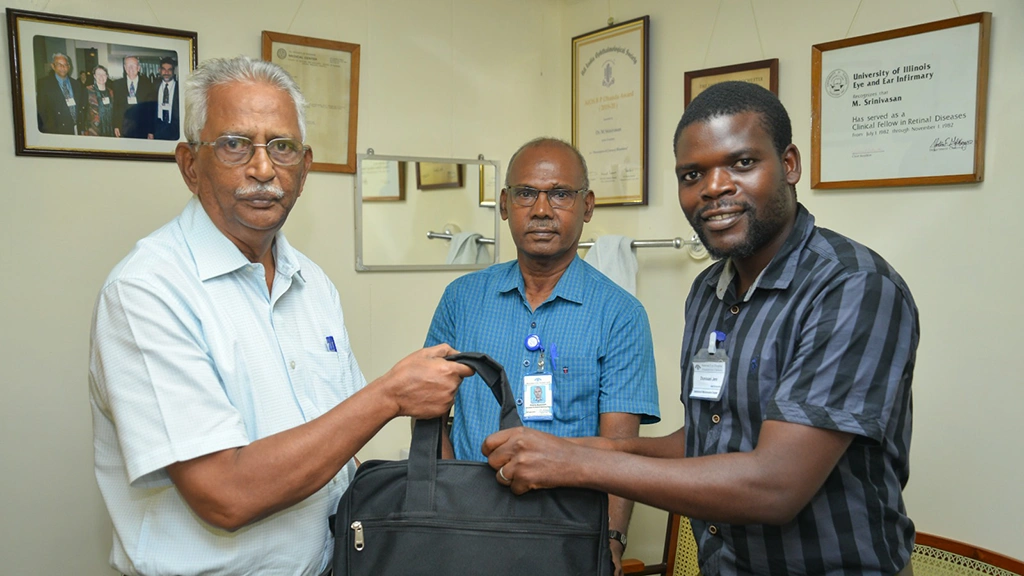
Hospital strengthening is at the heart of our mission to create lasting change. By investing in infrastructure, equipping facilities and training local professionals, we help build resilient health systems that can deliver quality eye care for generations to come. From vision centres in Malawi to advanced neonatal screening programs in India, these initiatives ensure that care is accessible, sustainable and rooted in local expertise. Thanks to the support of our donors, we’re not just treating patients – we’re strengthening health systems and empowering communities to protect sight for the future.
Donate today to help strengthen more hospitals and train more ophthalmic staff – For All The World To See.
On October 9, we marked World Sight Day 2025 with the call to Love Your Eyes, joining the global campaign initiated by IAPB, alongside hundreds of other organizations around the world.
Across 10 countries and three continents, our teams and partners worked tirelessly to raise awareness, advocate for eye health and provide screenings to thousands of people.
Our global impact with our partners saw us:
Below are highlights of our World Sight Day achievements from around the world.
Ethiopia: A school eye health initiative resulted in screenings of 1,200 students at Lideta Primary and Middle School in Bahir Dar City. The event linked eye health with WASH (water, sanitation and hygiene) education and provided free prescription eyeglasses to students in need.
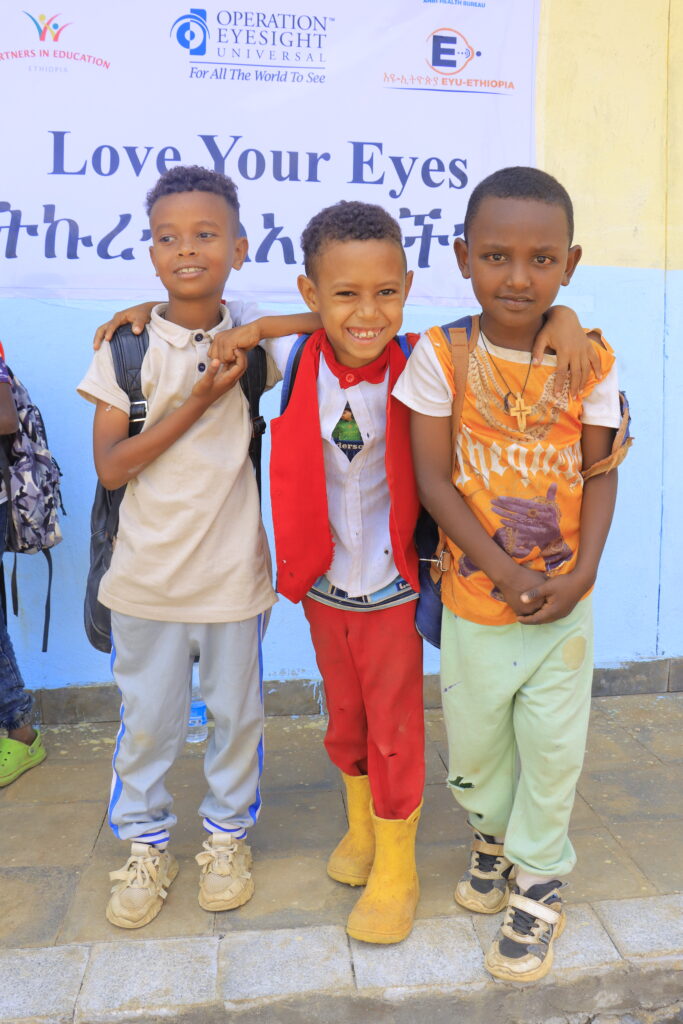
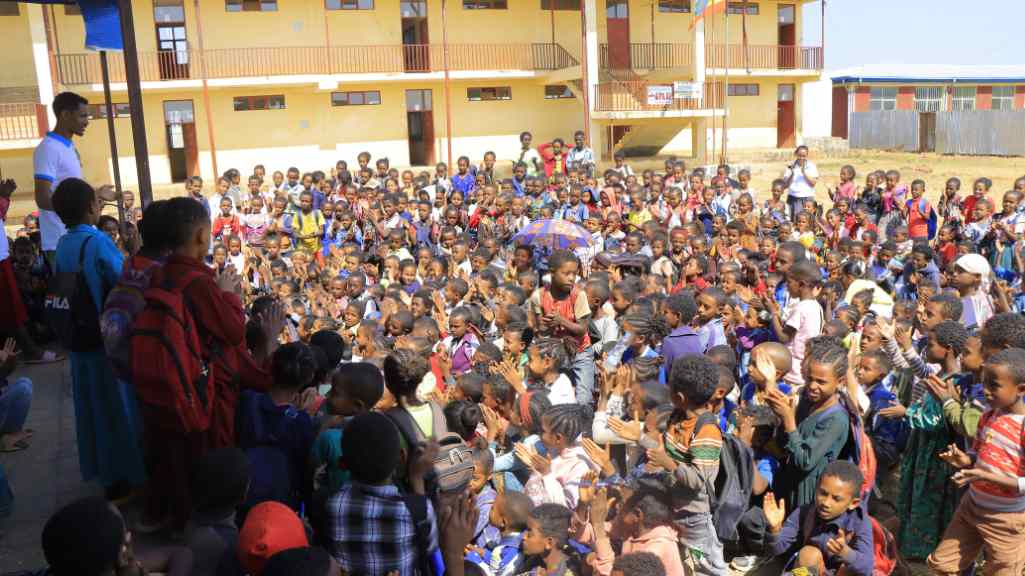
Community members in Ethiopia shared learnings that highlighted the importance of raising awareness of eye health in schools for both teachers and students.
I used to think some students were lazy when they struggled to read. Now I realize many have vision problems. This opened my eyes – literally and figuratively.”
- teacher in Ethiopia after a school eye health screening for World Sight Day 2025
A grade six student said, “I heard about trachoma only a month ago after joining our health club. Before this, most of us didn’t even know such eye problems existed.” The World Health Organization (WHO) lists trachoma as the world’s leading infectious cause of blindness and one of 21 neglected tropical diseases (NTDs) that affect over one billion of the world’s lowest income people. As of April 2025, the WHO Weekly epidemiological record reported that Ethiopia accounted for 64 per cent of the global burden of trachoma, with 66 million people at risk. It can be prevented with access to clean water and hygiene education and treated with antibiotics. (Learn more about our trachoma treatment and prevention projects here.)
Ghana: Our Ghana team supported Ghana Health Service in a press event to share the importance of eye health and the significance of World Sight Day. Alongside partners Watborg Eye Services, Gbawe Municipal Hospital and Swedru Government Hospital, community eye screenings and eye health awareness activities took place. In all, 876 people had their eyes screened.
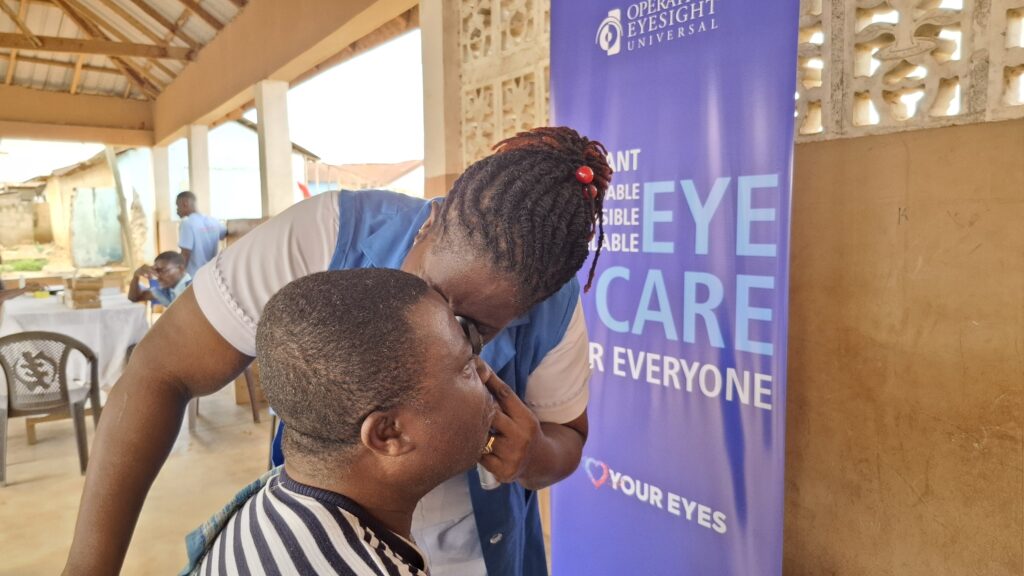
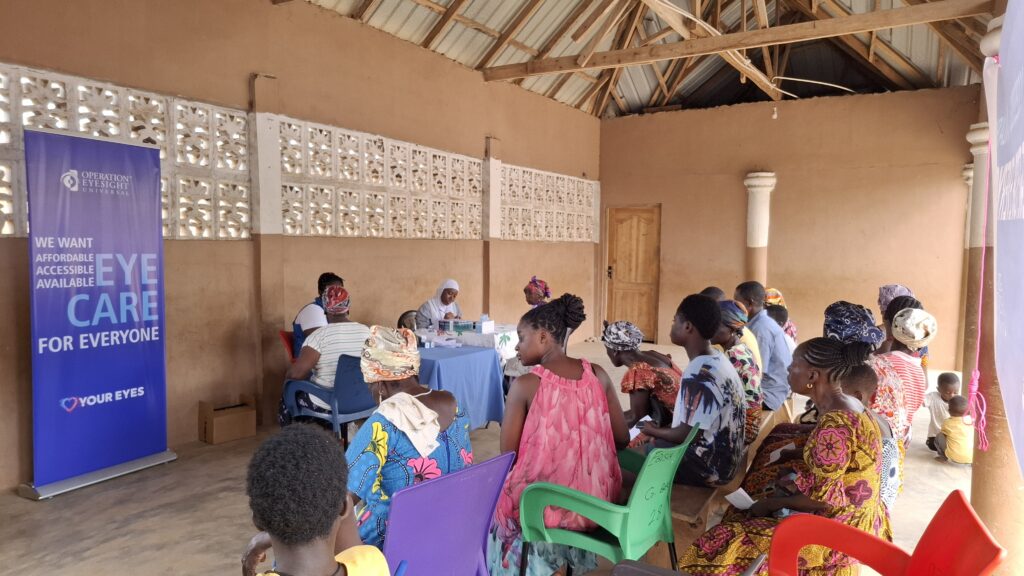
Kenya: Our Kenya team conducted advocacy for eye health by attending 12 meetings and working with partners to educate decision-makers at the national, regional and community levels about the need for eye health care and public education. This included working with the National Ministry of Health Eye Health Section to conduct eye screenings for Nairobi County Assembly members, to educate and advocate for the need to prioritize eye health in resource allocation.
Our Kenya team also ran an eye health awareness campaign at the Kajiado County Assembly, where Members of the County Assembly and staff received eye screening and treatment for various eye conditions. This was conducted to educate decision-makers on the need to include eye health in policy formulation, budget planning, and public. As a result, the County Assembly reaffirmed its commitment to promoting the health and well-being of citizens through informed policies and strategic partnerships.
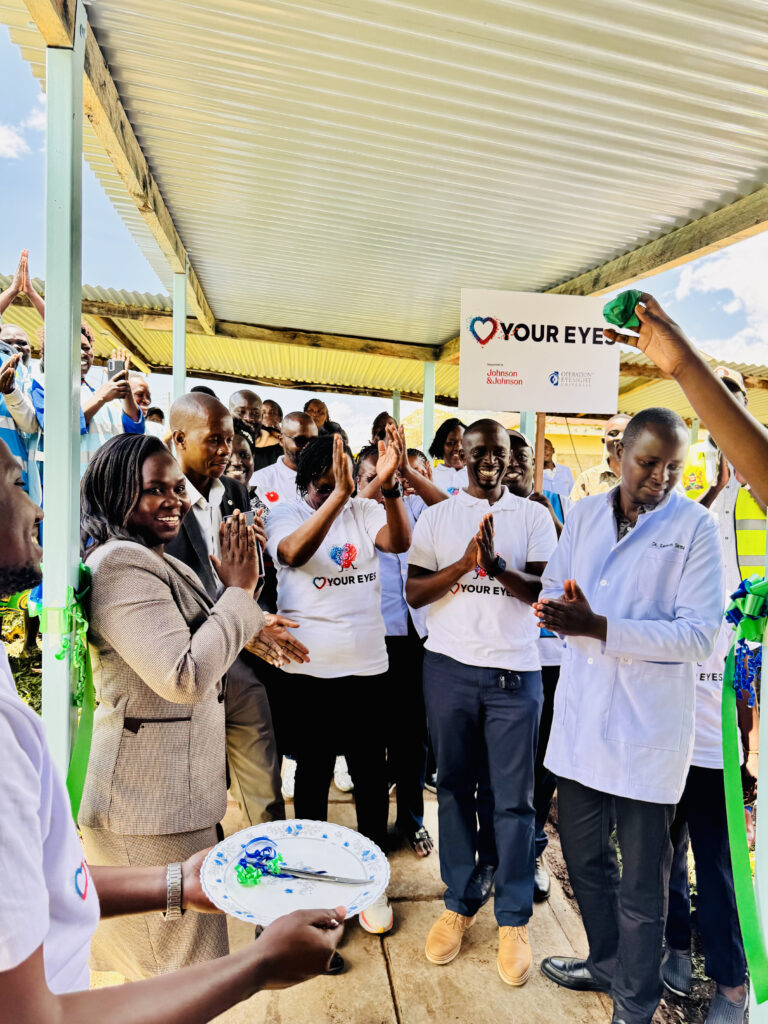
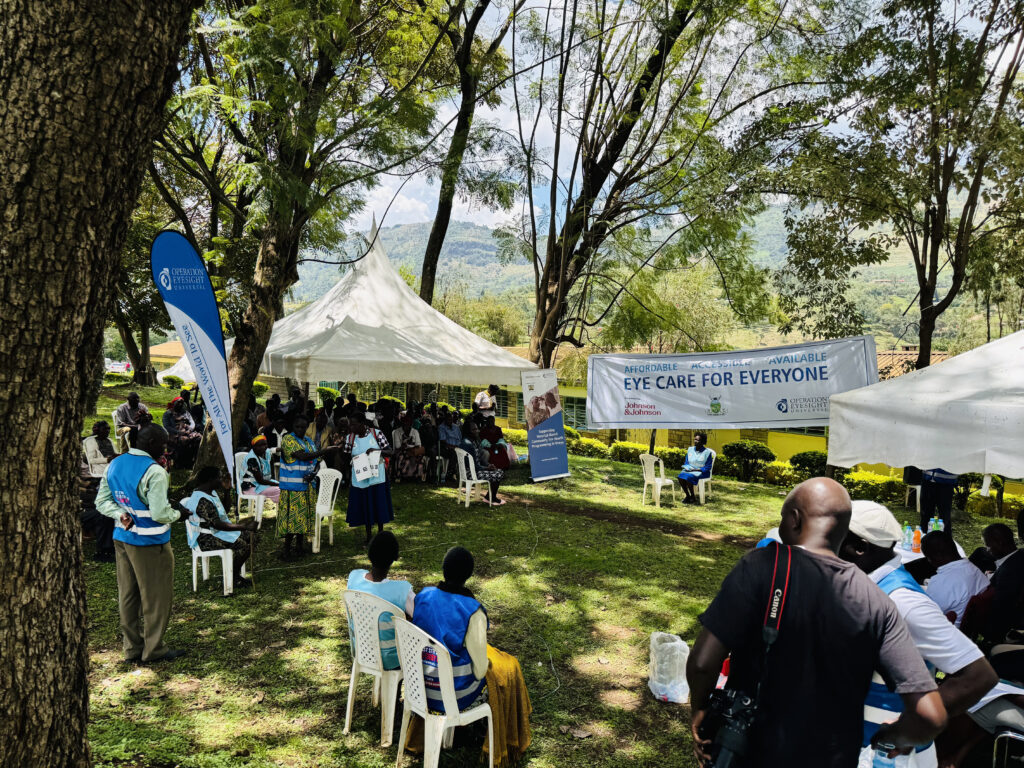
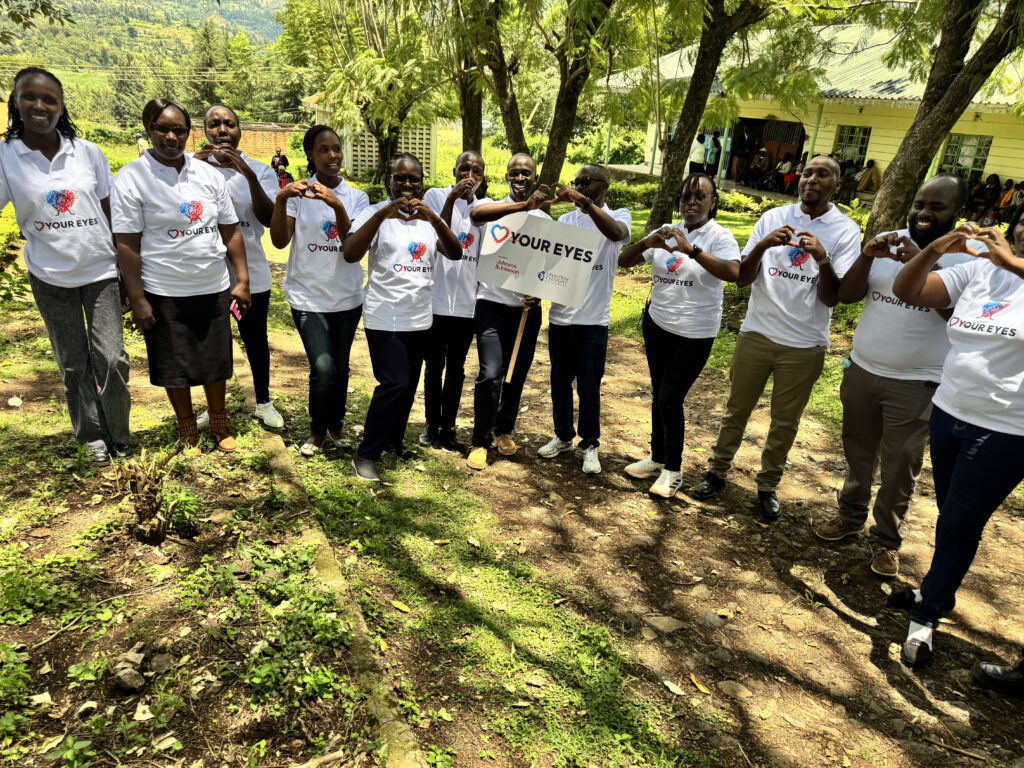
In Nandi County, in partnership with the County Government of Nandi and through the support of Johnson & Johnson, we officially launched a new eye clinic at Maraba Sub-County Hospital in Tinderet Sub County. The launch was presided over by Deputy County Commissioner Esther Oyugi and attended by senior county officials and community representatives. This marked a major milestone in improving access to primary eye care services. The new facility will provide screening, treatment and referral services, significantly enhancing Nandi County’s capacity to deliver comprehensive eye care and contributing to the elimination of avoidable blindness in the region.
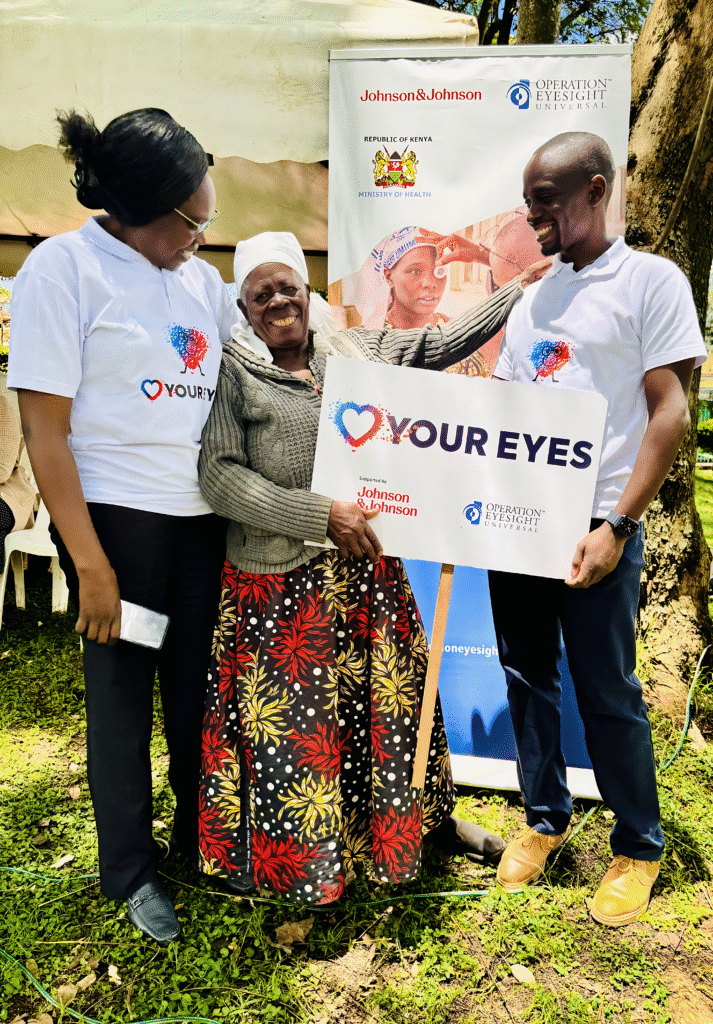
Malawi: Our team in Malawi worked with partners to screen 16,701 people. This included screening students in nine schools and training 42 frontline workers.
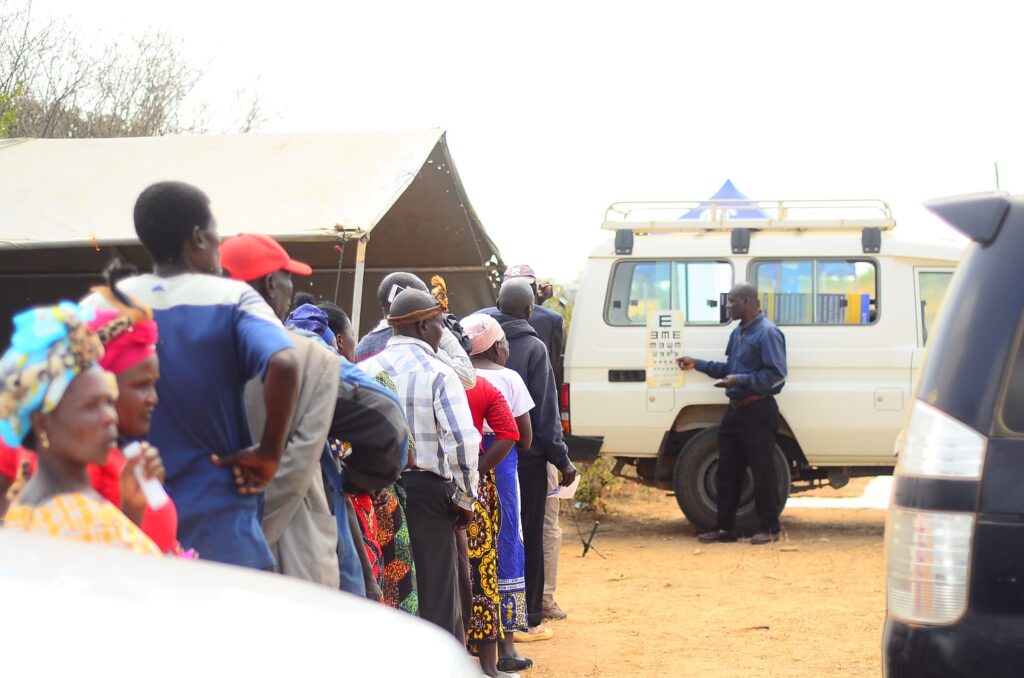
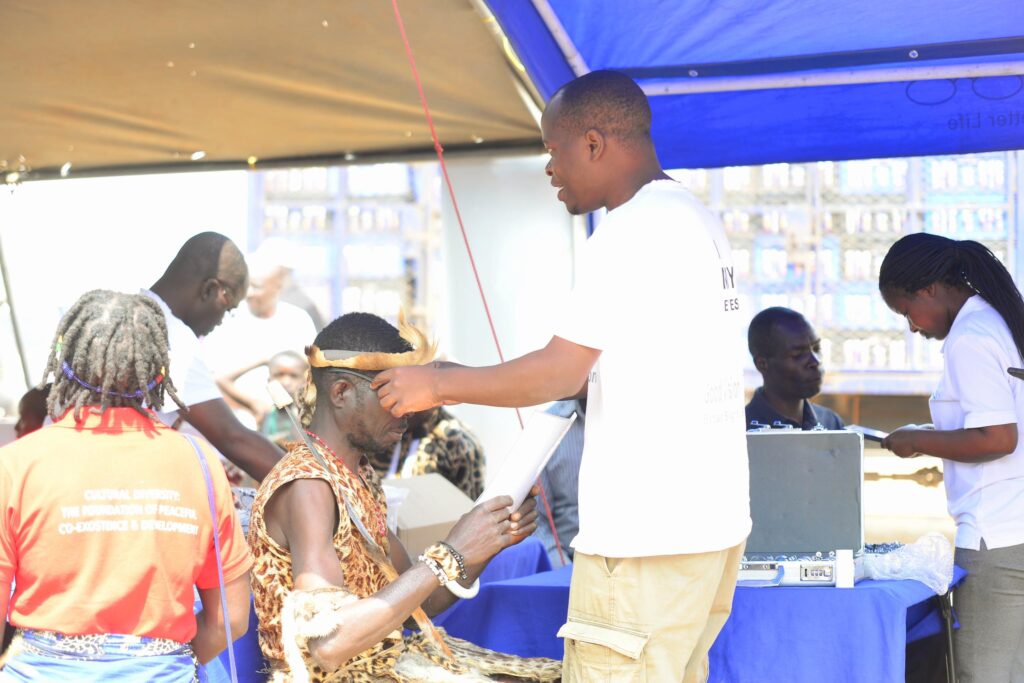
Zambia: Our Zambia team worked with partners to screen 20,087 people. Screenings were held at 20 schools, reaching 12,728 students. Of these, 886 students received prescription eyeglasses. In all, 79 people were booked for cataract surgeries.
We also advocated for eye health through meetings with the Parliamentary Sub-Committee on Health and hosted a radio call-in show to educate the public about eye health care and where they can seek help.
Canada: In Canada, we focused on advocacy for integrating eye health into universal health care. Events included a webinar, lighting events at the Calgary Tower, the Esplanade Riel Bridge in Winnipeg, Market Square in Guelph and the CN Tower in Toronto as well as news stories.

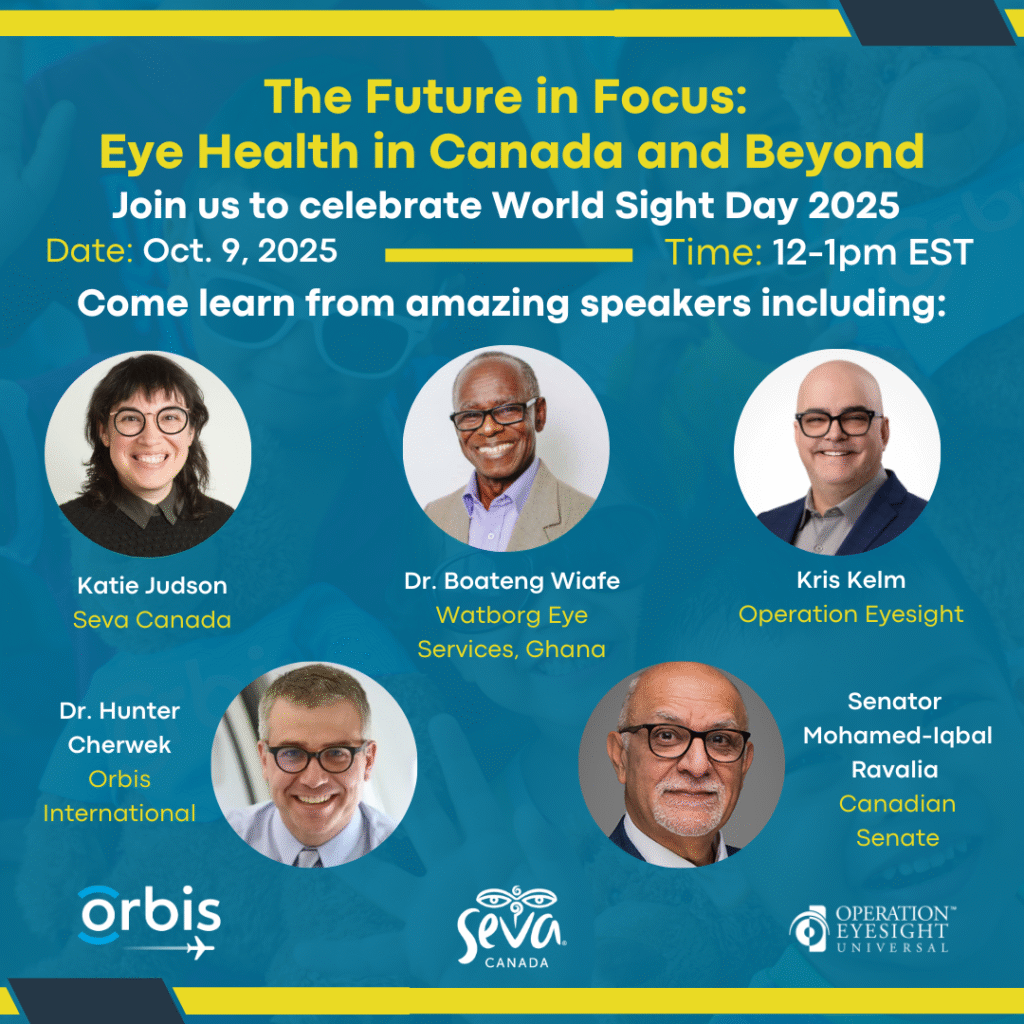
Kris Kelm, Global Director – International Programs and Chair of the Canadian Eye Health Coalition, featured in a dynamic webinar titled “The Future in Focus: Eye Health in Canada and Beyond”, with experts discussing the urgent need to prioritize and strategize for the growing demands of eye care across the life cycle. Speakers and topics included:
The importance of eye health care in Canada was highlighted in TV and radio news stories in Calgary and Ontario, in English and in French.
Bangladesh: Our partners in Bangladesh screened a total of 1,719 people, including 1,627 children, through screenings at 11 schools. Overall, 143 students and 40 community members received free prescription eyeglasses.
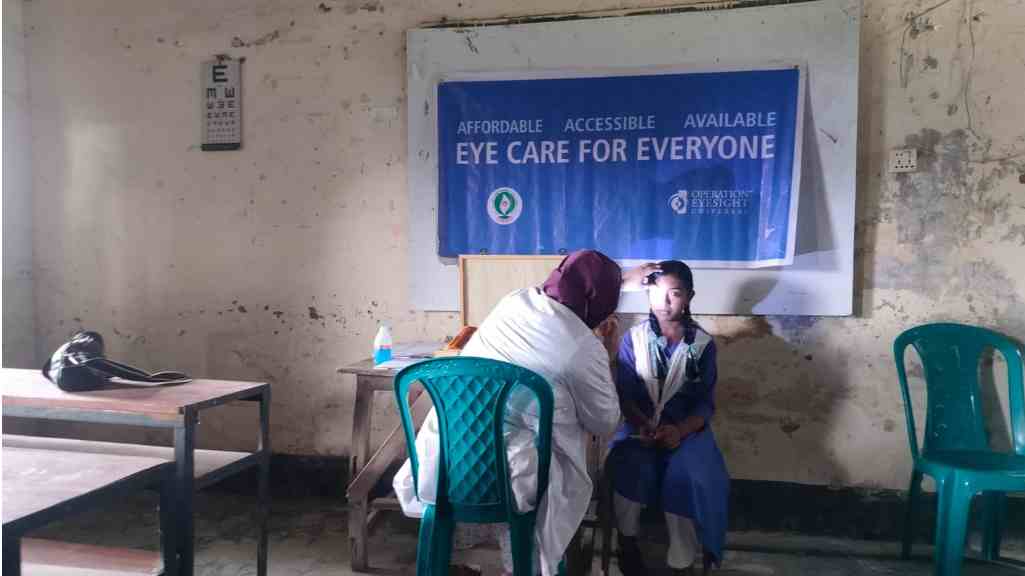
India: Our team and partners in India screened 17,715 people, including 12,709 children. Screenings were held across 39 schools with 519 students receiving free prescription eyeglasses.
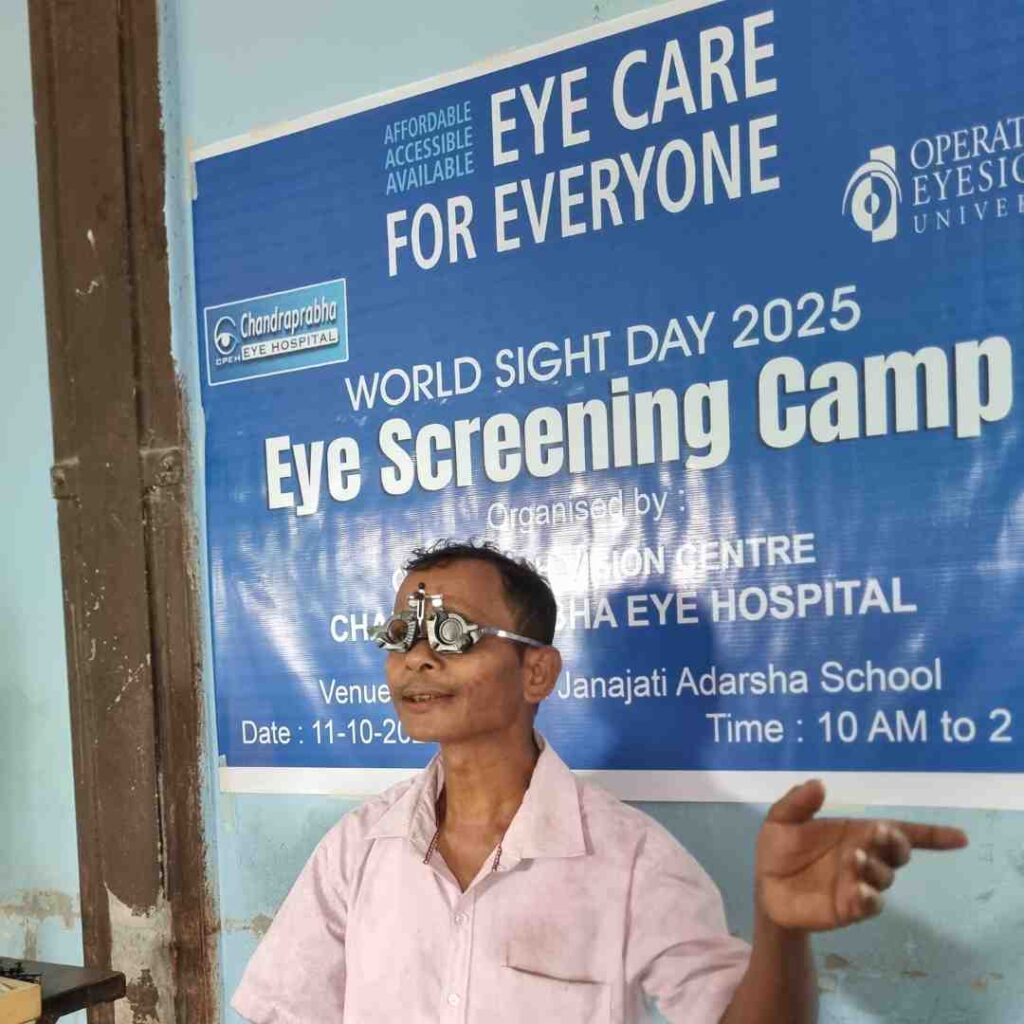
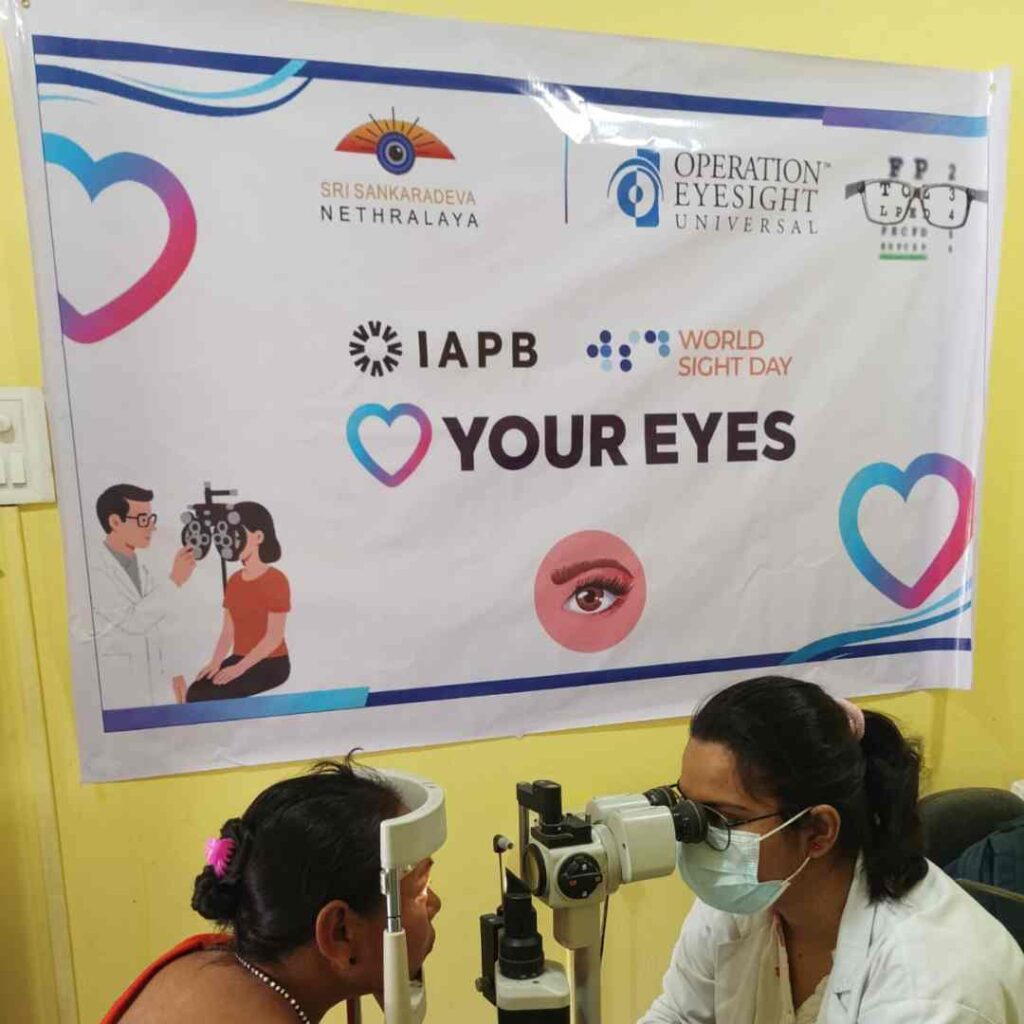
Nepal: In Nepal, our partners screened 710 people, including 440 children. One school screening took place, and 95 students received free prescription eyeglasses.
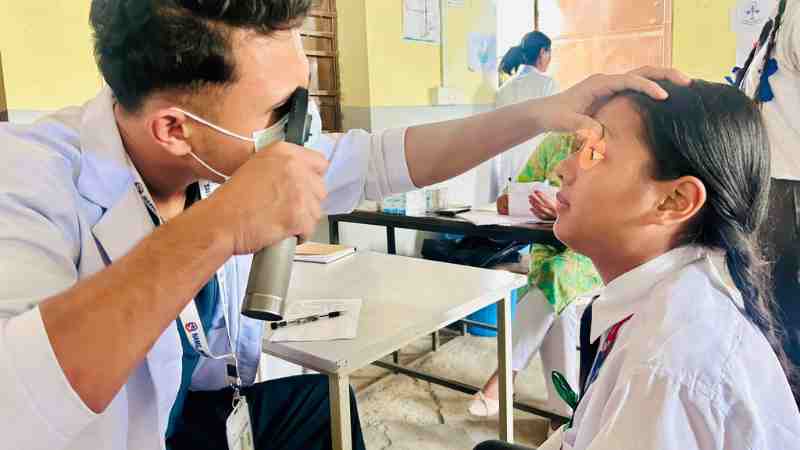
While World Sight Day is a time to focus the world’s attention on the importance of eye health care, every day is World Sight Day at Operation Eyesight. Our teams are always on the ground in 10 countries work daily alongside communities, governments, hospitals and like-minded organizations to bring quality eye health care to all – regardless of ability to pay, gender, age or where people live.
We have seen how addressing avoidable vision loss transforms lives – by improving access to education, employment, independence and opportunity – For All The World To See!
Thank you for your support, on World Sight Day and every day!
On October 9, we celebrated World Sight Day with events across the globe.
In Canada, our colours lit up the skylines in Calgary, Winnipeg, Guelph and Toronto to raise awareness about eye health and the passing of the National Strategy for Eye Care Act, which will help make vision care a national priority.

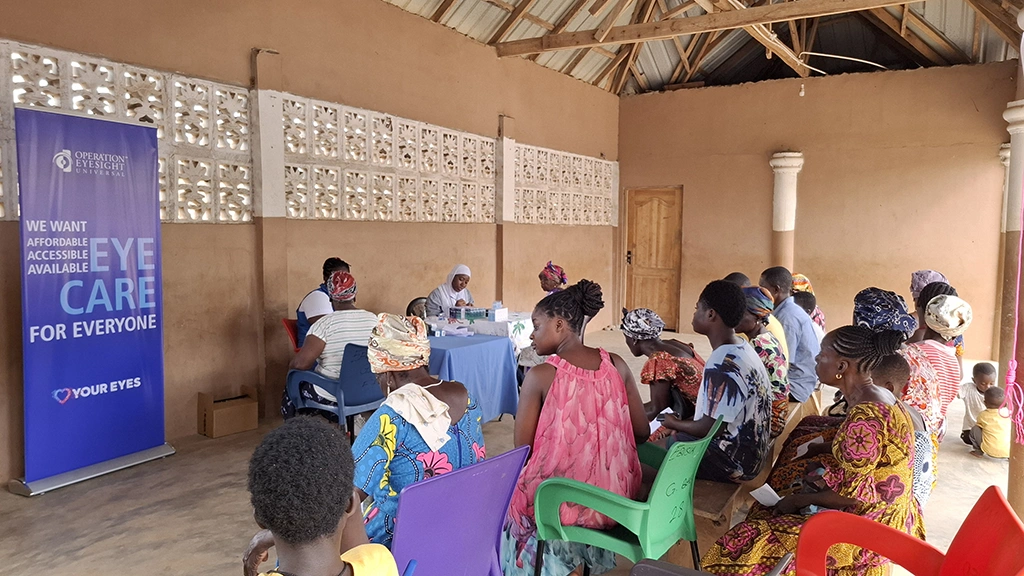
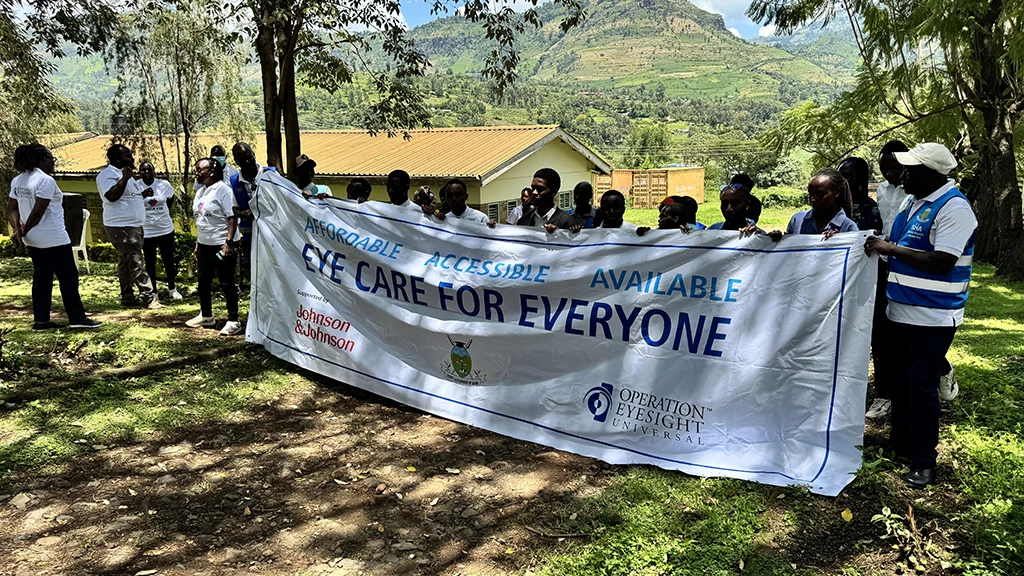
In Ghana, our team participated in a media launch with Ghana Health Service, along with regional awareness activities, while in Kenya, the day was marked with an awareness march, the opening of a new eye clinic and various screening camps.
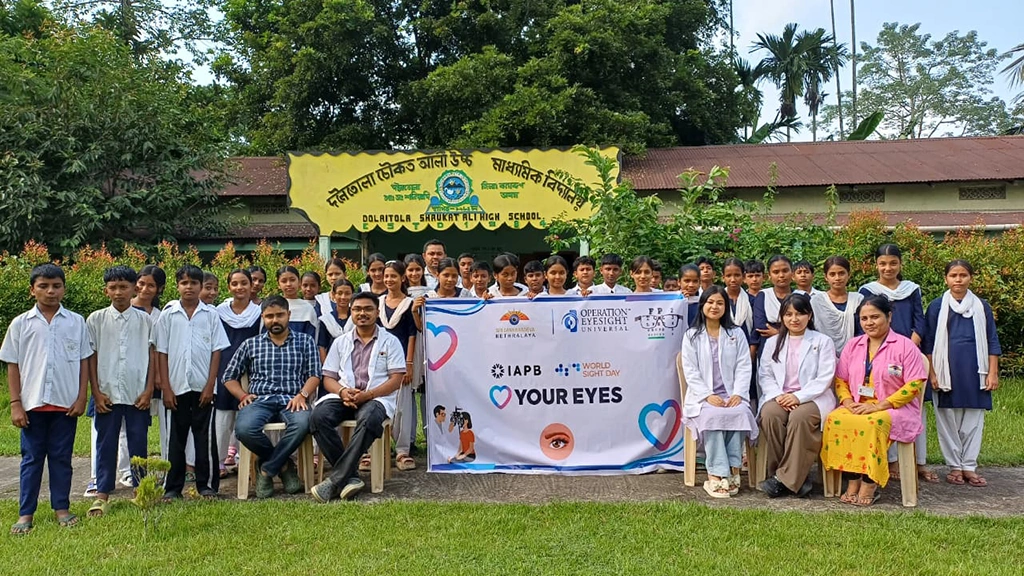
Throughout Bangladesh, India and Nepal we organized more than 20 screening and surgical outreach camps, and in Zambia we launched a new radio series about eye health and organized various school eye health screenings.
Each initiative brings us closer to a future where eye health is accessible to all. These events are more than moments; they’re movements towards lasting change in global eye health.
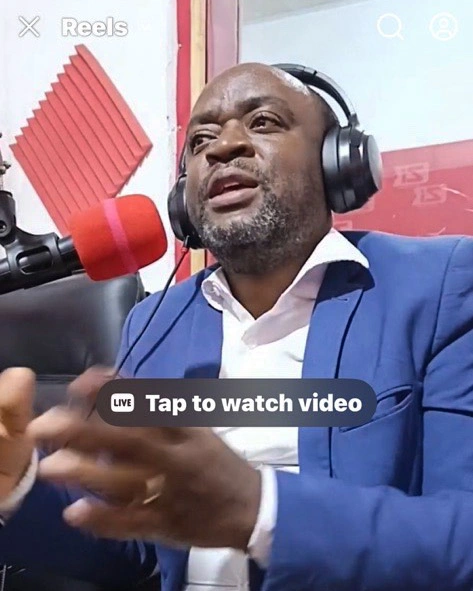
Dr. Chisanga Chelu, an ophthalmologist from Kabwe General Hospital in Zambia, discusses eye health in an hour-long program we are running on a local radio station in Kapiri Mposhi, Central Province. It was the first of a 13-week series in which listeners can learn more about eye health and call in with their questions. In areas where access to smartphones is limited, radio is an effective channel for sharing important eye health messages and encouraging people to seek care.